
Complete Guide on PP: Types, Uses, Manufacturing, Market, Recycling & More
1. What is PP? | Full Form and Definition
PP is a thermoplastic polymer produced from the monomer propylene. It is known for its toughness, chemical resistance, and versatility, making it one of the most widely used plastics globally.
Highlights:
-
Excellent chemical and fatigue resistance
-
Lightweight and durable
-
Recyclable and cost-effective
2. PP Categories, Types, and Grades
Categories:
-
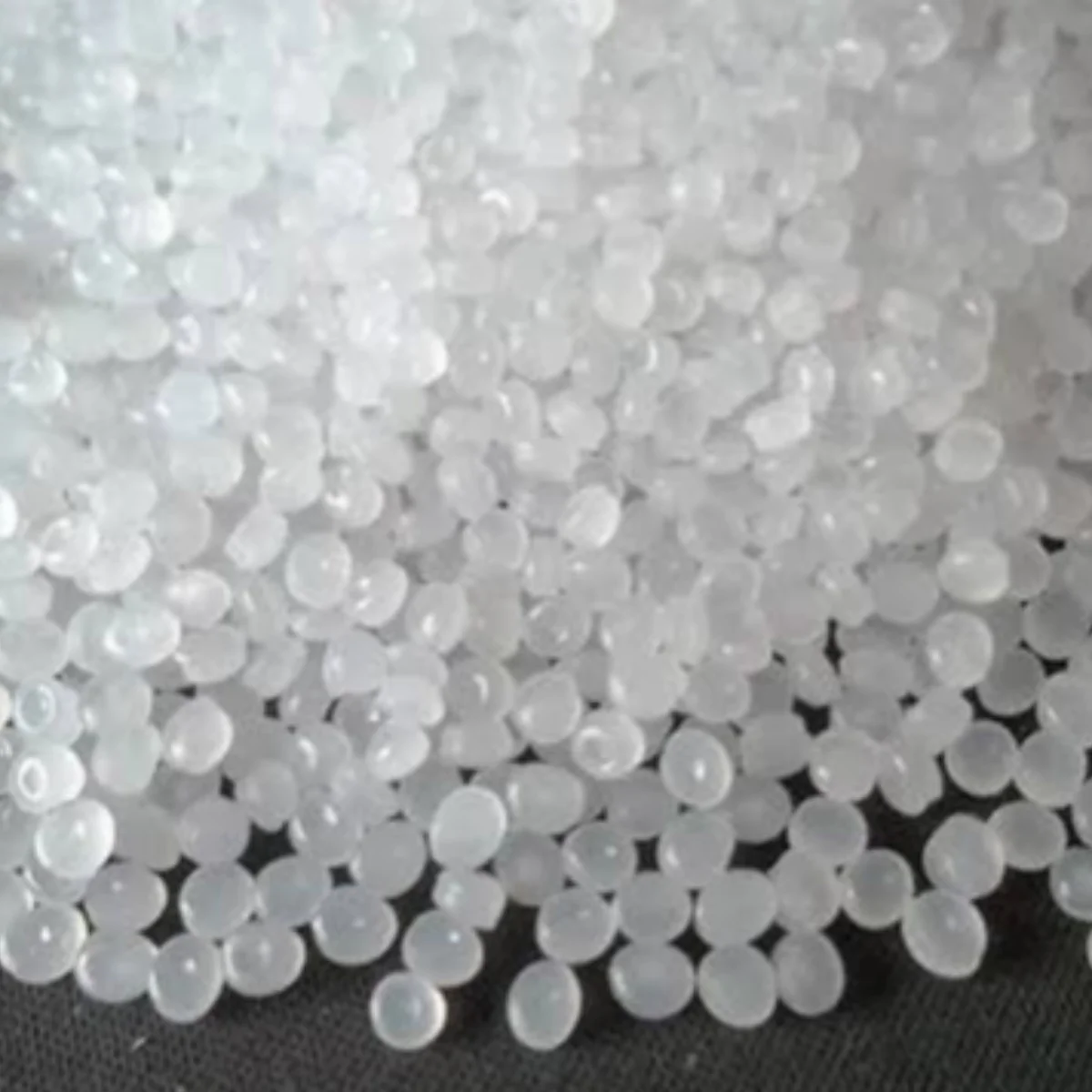
Virgin PP: Pure form, used for critical applications like food-grade packaging and medical devices.
-
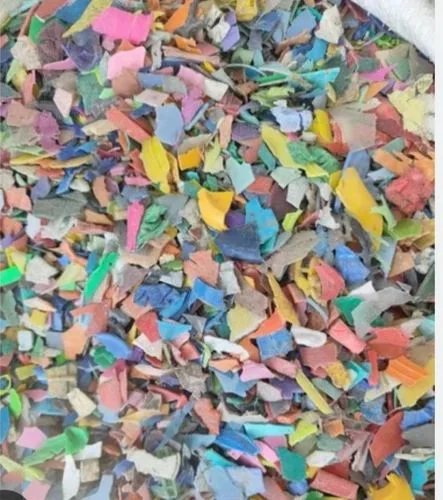
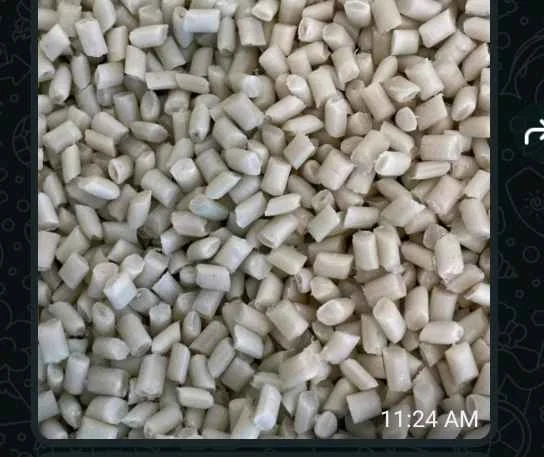
Recycled PP (rPP): Made from post-consumer and industrial waste; used for less critical applications like automotive parts, containers.
Types of PP:
-
Homopolymer PP: Offers high strength and stiffness; used in textiles and packaging.
-
Copolymer PP: Enhanced impact resistance; used in automotive parts, industrial applications.
Grades:
-
Injection Molding Grade
-
Film Grade
-
Fiber Grade
-
Extrusion Grade
3. PP Uses, Applications, and Products
PP is highly versatile and used in:
-
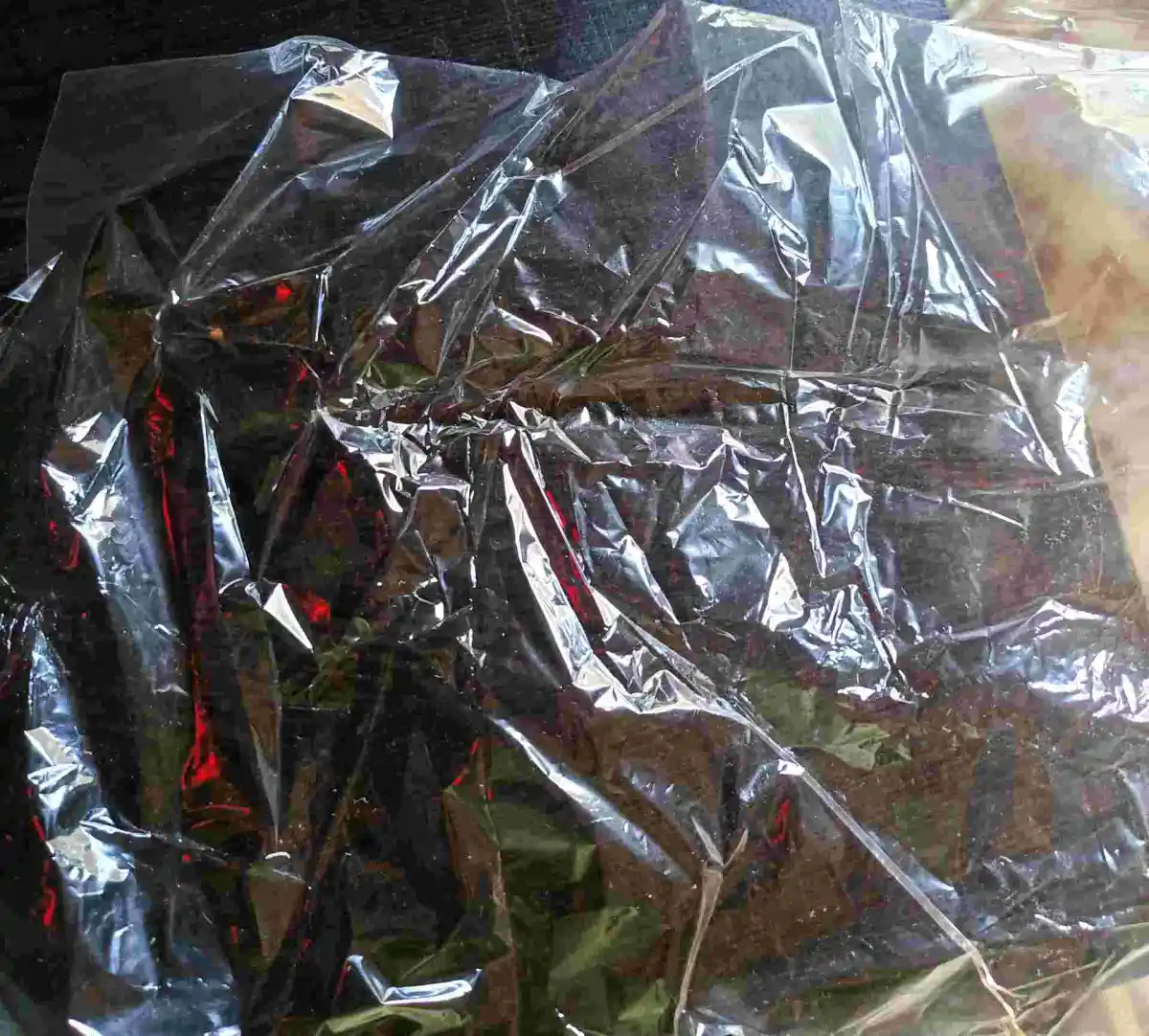
Packaging: Food containers, bottle caps, films
-
Automotive: Bumpers, dashboards, battery cases
-
Textiles: Carpets, upholstery, non-woven fabrics
-
Medical: Syringes, pill bottles, medical trays
-
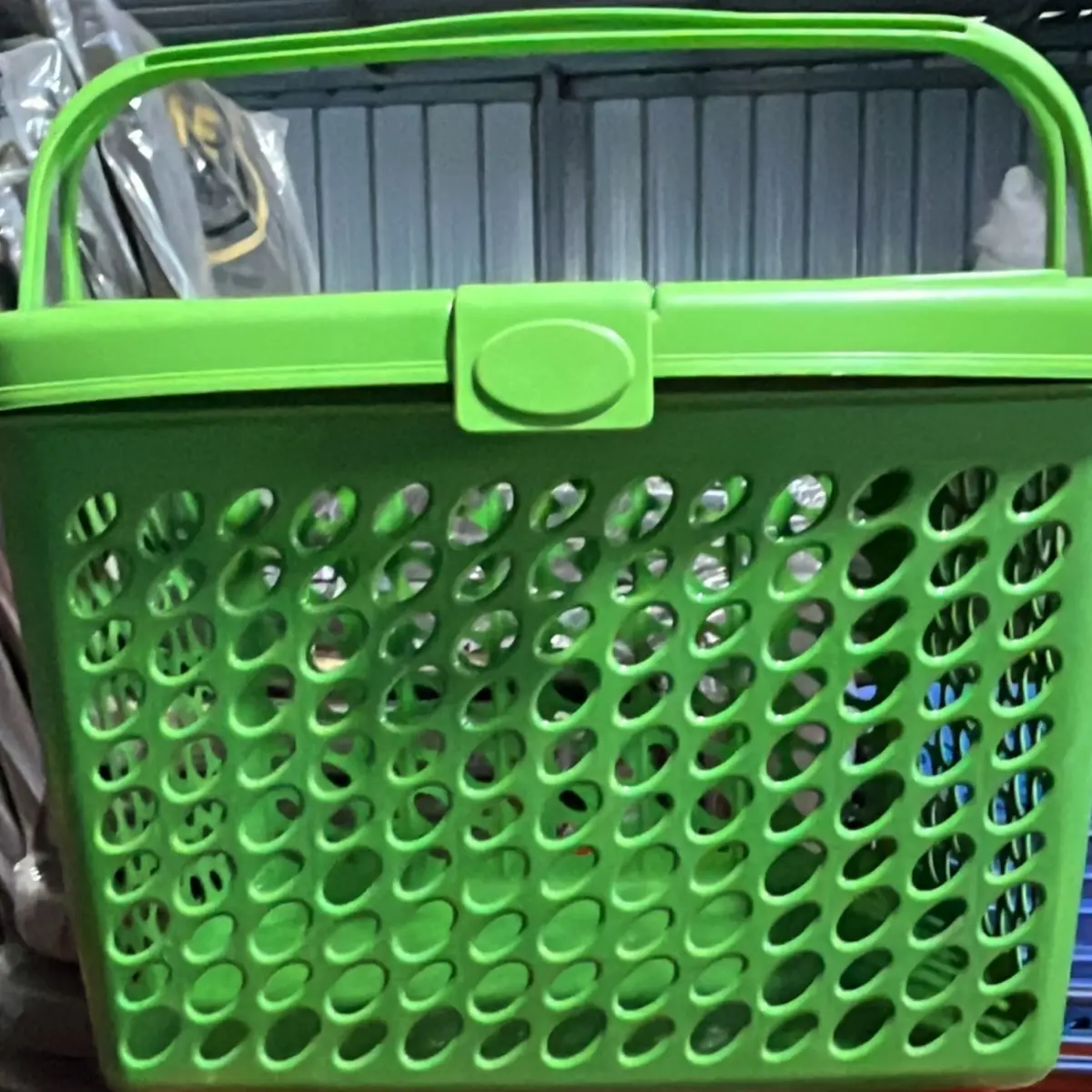
Consumer Goods: Toys, storage boxes, appliances
4. How PP is Manufactured | Processing Steps
PP Production Process:
Polymerization of Propylene: Using catalysts like Ziegler-Natta or metallocene
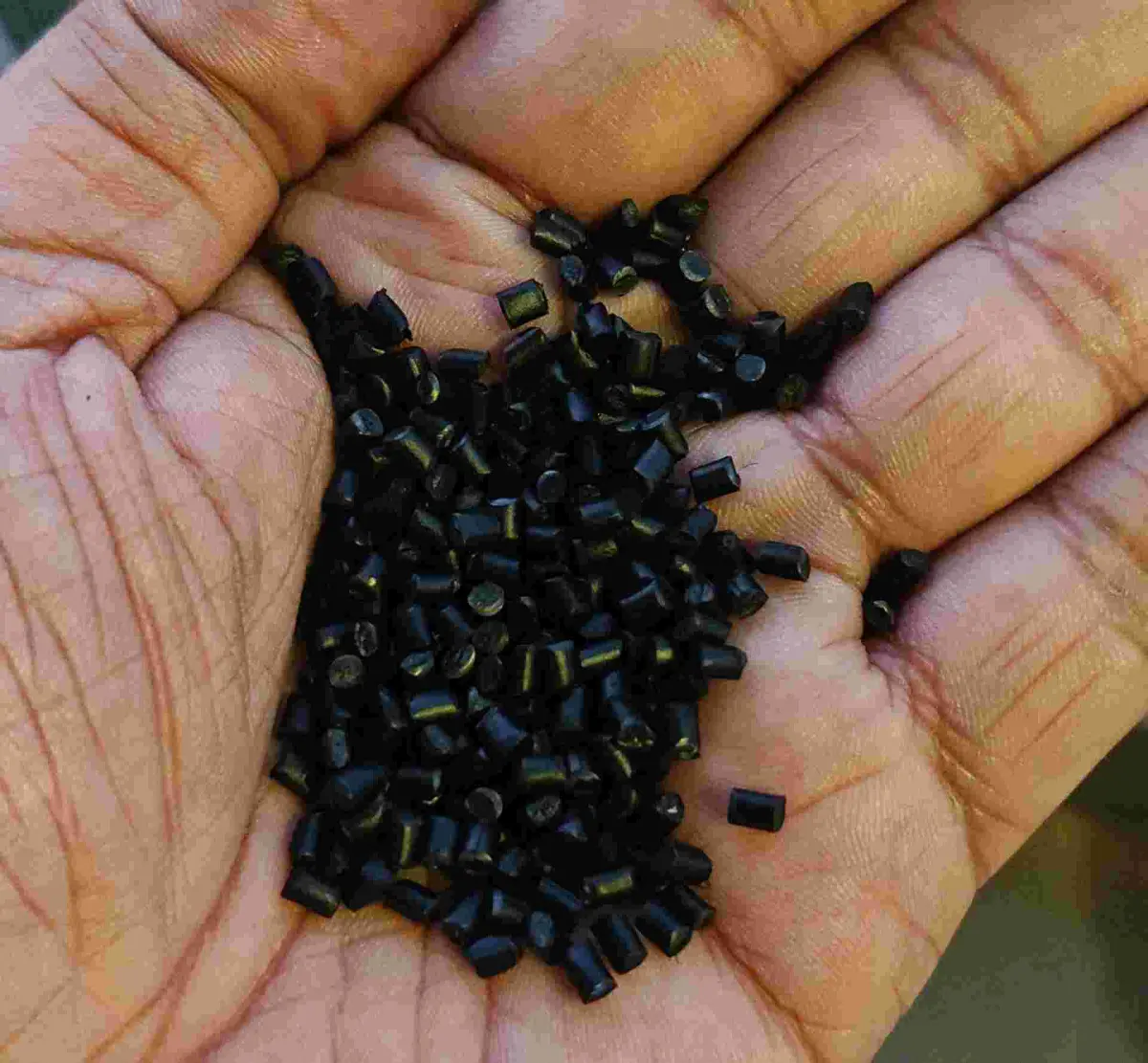
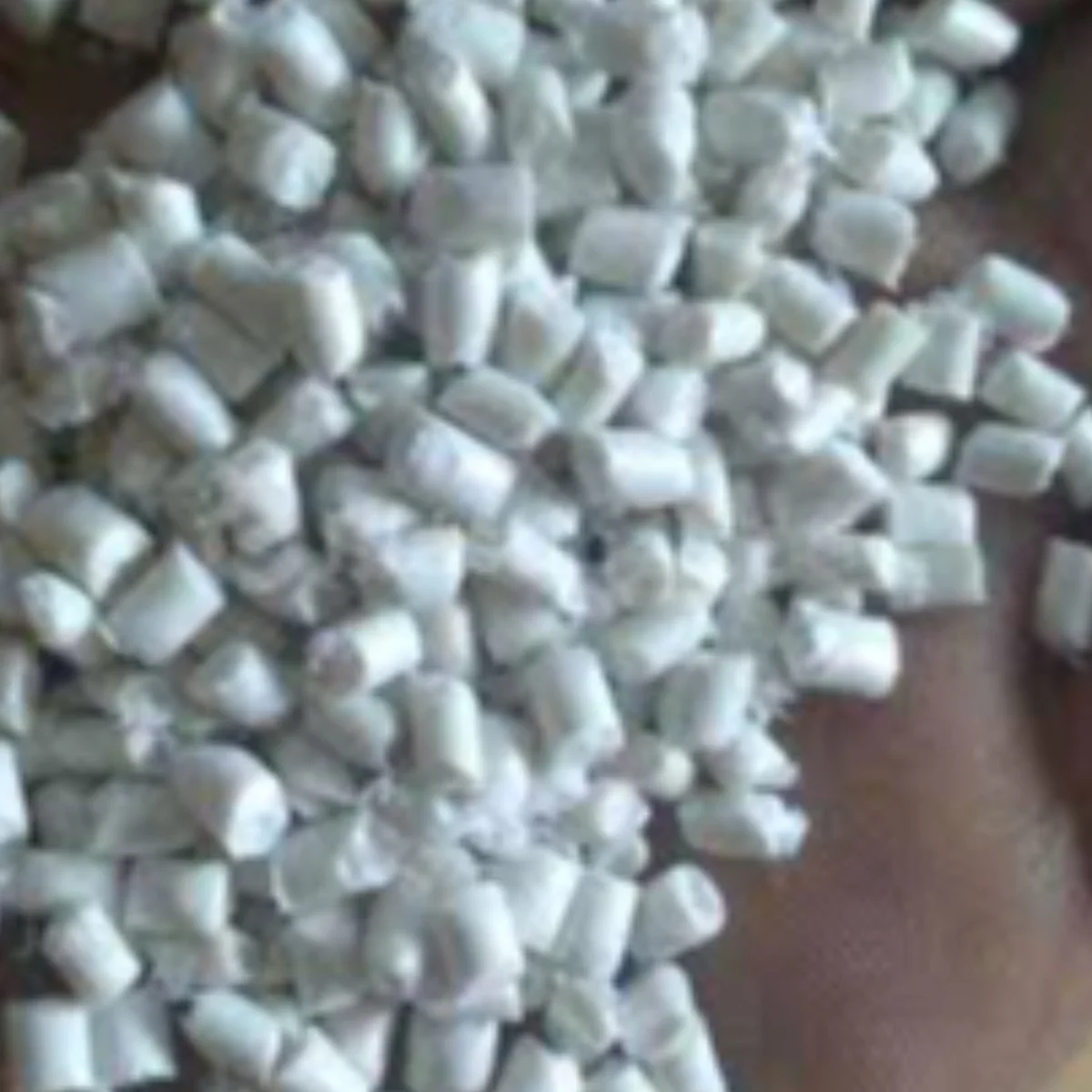
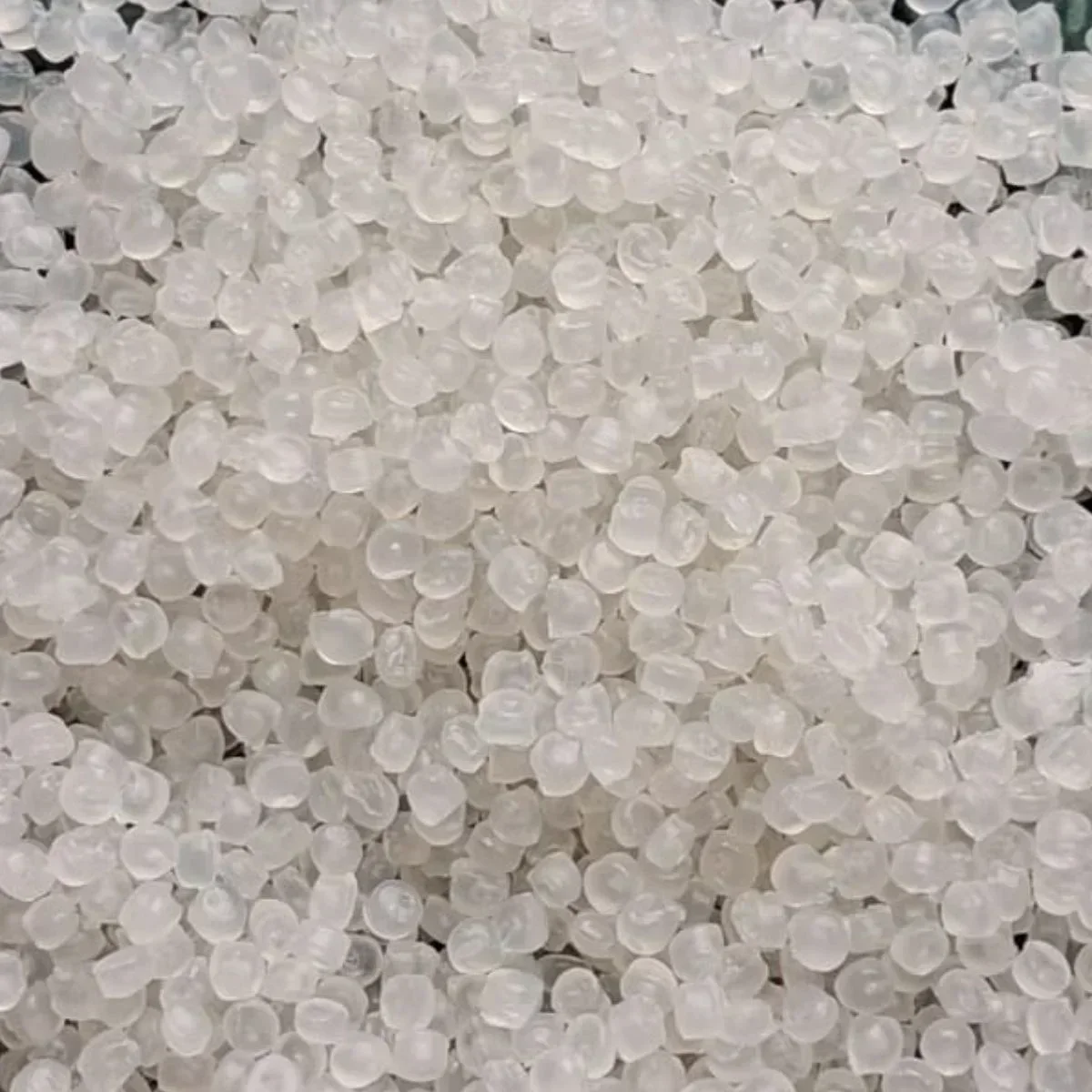
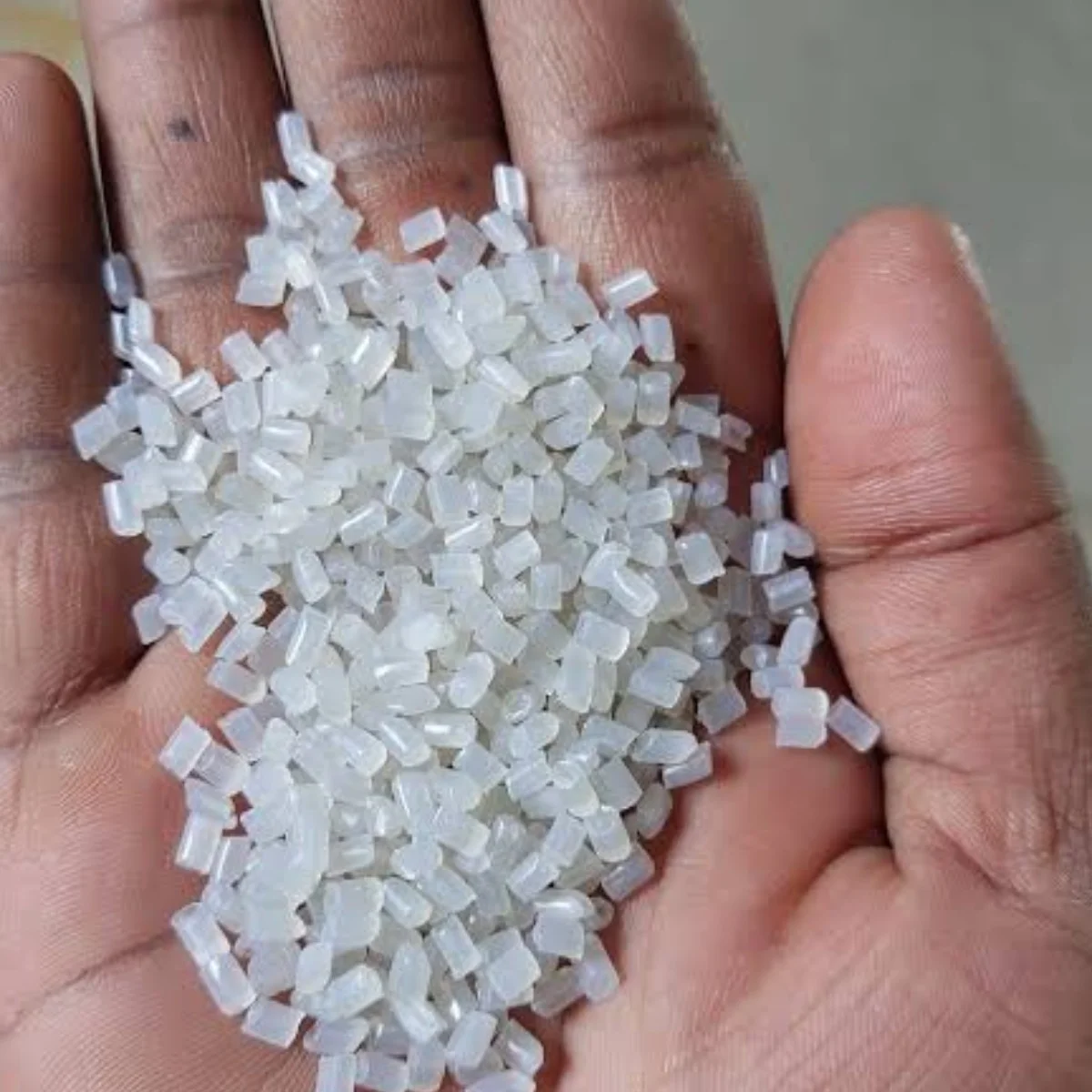
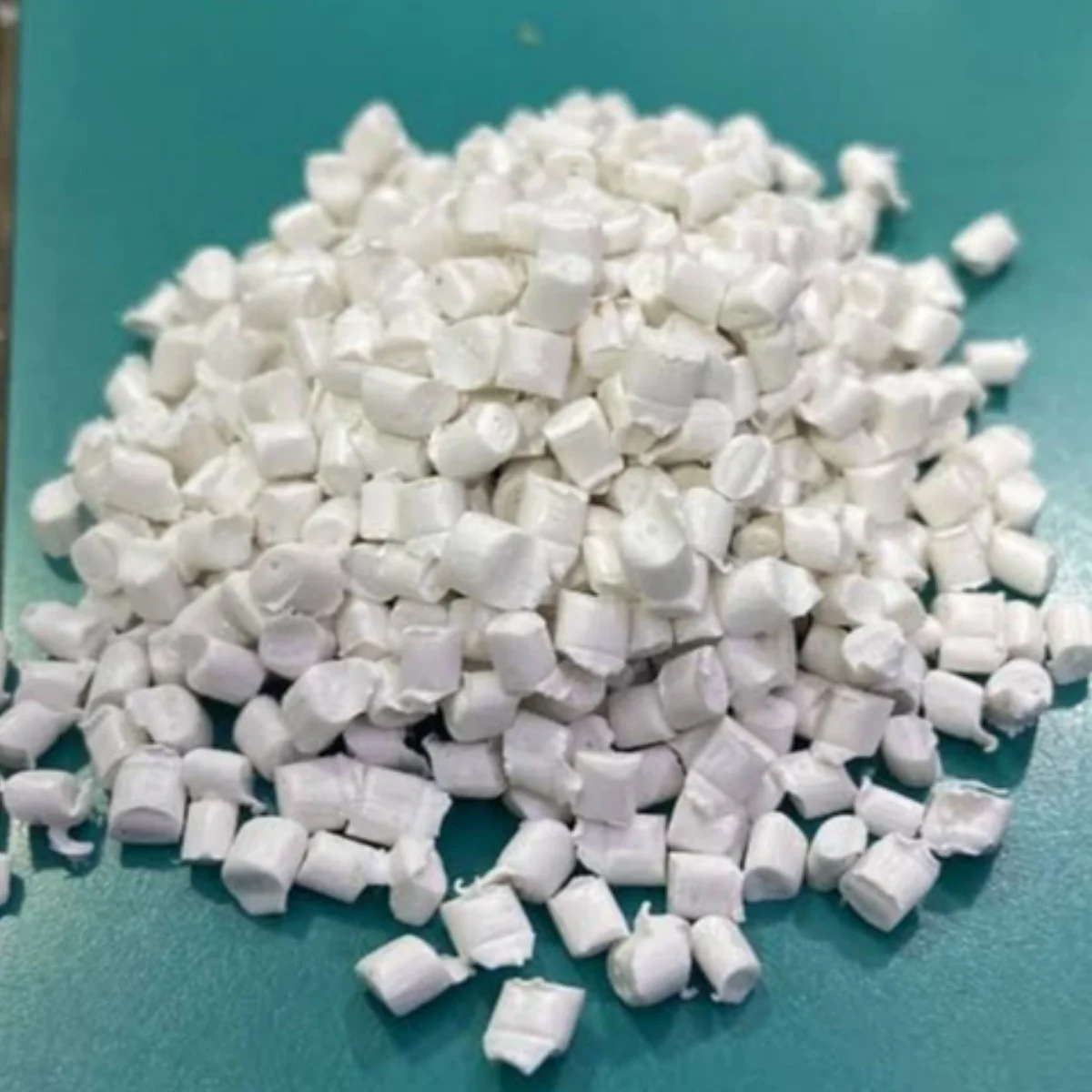
Pelletization: The polymer is cooled and cut into pellets
Product Manufacturing:
-
Injection Molding: For containers, caps
-
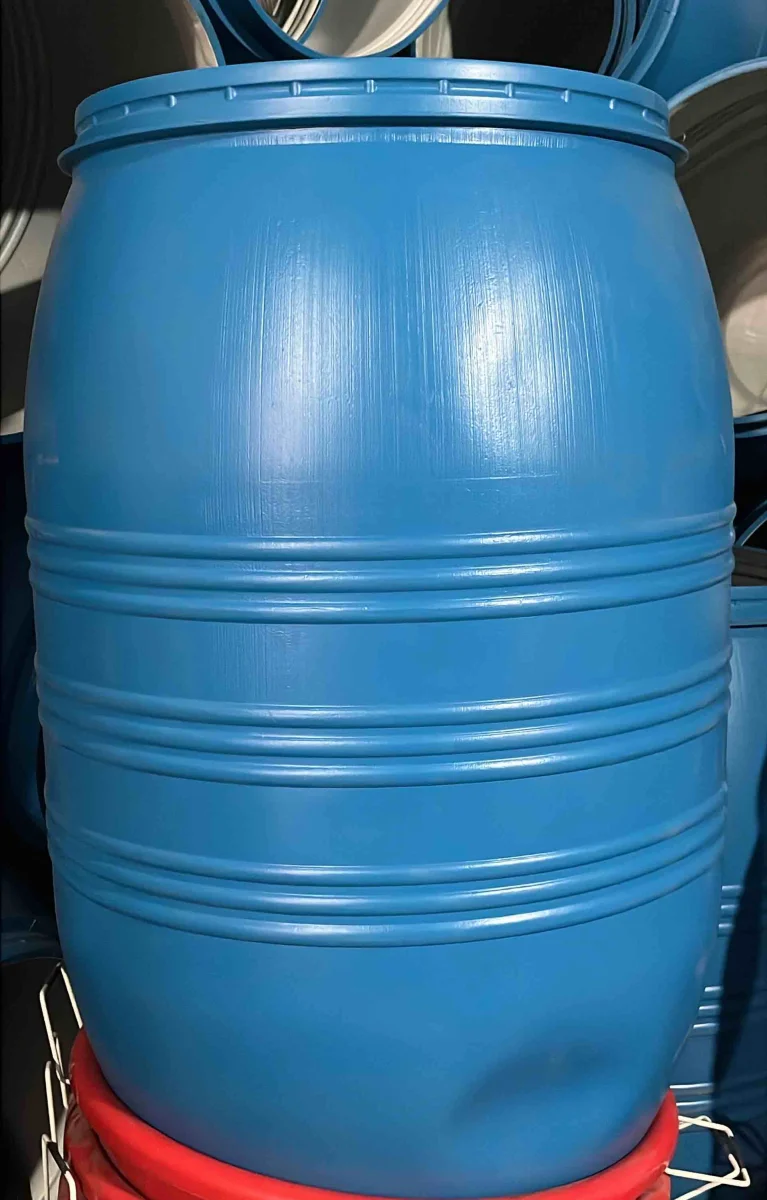
Blow Molding: For bottles, drums
-
Extrusion: For films, sheets
-
Fiber Spinning: For textiles, non-woven fabrics
5. List of Finished Products Made from PP
| Product | Application |
|---|---|
| PP Films | Packaging, labeling |
| PP Fibers | Carpets, ropes, textiles |
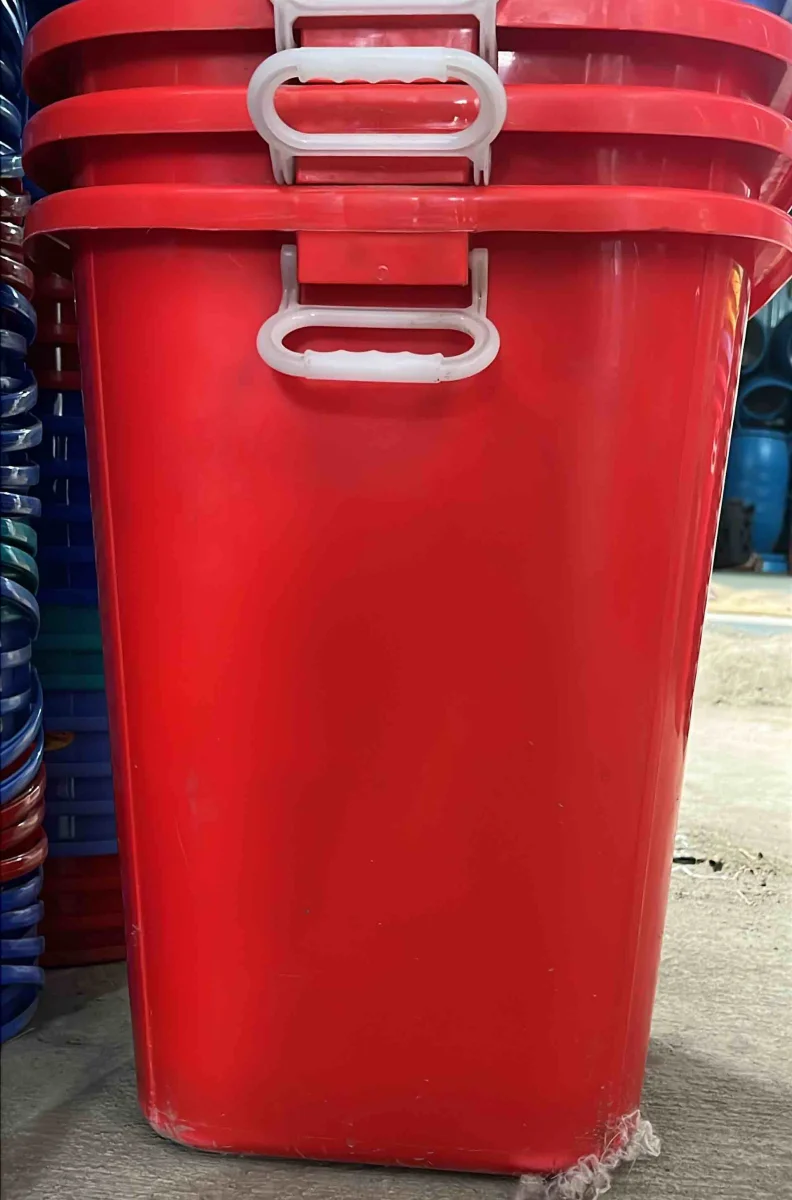
| PP Containers | Food storage, household items |
| PP Automotive Parts | Bumpers, dashboards |
| PP Medical Devices | Syringes, pill bottles |
| PP Pipes | Plumbing, irrigation systems |
6. PP Biodegradable Uses and Products
Standard PP is not biodegradable. However, with additives, biodegradable PP versions are being developed.
Biodegradable PP Applications:
-
Compostable packaging films
-
Agricultural mulch films
-
Disposable medical products
7. PP Recycling Information
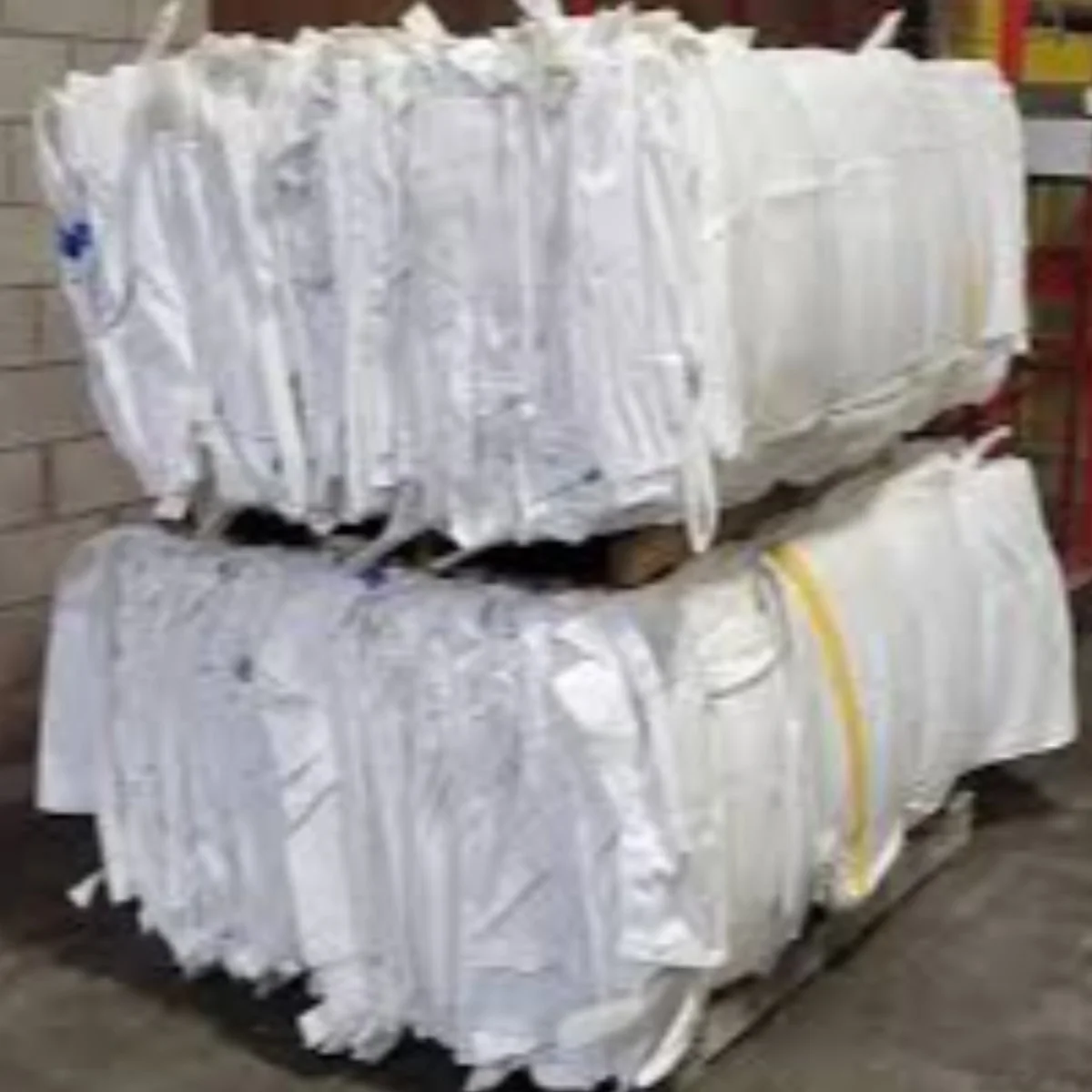
PP is recyclable and is one of the most recycled plastics worldwide.
Recycling Process:
-
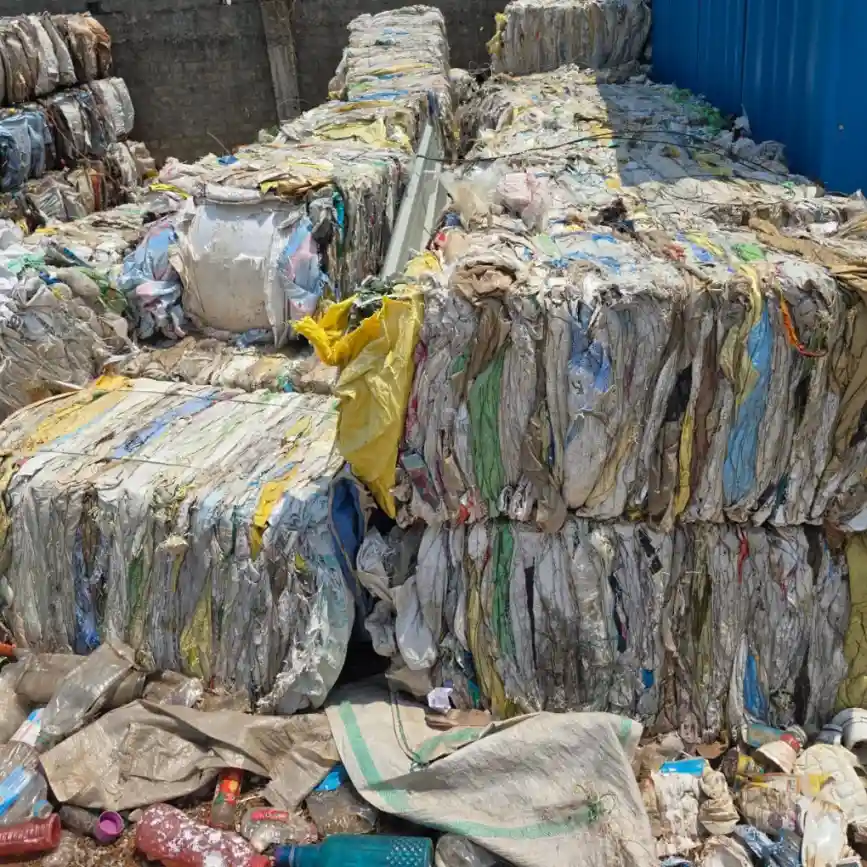
Collection
-
Sorting
-
Washing
-
Shredding
-
Melting
-
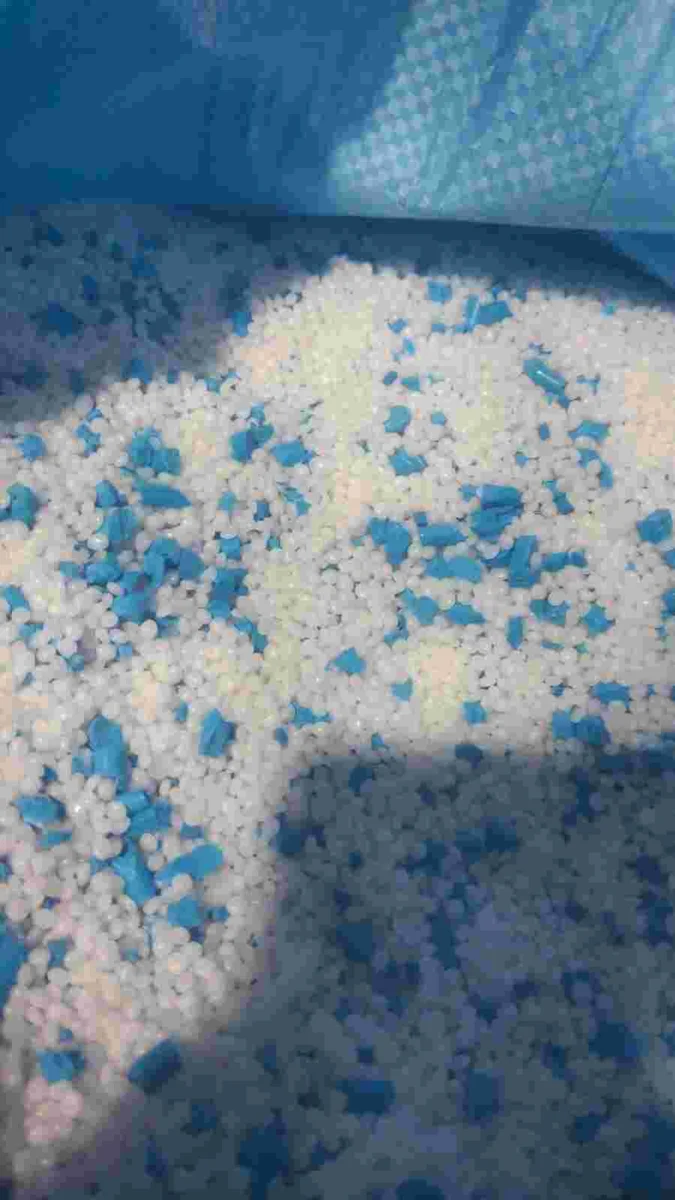
Reforming into recycled PP pellets
Recycled PP Products:
-
Automotive parts
-
Storage containers
-
Construction materials
Recycling Code: ♷ (Number 5 Plastic)
8. Find PP Buyers, Suppliers, Manufacturers, Exporters, Importers
Best Platforms to Find PP Suppliers and Buyers:
-
Plastic4trade
-
Alibaba
-
IndiaMART
-
TradeIndia
Other Methods:
-
PlastIndia, K-Fair, Chinaplas Exhibitions
-
LinkedIn Networking
-
Local Industrial Directories
9. PP Raw Material Manufacturers (India and Overseas)
Major PP Raw Material Manufacturers - India:
-
Reliance Industries Limited
-
Haldia Petrochemicals
-
Indian Oil Corporation Limited (IOCL)
Major PP Raw Material Manufacturers - Overseas:
-
LyondellBasell (Netherlands)
-
SABIC (Saudi Arabia)
-
ExxonMobil (USA)
-
Borealis AG (Austria)
10. PP Market Analysis
Market Size: ~USD 88.24 Billion in 2024; projected to reach USD 134.12 Billion by 2032
Top Consuming Regions: Asia-Pacific (China, India), North America, Europe
Growth Drivers:
-
Rising demand for lightweight and durable materials
-
Expansion of the packaging and automotive industries
-
Increasing use in medical and consumer goods
Challenges:
-
Environmental concerns about plastic waste
-
Recycling infrastructure limitations
11. PP Properties and Technical Report
| Property | Typical Range |
|---|---|
| Density | 0.895 to 0.93 g/cm³ |
| Melt Flow Index (MFI) | 0.1 to 30 g/10 min |
| Tensile Strength | 30 to 40 MPa |
| Flexural Modulus | 1300 to 1800 MPa |
| Impact Strength | Moderate to High |
| Melting Temperature | 130°C - 171°C |
| Chemical Resistance | Excellent against acids and bases |
MFI (Melt Flow Index) helps determine the flowability of PP during molding operations.
12. Advantages and Disadvantages of PP | Pros and Cons
Advantages (Pros):
-
High chemical resistance
-
Lightweight and durable
-
Excellent fatigue resistance
-
Cost-effective and recyclable
-
Versatile across industries
Disadvantages (Cons):
-
Not naturally biodegradable
-
Susceptible to UV degradation without additives
-
Flammable under certain conditions
Conclusion
PP is a versatile and widely used plastic material, essential across various industries due to its strength, chemical resistance, and recyclability. With ongoing innovations in biodegradable PP and recycling technologies, its role in sustainable applications continues to grow.
[PP supplier, PP buyers, Buy PP online, PP manufacturers, PP exporter, PP for packaging, Recycled PP, PP granules suppliers, PP scrap buyers, Virgin PP price, PP pipes manufacturers, PP raw material, Plastic PP manufacturer, PP resin suppliers, PP plastic sheets for sale, Industrial PP uses, PP recycling, PP density, PP MFI report]