
All About Acrylic (PMMA – Polymethyl Methacrylate)
1. What’s Acrylic Plastic?
Acrylic is a clear, strong plastic that looks a lot like glass but doesn’t weigh as much and can take a hit better. The technical name—PMMA—stands for Polymethyl Methacrylate. You see this stuff everywhere: store signs, furniture, car lights, even some medical gear. People love it because it’s durable, shiny, and shrugs off sun and weather without losing its looks.
Fast facts:
- Super clear, lets in plenty of light
- Way lighter than glass
- Stays clear—doesn’t turn yellow in the sun
- Easy to cut, shape, or polish
- Always glossy
- Works indoors or out
2. Categories, Types, and Grades
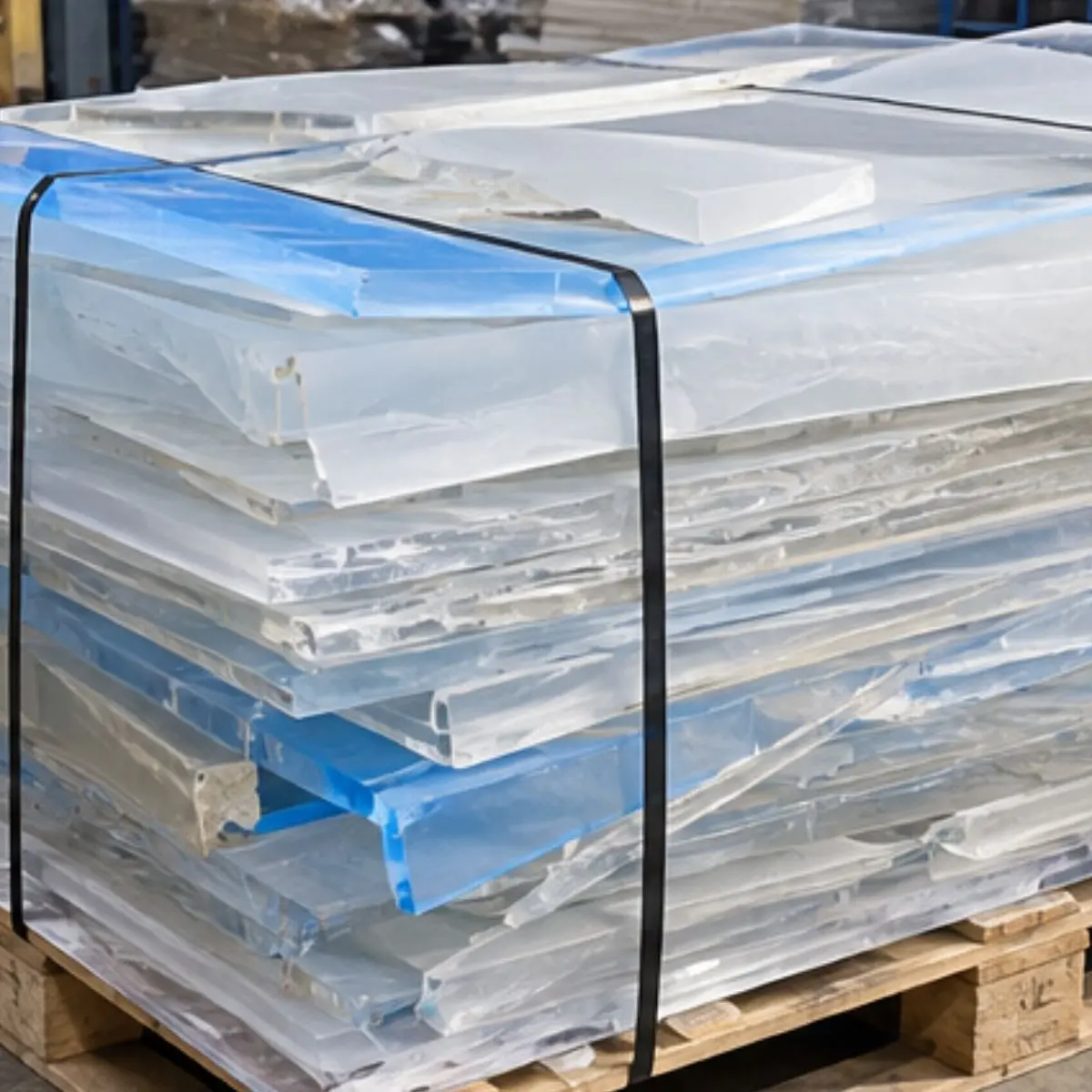
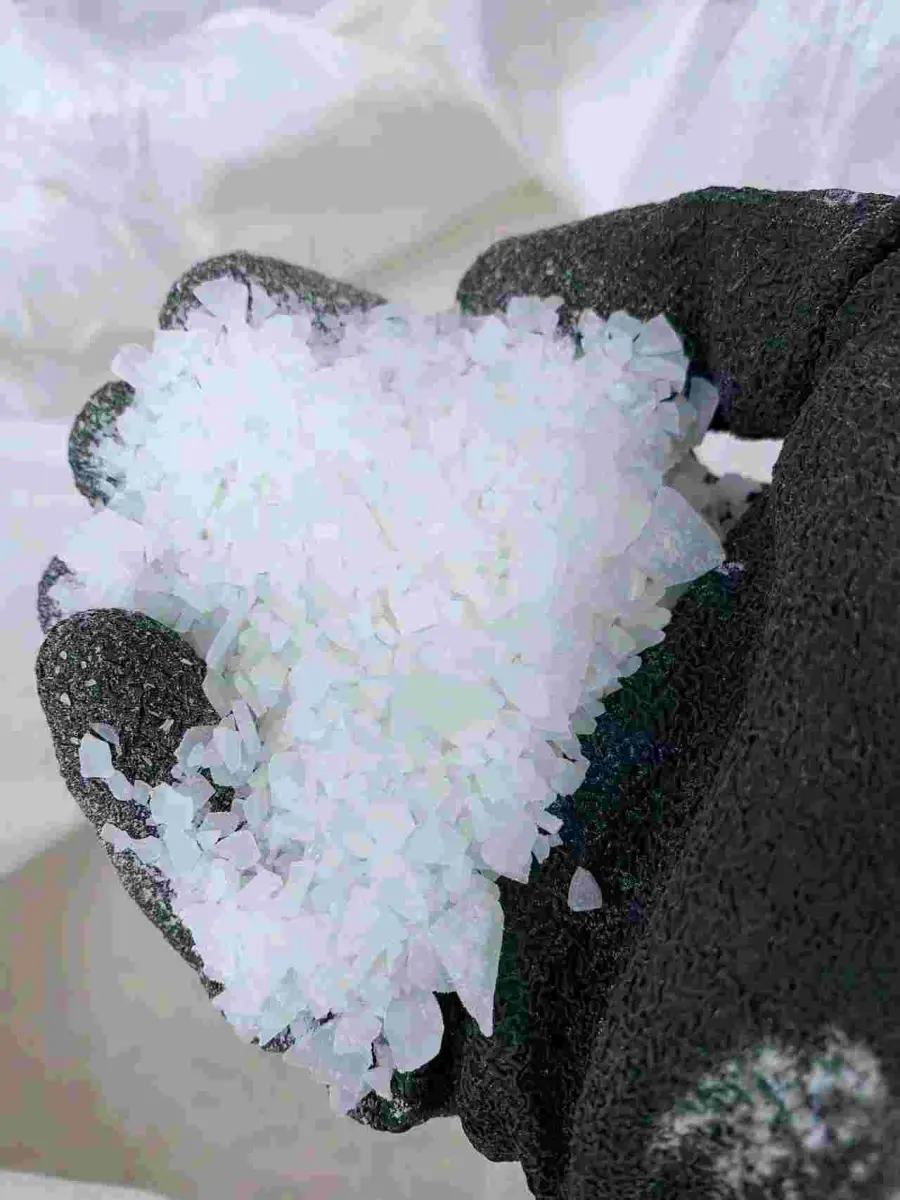
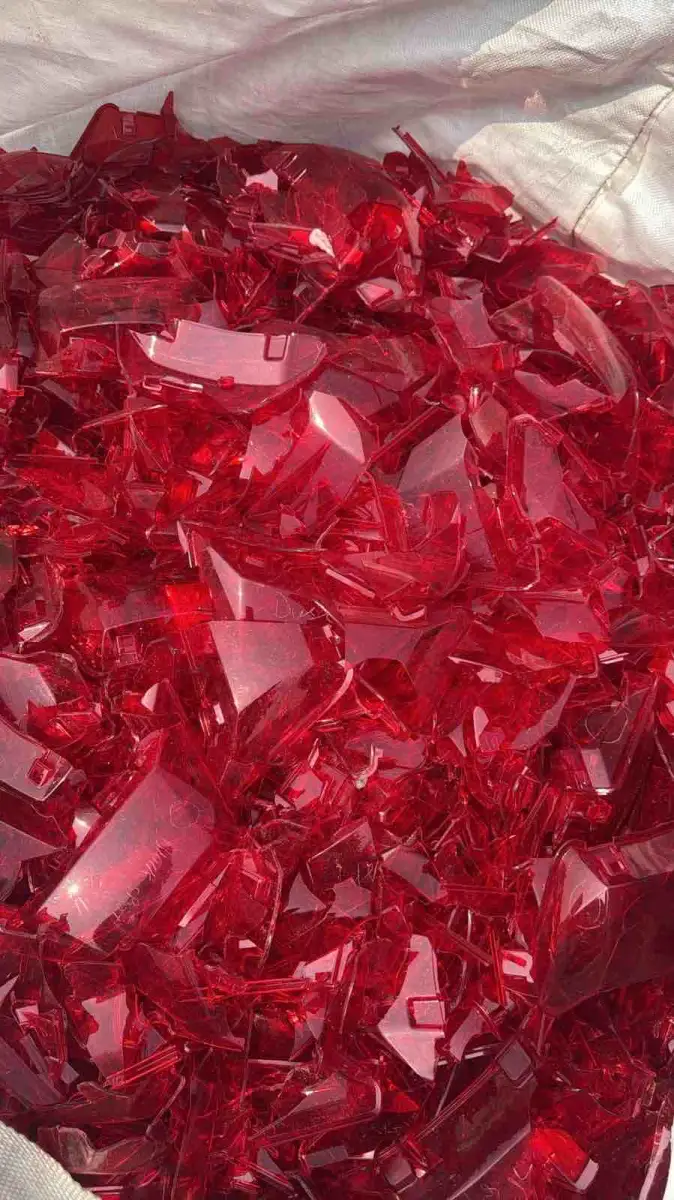
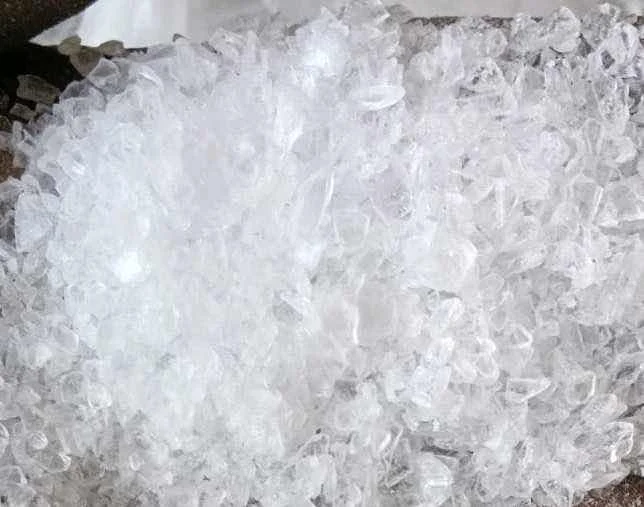
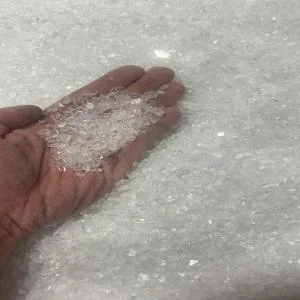
You’ve mainly got two kinds: “virgin” acrylic (made from brand-new material, often for special uses) and recycled acrylic (made from used stuff, good for displays or less demanding jobs).
The most common types:
- Cast acrylic: The clearest, nicest finish
- Extruded acrylic: Cheaper and easy to produce in bulk
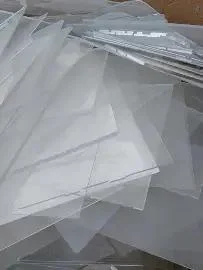
- Transparent: The basic clear sheets or panels
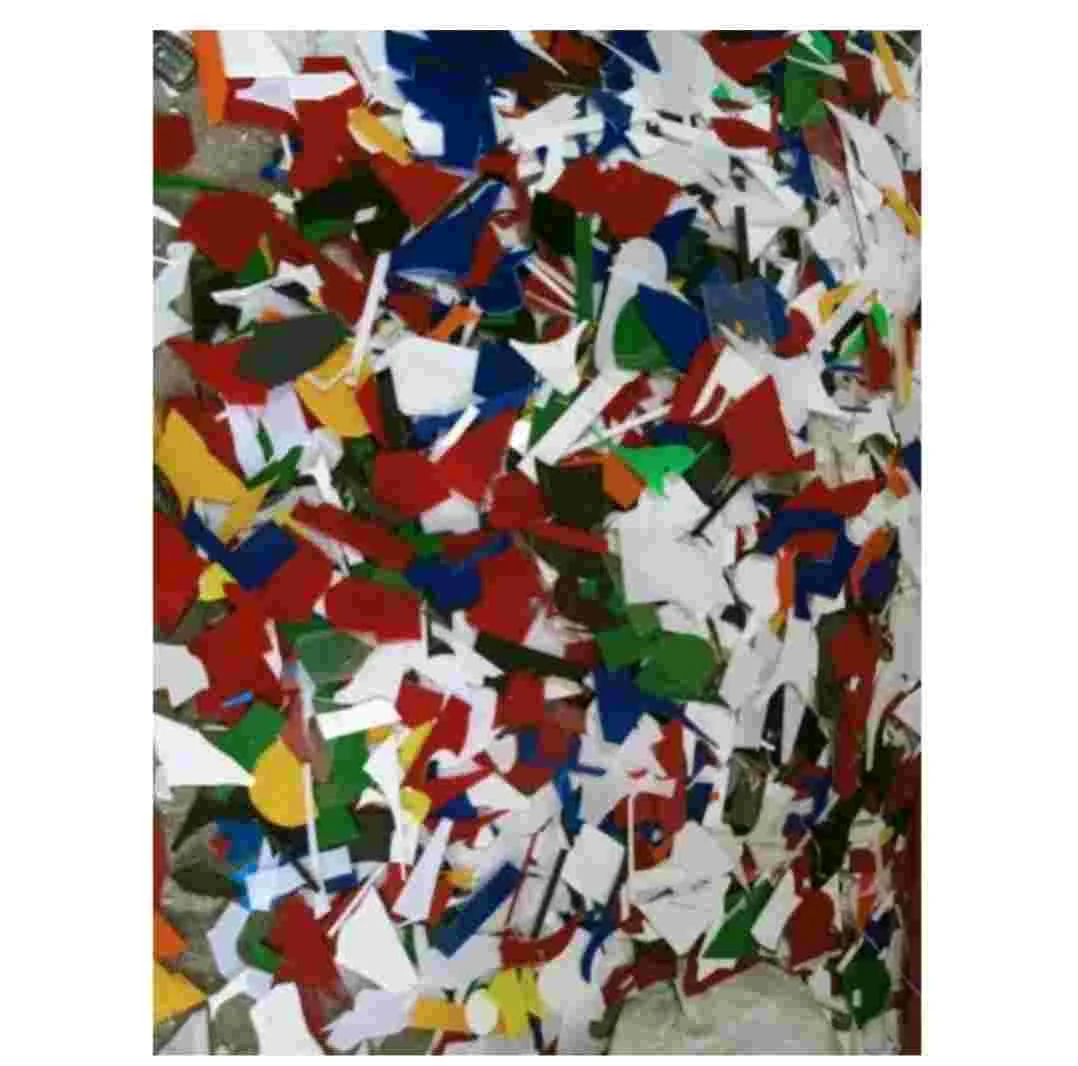
- Colored: For signs, decorations, or anywhere you want to add some color
- Impact-modified: Tougher than regular, built to last
- UV-resistant: Made to handle the outdoors
Grades just tell you what the acrylic’s made for—optical grade for lenses, medical grade for health products, impact-resistant for safety stuff.
3. Everyday Uses for Acrylic
Honestly, almost everywhere you look: shop windows, bright-lit displays, building windows, room dividers, car lights, tables, medical equipment, showcases, aquariums, photo frames…the list goes on.
How Do They Make Acrylic?
The process is pretty straightforward:
- Start with base chemicals called MMA monomers, which turn into acrylic resin.
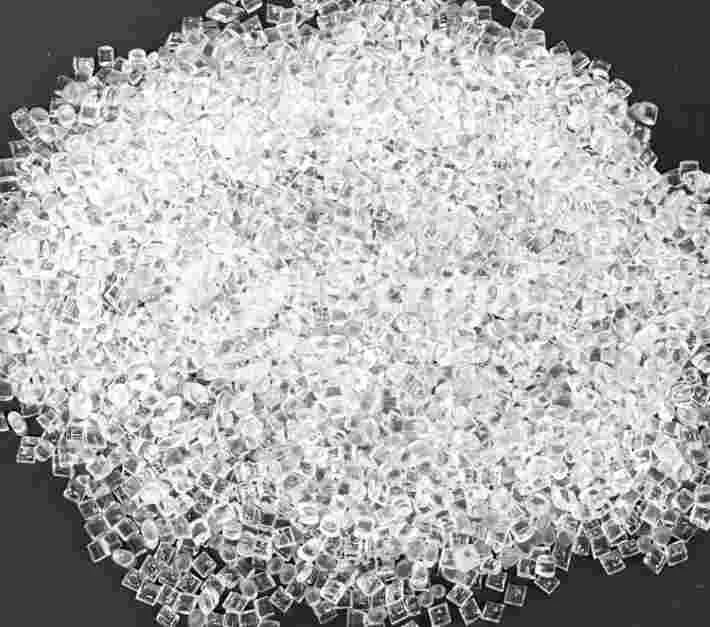
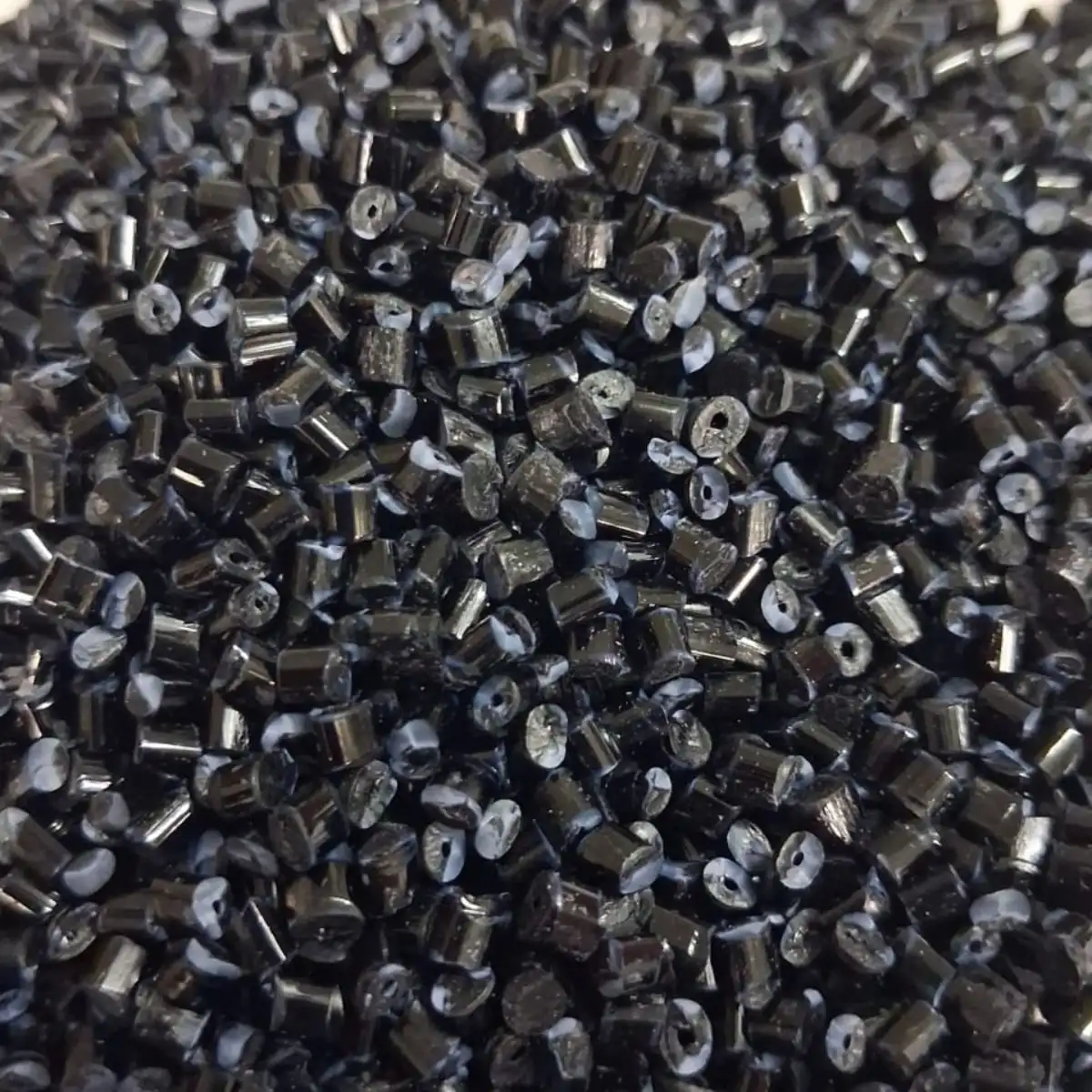
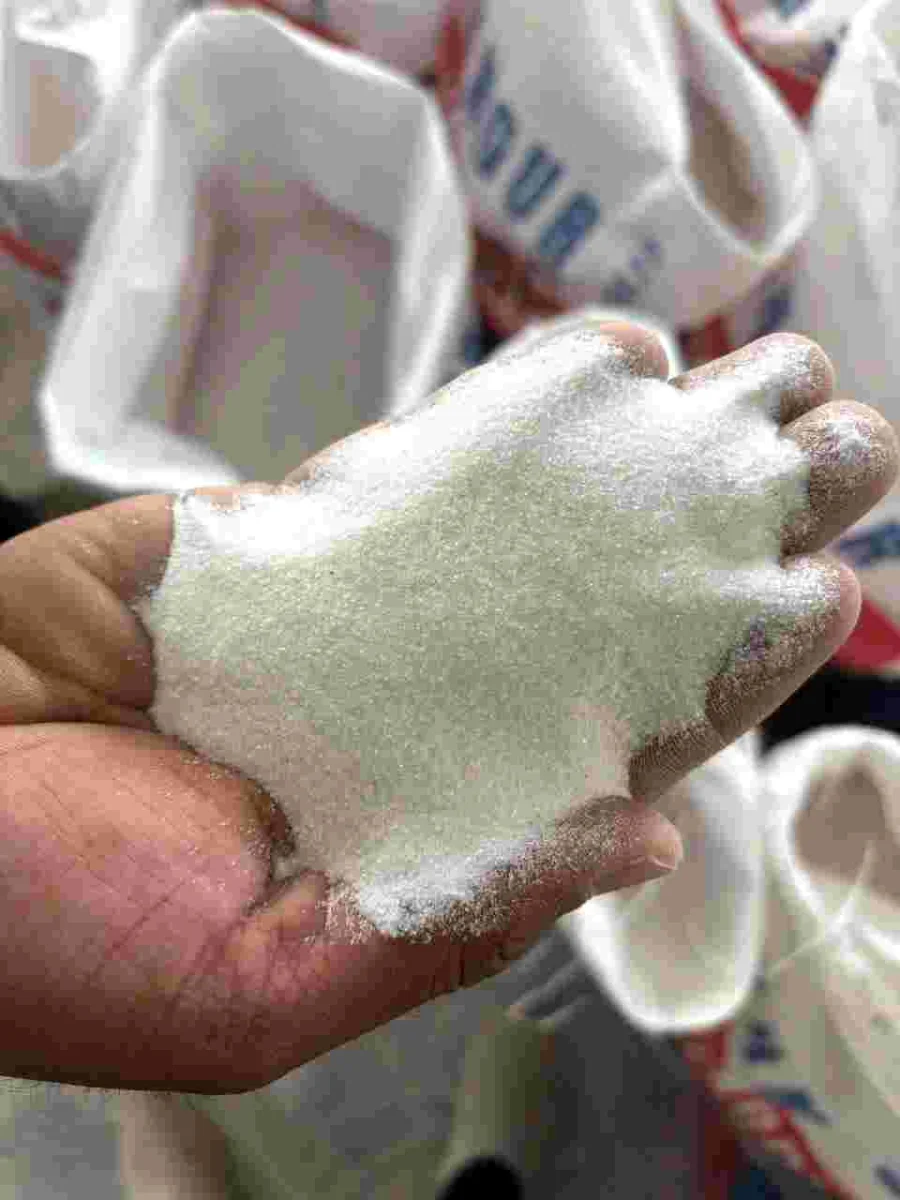
- That resin gets turned into sheets, rods, pellets, or tubes.
- From there, it gets cast, extruded, molded, or shaped, sometimes cut or polished to get the final product.
Common Products:
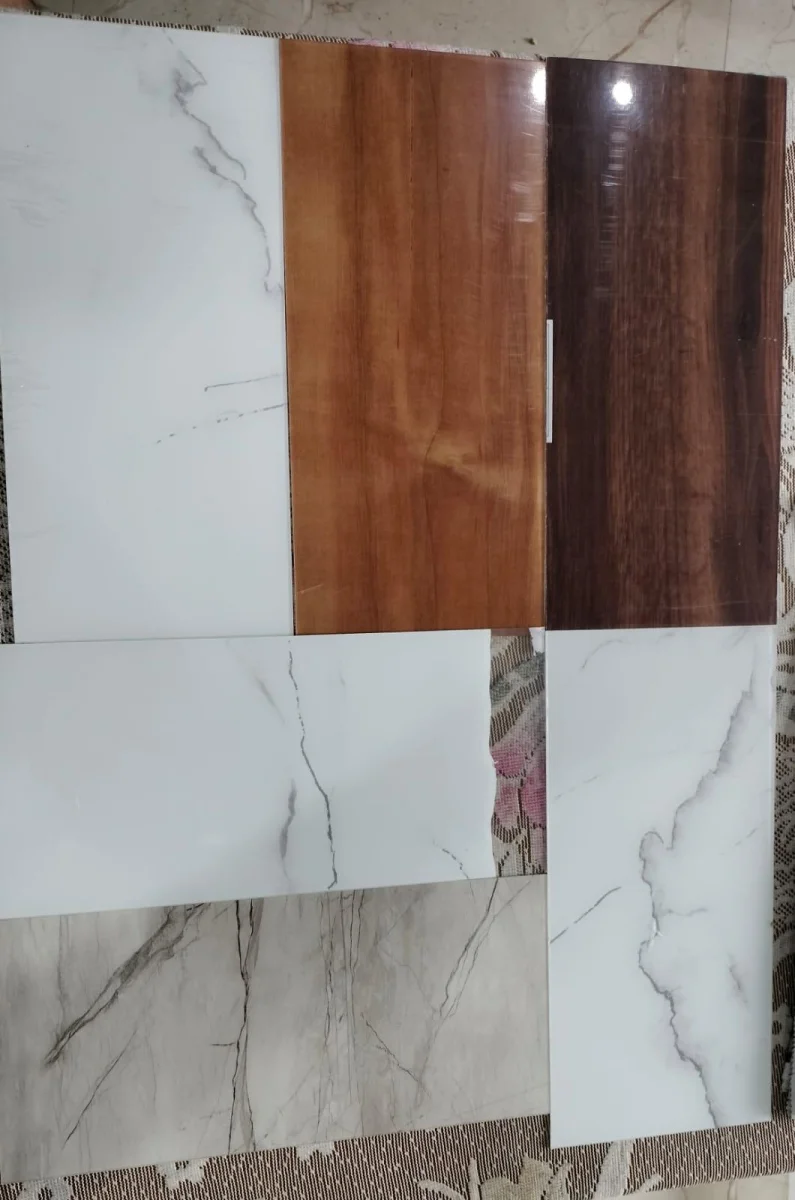
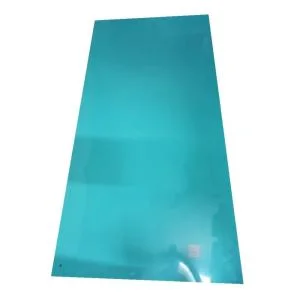
- Sheets and boards (construction, retail, signage)
- Furniture (tables, shelves, panels)
- Retail display boxes and fixtures
- Light covers (for cars or lamps)
- Protective guards (at banks, counters, clinics)
- Fish tanks
- Picture frames
Biodegradability?
Normal acrylic isn’t biodegradable, but it lasts a long time and you can recycle it. So, less waste in the long run—especially for things that get used over and over, like retail fixtures or building panels.
4. How’s Acrylic Recycled?
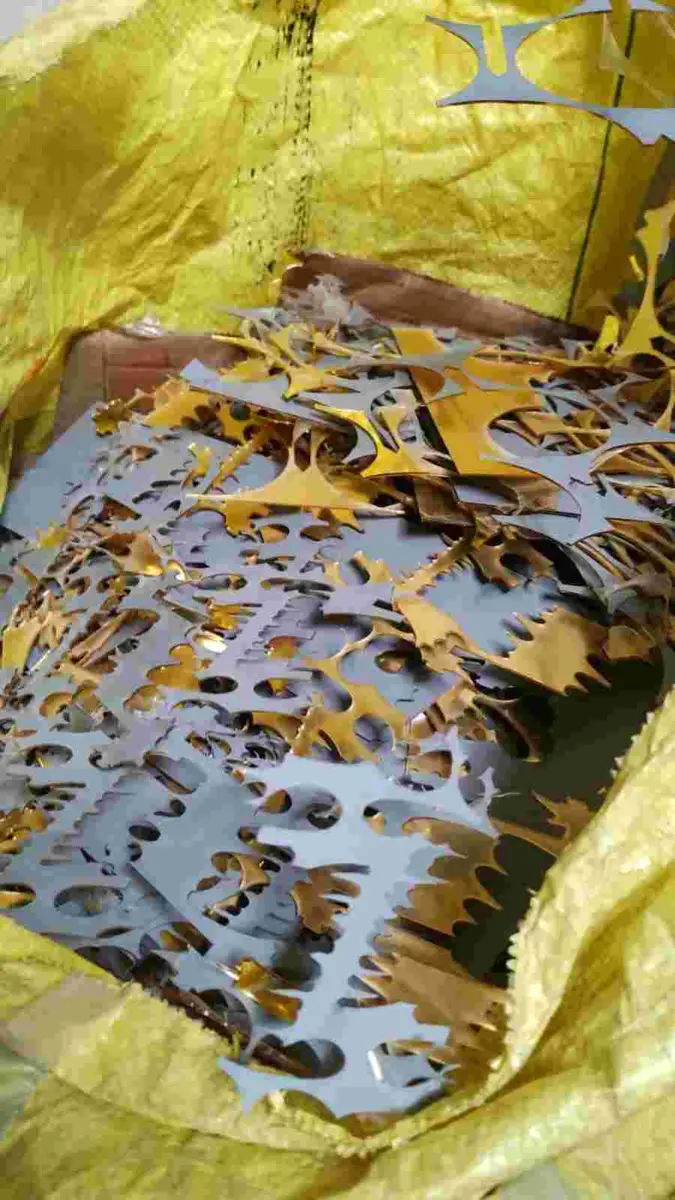
Recycling it’s a breeze: collect, clean, shred, and then melt old acrylic to turn into new panels and products. Look for recycling code 7 (“other plastics”). Recycled acrylic ends up right back in new signs, panels, or parts—less waste, less hassle.
Finding Suppliers and Manufacturers
You’ll find tons online. Try platforms like Plastic4trade, Alibaba, IndiaMART, or TradeIndia. Or, you can show up at trade fairs, plastics expos, or network on LinkedIn—there’s always someone dealing in acrylic out there.
Major Suppliers
In India: Mitsubishi Chemical India, Plaskolite India, Spartech Polycom, Gujarat Polyfilms, Astari India.
Worldwide: Mitsubishi Chemical Group (Japan), Röhm GmbH (Germany), Plaskolite LLC (USA), Trinseo (USA), Sumitomo Chemical (Japan).
Market Snapshot
Acrylic demand just keeps going up, mostly in Asia, North America, and Europe. Construction, signage, car lighting, retail displays—all on the rise. Acrylic looks sleek and modern, so people want more of it. Downsides? It’s pricier than your average plastic, scratches unless you add a tough coating, and people always talk about plastic waste.
Acrylic—The Highlights
Weight: 1.17 to 1.2 g/cm³
Super clear
Handles bumps (better than glass, not as tough as polycarbonate)
Loves the sun—never yellows
Shiny, glossy surface
Decent heat resistance
Insulates well
5. Pros and Cons
Pros:
Great clarity, looks polished
Much lighter than glass
Stands up to weather
Easy to mold and polish
Keeps its shape and shine
Cons:
- Scratches easier than glass
- Not the toughest plastic out there
- Not biodegradable
- Can react with some chemicals
Bottom Line
You see acrylic everywhere because it's clear, light, tough, and lasts outside. It’s the go-to material, whether we’re talking windows, signs, counters, or aquariums. New tech and better recycling mean it’s getting greener, too. Acrylic’s here to stay.