add_location

Filters


PU Plastic Foam Grinding Granules Material Suppliers and Manufacturers

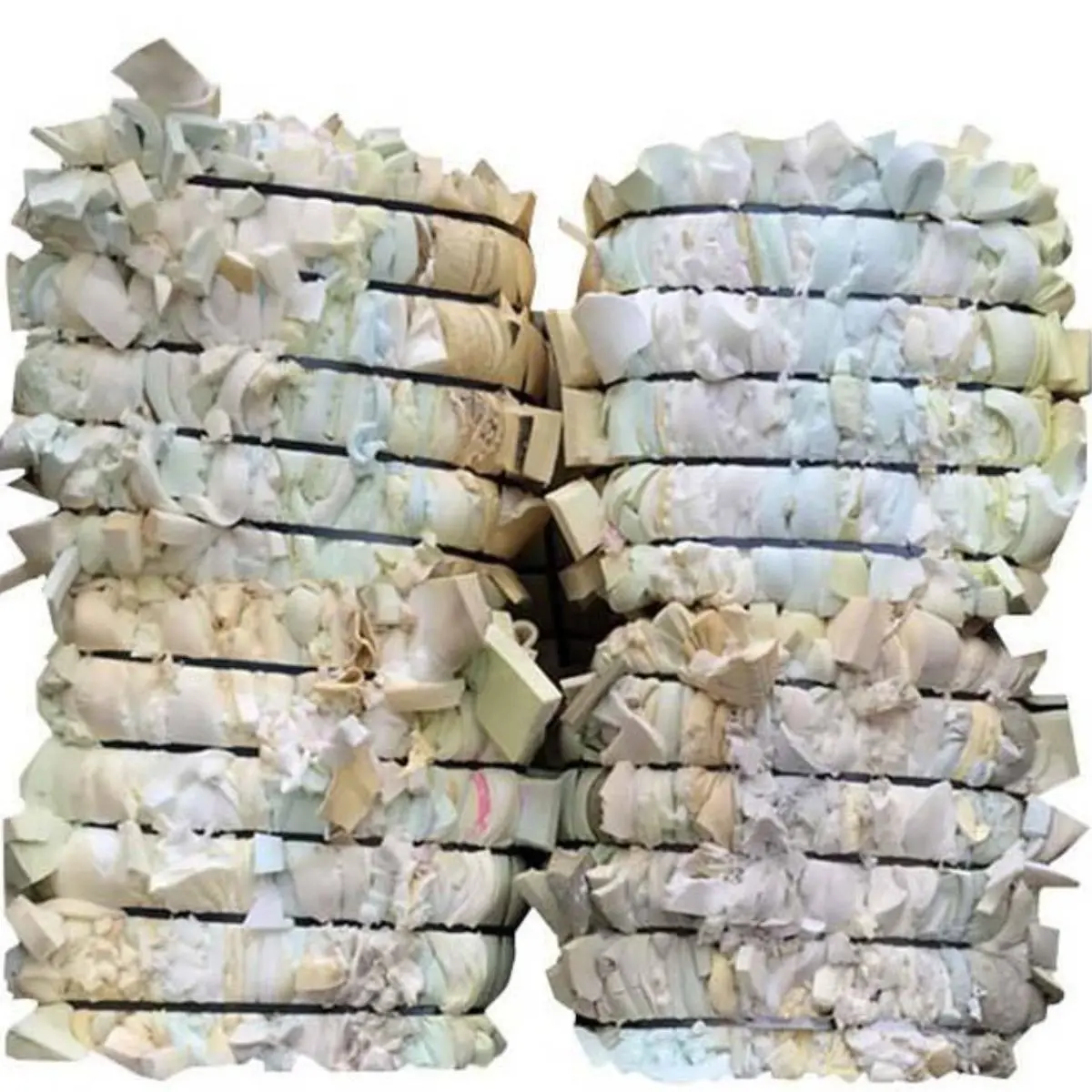
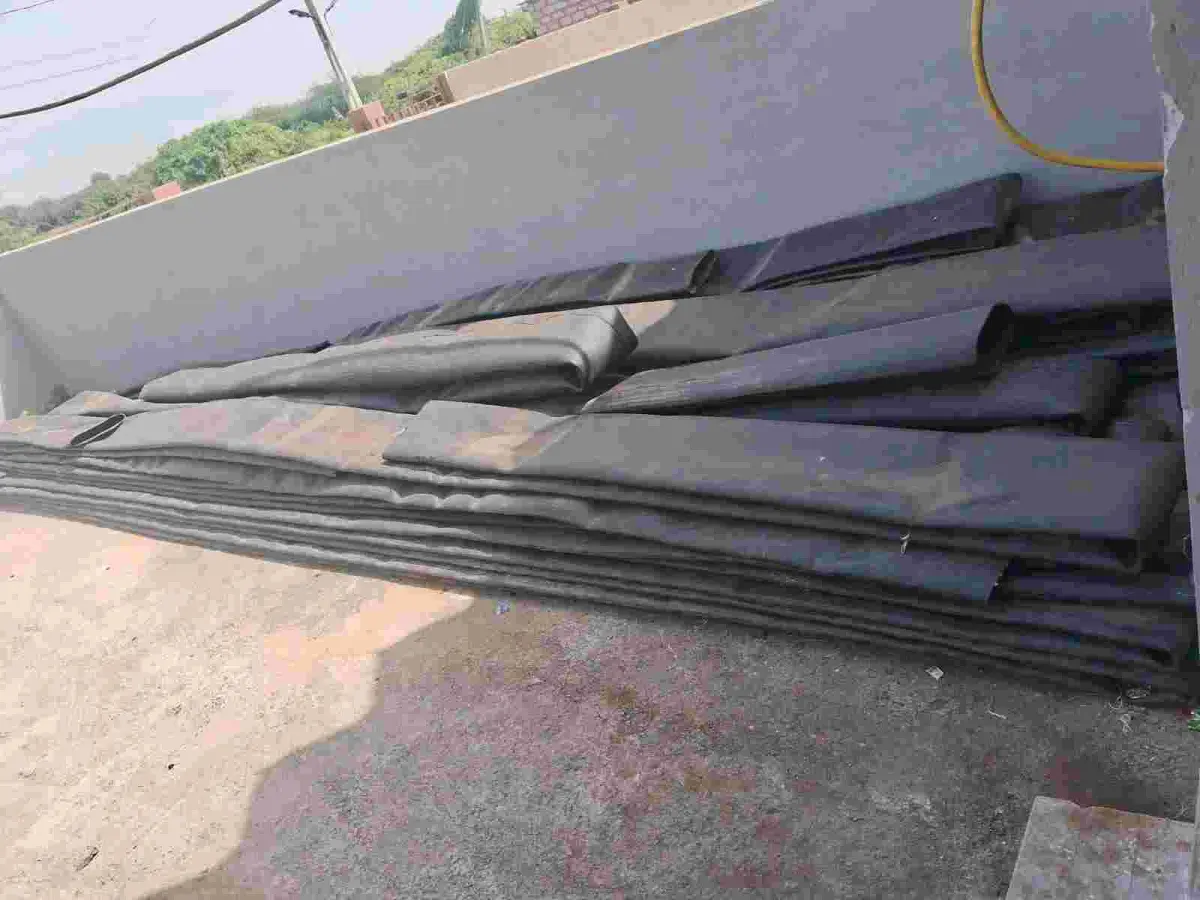
PU FOAM SCRAP PU Sheet, Pipe Pipe morbi gujarat india Plastic4trade

โ‚น 20

PU FOAM SCRAP

PU | Pipe

Gujarat, India

PU Plastic Foam Resin Scrap Material Buyers and Importers

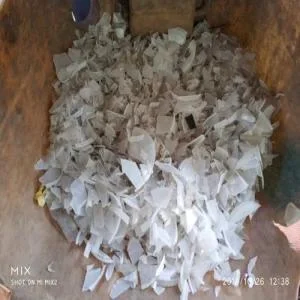
WHITE GRINDED PU NATURAL GRINDING SCRAP PU Grinding Injection Molding rajkot gujarat india Plastic4trade

โ‚น 130

WHITE GRINDED PU NATURAL GRINDING SCRAP

PU | Injection Molding

Gujarat, India


All About PU (Polyurethane): Types, Uses, Manufacturing, Market, Recycling, Facts and Information


1. What is PU? | Full Form and Definition


PU full form is Polyurethane, a versatile polymer material widely used in foams, coatings, adhesives, sealants, elastomers, insulation products, automotive components, furniture, footwear, and industrial applications. The Definition of PU is a synthetic polymer formed through the reaction of polyols and isocyanates, resulting in materials that can range from soft, flexible foams to rigid structural products.


Polyurethane is one of the most adaptable plastic materials available today because its properties can be customized to meet specific application requirements. Depending on its formulation, PU can be soft and flexible like a cushion or rigid and strong like structural insulation panels.


The material is highly valued for its durability, comfort, insulation performance, chemical resistance, and versatility across multiple industries.


Highlights:


  • Available in flexible and rigid forms
  • Excellent insulation properties
  • High durability and resilience
  • Good abrasion resistance
  • Lightweight yet strong
  • Suitable for numerous industrial applications


2. PU Category, Types, and Grades


Categories of Polyurethane


  • Flexible Polyurethane Foam is used in furniture, bedding, automotive seating, and cushioning applications.
  • Rigid Polyurethane Foam is primarily used for thermal insulation in buildings, refrigerators, and industrial equipment.
  • Polyurethane Elastomers provide flexibility, toughness, and wear resistance in industrial products.
  • Polyurethane Coatings are used for surface protection, decorative finishes, and corrosion resistance.
  • Polyurethane Adhesives and Sealants are used in construction, automotive, packaging, and industrial assembly applications.


Types of PU:


  • Flexible Foam PU: Used in mattresses, cushions, and seating systems
  • Rigid Foam PU: Used in insulation panels and refrigeration systems
  • PU Elastomer: Used in wheels, rollers, seals, and industrial parts
  • PU Coating: Used for protective and decorative surface finishes
  • PU Adhesive: Used in bonding applications
  • PU Sealant: Used in construction joints and waterproofing systems
  • Thermoplastic Polyurethane (TPU): Used in footwear, cables, and consumer products


Grades:


  • Flexible Foam Grade
  • Rigid Foam Grade
  • Automotive Grade
  • Coating Grade
  • Adhesive Grade
  • Industrial Grade
  • Construction Grade


3. PU Uses, Applications, and Products


The Uses of PU in:


Furniture Industry


Polyurethane foam is widely used in:


Sofas
Mattresses
Cushions
Office chairs
Upholstered furniture


Its comfort and durability make it ideal for seating and bedding applications.


Automotive Industry


PU is extensively used in:


  • Vehicle seats
  • Headrests
  • Dashboard components
  • Interior panels
  • Noise insulation systems


The material helps reduce vehicle weight while improving comfort.


Construction Industry


Polyurethane is used for:


  • Thermal insulation panels
  • Roofing insulation
  • Wall insulation
  • Waterproofing systems
  • Sealants and adhesives


Its excellent thermal performance helps improve energy efficiency.


Footwear Industry


PU is used in:


  • Shoe soles
  • Sandals
  • Sports footwear
  • Safety shoes


The material offers comfort, flexibility, and long-term durability.


Industrial Applications


Applications include:


  • Rollers
  • Wheels
  • Conveyor components
  • Protective coatings
  • Industrial seals


Appliances and Refrigeration


PU foam is widely used in:


  • Refrigerators
  • Freezers
  • Water heaters
  • Cold storage systems

It provides excellent thermal insulation.


4. How is PU Manufactured or Made | Processing Steps


PU Production Process


Raw Material Selection


The main raw materials include:


  • Polyols
  • Isocyanates
  • Catalysts
  • Blowing agents
  • Stabilizers
  • Additives


Polymer Formation


Polyols react with isocyanates through controlled chemical reactions to create polyurethane polymers.


Foaming Process


For foam products, blowing agents create a cellular structure that expands and forms lightweight foam.


Molding and Shaping


The material is molded into specific shapes and dimensions depending on the intended application.


Quality Testing


Manufacturers evaluate:


  • Density
  • Hardness
  • Compression strength
  • Thermal insulation
  • Tensile properties
  • Durability


Manufacturing Methods


  • Injection Molding
  • Reaction Injection Molding (RIM)
  • Foaming
  • Casting
  • Spray Coating
  • Extrusion


5. List of PU-Made Goods and Finished Products


Product

Application

PU Mattresses

Furniture industry

PU Shoe Soles

Footwear industry

PU Insulation Panels

Construction

PU Rollers

Industrial equipment

PU Automotive Seats

Automotive sector

PU Coatings

Surface protection

PU Adhesives

Industrial bonding

PU Refrigerator Insulation

Appliance industry


6. Sustainable Applications and Environmental Considerations


Traditional PU is not biodegradable, but ongoing developments focus on improving sustainability through recycling and bio-based raw materials.


Sustainable PU Applications


  • Energy-efficient insulation systems
  • Long-life industrial products
  • Bio-based polyurethane formulations
  • Durable automotive components
  • Recyclable foam systems


Environmental Benefits


Polyurethane insulation significantly reduces building energy consumption, contributing to lower carbon emissions over the product's lifespan.


7. PU Recycling Information


Polyurethane recycling technologies continue to evolve as industries focus on sustainability.


Recycling Process


  1. Collection
  2. Sorting
  3. Grinding
  4. Mechanical Recycling
  5. Chemical Recycling
  6. Material Recovery


Recycled PU Products


  • Carpet underlays
  • Insulation materials
  • Rebond foam
  • Industrial products
  • Construction materials


Recycling Information


Both mechanical and chemical recycling methods are used depending on the PU type and application.


8. Find PU Buyers, Suppliers, Manufacturers, Exporters, Importers


Best Platforms to Find PU Suppliers and Buyers


Plastic4trade
IndiaMART
TradeIndia


Additional Business Channels


  • Polyurethane exhibitions
  • Construction expos
  • Automotive trade fairs
  • Furniture manufacturing events
  • LinkedIn business networking


9. PU Manufacturers (India and Overseas)


Major PU Manufacturers - India


  • Covestro India
  • BASF India
  • Huntsman India
  • Sheela Foam Limited
  • Specialty polyurethane manufacturers


Major PU Manufacturers - Overseas


  • BASF SE (Germany)
  • Covestro AG (Germany)
  • Huntsman Corporation (USA)
  • Dow Inc. (USA)
  • Wanhua Chemical Group (China)


10. PU Market Analysis


The global polyurethane market continues to grow due to increasing demand from construction, automotive, furniture, footwear, and industrial sectors.


Major Demand Regions


  • Asia-Pacific
  • Europe
  • North America
  • Middle East


Growth Drivers


  • Expansion of construction activities
  • Growth in furniture manufacturing
  • Rising automotive production
  • Increasing demand for energy-efficient insulation
  • Development of lightweight materials


Challenges


  • Raw material price fluctuations
  • Environmental regulations
  • Recycling infrastructure limitations
  • Dependence on petrochemical feedstocks


11. PU Properties and Technical Data Sheet Report


Property

Typical Performance

Flexibility

Excellent

Thermal Insulation

Excellent

Abrasion Resistance

High

Durability

High

Impact Resistance

Good

Chemical Resistance

Good

Weight

Lightweight

Processing Versatility

Excellent


Polyurethane is highly valued because it can be engineered to provide a wide range of performance characteristics for different applications.


12. Advantages & Disadvantages of PU


Advantages (Pros)


  • Excellent durability
  • Superior insulation performance
  • Lightweight structure
  • Good abrasion resistance
  • Wide application versatility
  • Comfortable cushioning properties
  • Strong bonding capability
  • Long service life


Disadvantages (Cons)


  • Not naturally biodegradable
  • Recycling can be complex for some PU products
  • Raw material costs may fluctuate
  • Certain formulations require careful processing
  • UV exposure can affect some grades without stabilizers


Conclusion


Polyurethane (PU) is one of the most versatile and widely used polymer materials in the world. From furniture cushions and automotive seats to insulation panels, footwear, coatings, and industrial equipment, PU offers an exceptional combination of durability, comfort, insulation, and performance. Its adaptability allows manufacturers to create products ranging from soft, flexible foams to rigid structural materials. As industries continue focusing on energy efficiency, lightweight design, and advanced material performance, PU remains a critical material in modern manufacturing and engineering applications worldwide.

Frequently Asked Questions

Everything you need to know about PU

01

What is PU material?

PU is a multipurpose polymer that can be produced for a variety of commercial and industrial uses as elastomers, coatings, adhesives, sealants, flexible foam, and rigid foam.
02

What does PU stand for?

PU stands for Polyurethane.
03

Where is PU commonly used?

PU is widely used in: Mattresses and cushions Furniture products Footwear soles Automotive seats Thermal insulation panels Industrial rollers Adhesives and coatings
04

Why is PU popular in furniture and bedding products?

PU foam provides excellent comfort, cushioning, durability, and shape retention, making it ideal for mattresses, sofas, and seating systems.
05

Is PU a good insulation material?

Yes, rigid polyurethane foam offers excellent thermal insulation and is commonly used in buildings, refrigerators, cold storage facilities, and industrial equipment.
06

Can PU be recycled?

Yes, many polyurethane products can be recycled through mechanical or chemical recycling processes and reused in various industrial applications.
07

What are the advantages of PU?

Major advantages of PU include: Excellent durability High flexibility and comfort Superior thermal insulation Good abrasion resistance Lightweight structure Wide application versatility
08

What are the disadvantages of PU?

Some disadvantages of PU are: Not naturally biodegradable Recycling can be challenging for certain products UV exposure may affect some grades Raw material costs can fluctuate
09

Is PU used in the automotive industry?

Yes, PU is widely used in automotive seats, headrests, interior panels, insulation systems, steering wheel components, and vibration-control applications.
10

Which industries commonly use PU?

PU is widely used in a variety of industries, including the production of industrial equipment, automobiles, footwear, refrigeration, packaging, healthcare, and furniture.
11

Where can I find PU Plastic foam grinding, granules, resin, scrap buyers, and suppliers?

You can find PU Plastic foam grinding, granules, resin, and scrap buyers, suppliers, manufacturers, importers, exporters, and traders on Plastic4trade, a leading B2B marketplace.
add_circle Add Post