

Complete Guide on PET (Polyethylene Terephthalate): Types, Uses, Manufacturing, Market, Recycling & More
1. What is PET? | Full Form and Definition
PET stands for Polyethylene Terephthalate. It is a thermoplastic polymer belonging to the polyester family. PET is widely known for its excellent strength, clarity, and lightweight properties. It is primarily used for packaging beverages, foods, and other consumer products.
Highlights:
-
Transparent and lightweight
-
Excellent barrier to gases and moisture
-
Fully recyclable and safe for food contact
2. PET Category, Types, and Grades
Categories:
-
Virgin PET (vPET): Used for food-grade and medical applications
-
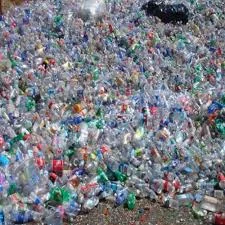
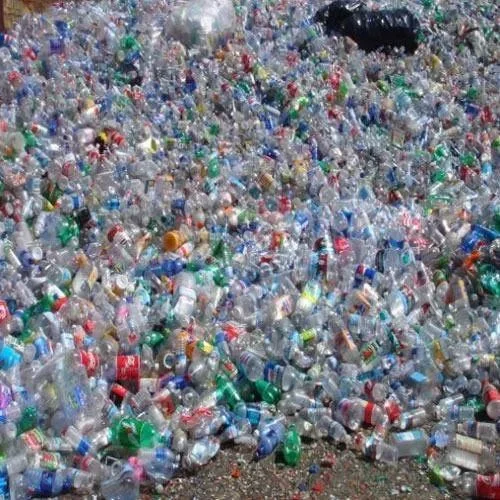
Recycled PET (rPET): Derived from used PET bottles, flakes, and scraps
Types of PET:
-
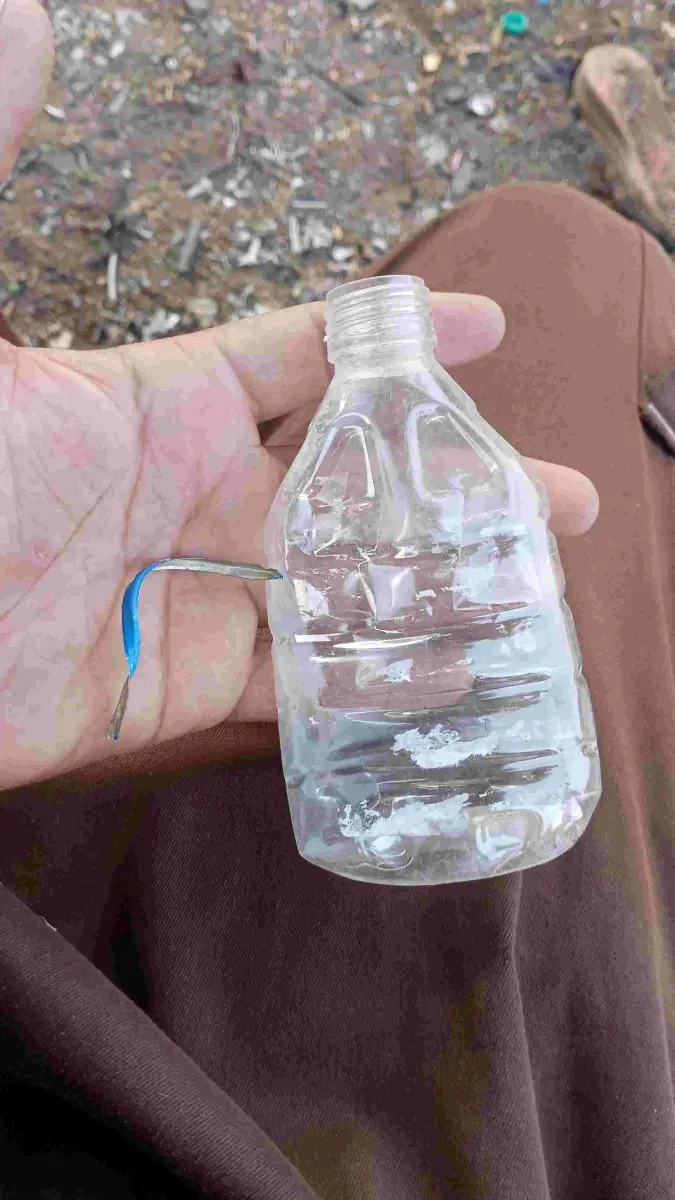
Bottle Grade PET: For water, soda, and juice bottles
-
Film Grade PET: Used in flexible packaging, labeling
-
Fiber Grade PET: For textiles and non-woven fabrics
Grades:
-
Food-grade PET
-
Industrial-grade PET
-
FDA and EFSA-compliant resins
3. PET Uses, Applications, and Products
PET is a preferred plastic for its strength, safety, and recyclability. Common uses include:
-
Packaging: Bottles, jars, containers for beverages and food
-
Textiles: Polyester fibers for clothing, furnishings
-
Industrial: Sheets, straps, 3D printing filament
-
Electronics: PET films for insulation and display screens
4. How PET is Manufactured | Processing Steps
PET Production Process:
-
Polycondensation Reaction of ethylene glycol and terephthalic acid
-
Solid-State Polymerization to increase molecular weight
-
Pelletizing and Crystallizing for Downstream Processing
Common Processing Techniques:
-
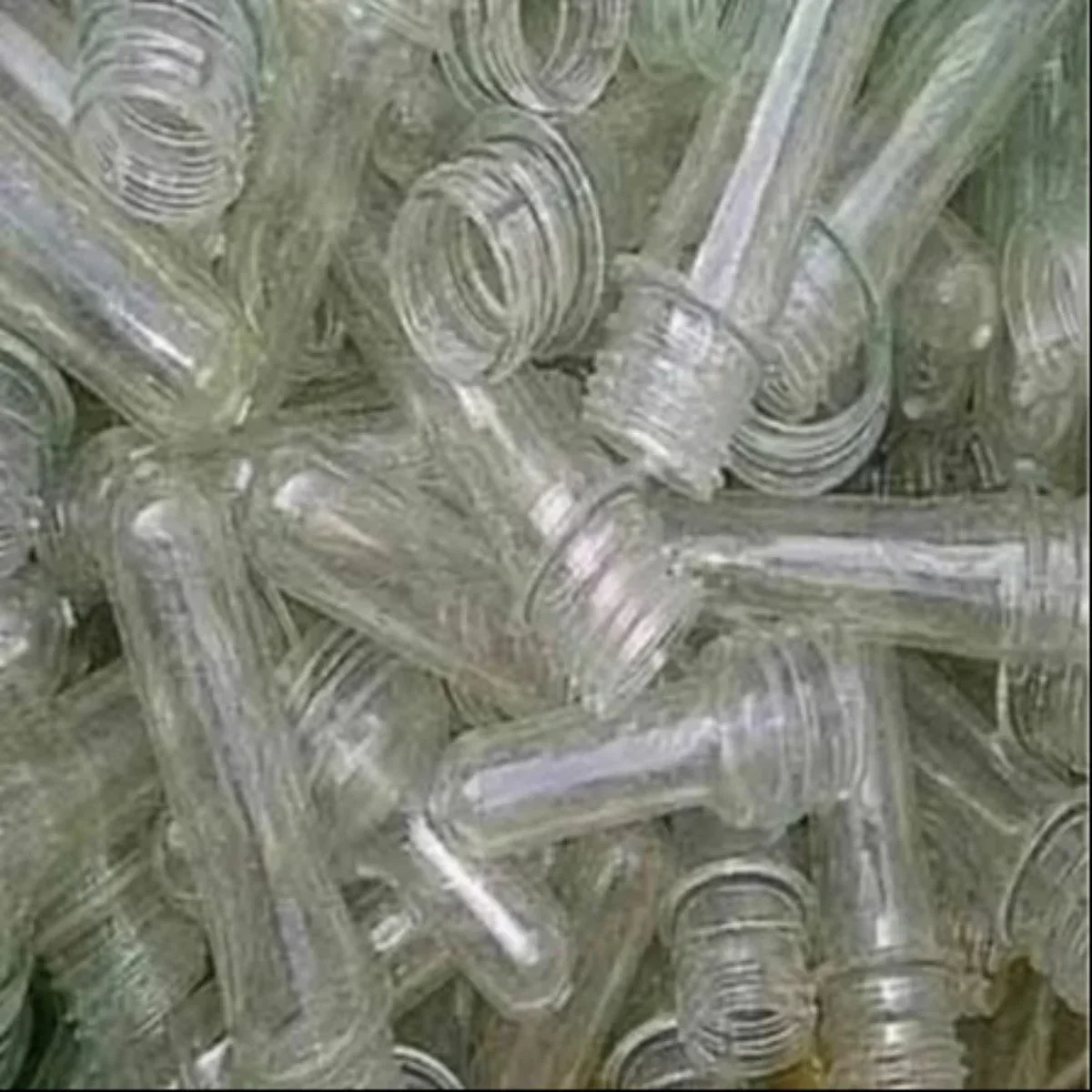
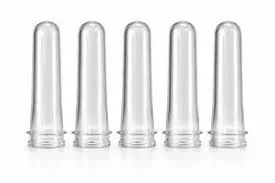
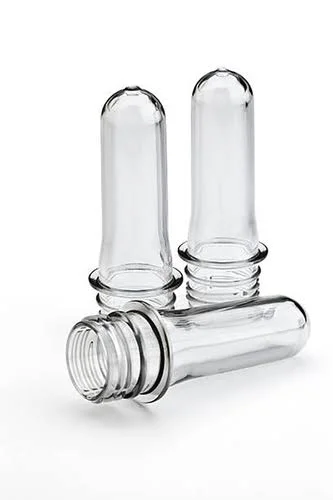
Injection Molding (preforms, caps)
-
Blow Molding (bottles)
-
Extrusion (sheets, films)
-
Fiber Spinning (textiles)
5. List of Finished Products Made from PET
| Product | Application |
|---|---|
| PET Bottles | Water, soft drinks, juices |
| PET Jars | Food packaging, pickles, and sauces |
| PET Sheets | Thermoformed trays, blisters |
| PET Films | Lamination, insulation, printing |
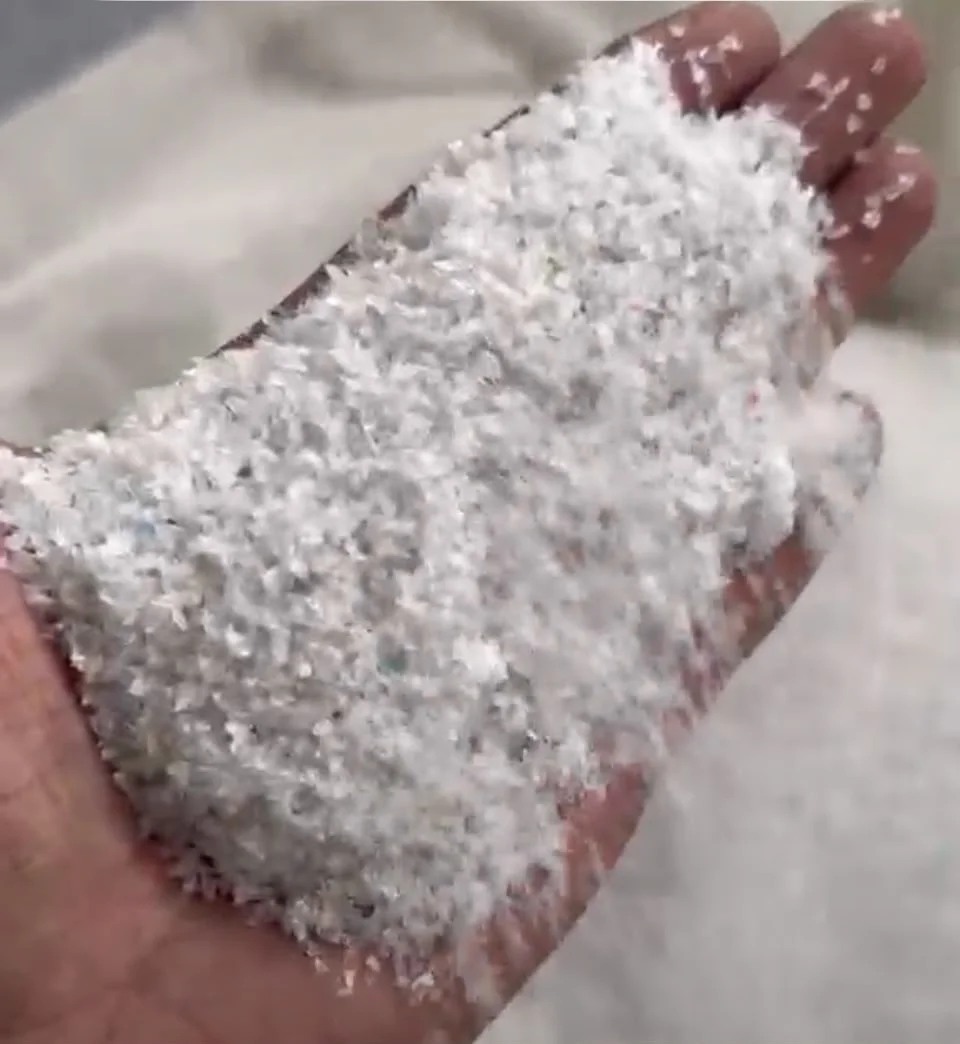
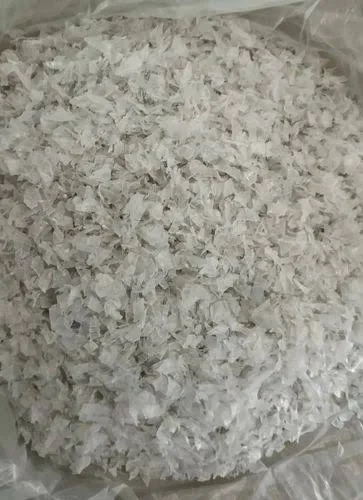
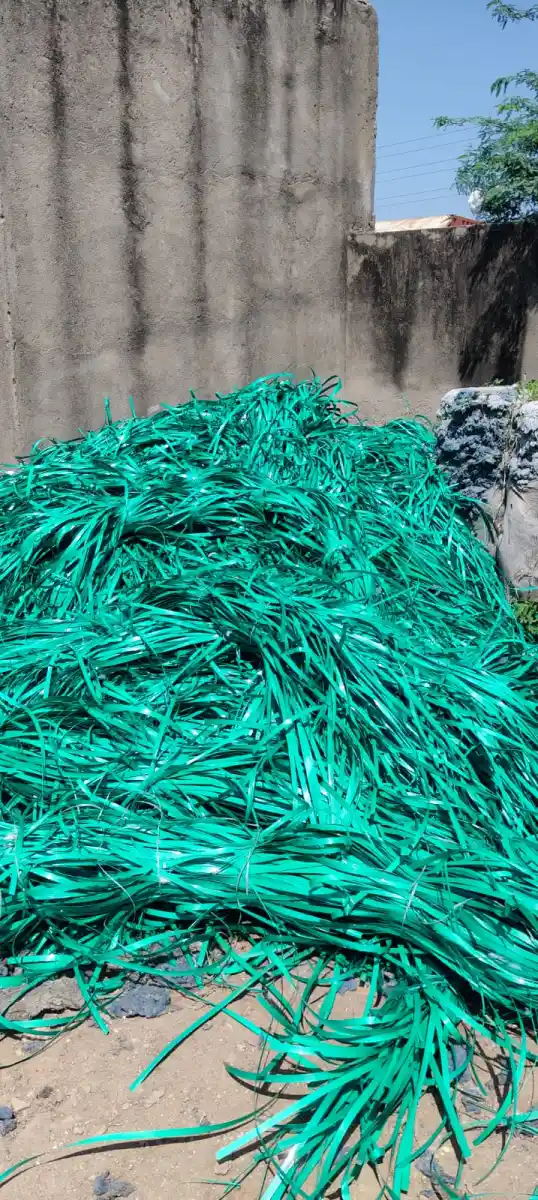
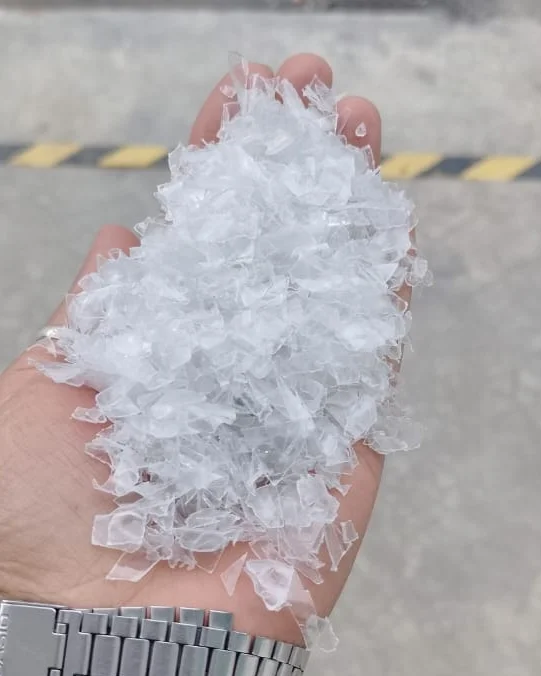
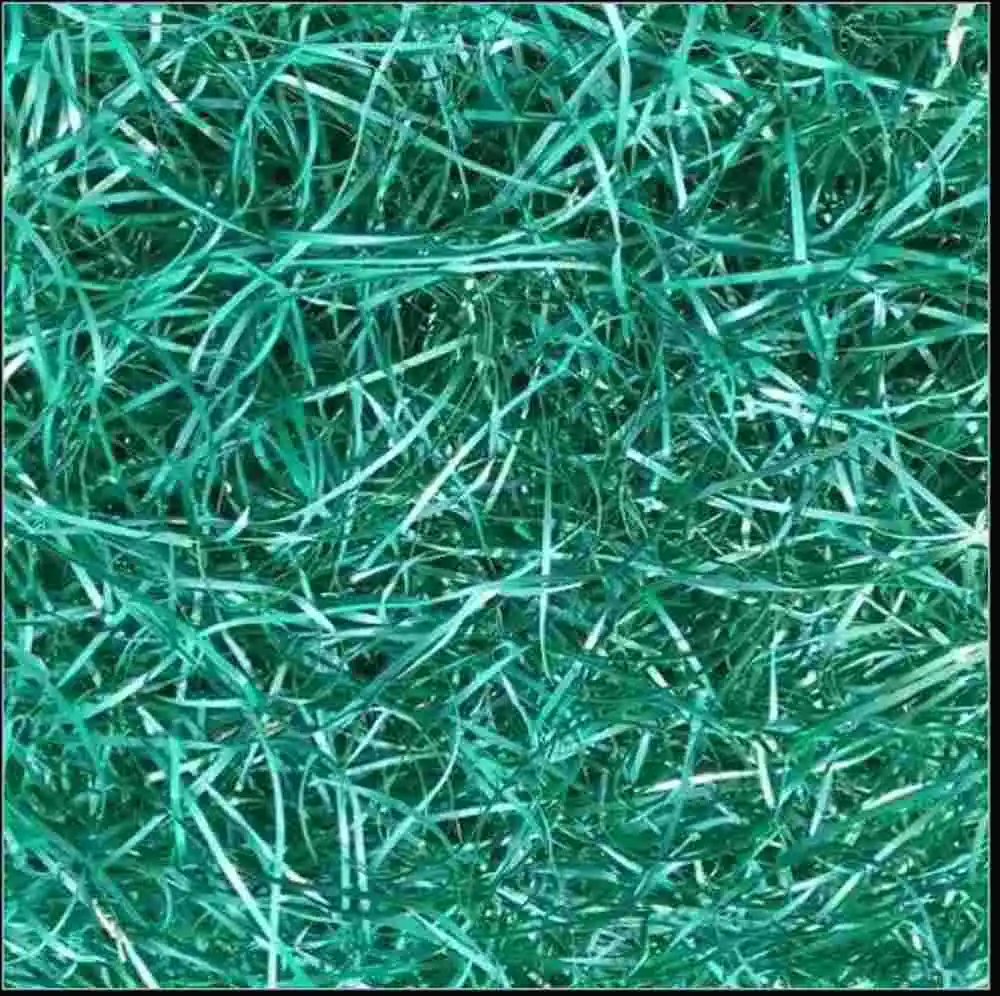
| PET Flakes | Recycled into yarns, fibers |
| PET Straps | Industrial packaging, pallets |
| PET Fiber | Apparel, furnishings |
6. PET Biodegradable Uses and Products
While conventional PET is not biodegradable, bio-based and compostable alternatives like PLA and bio-PET are being explored.
Innovations:
-
Oxo-degradable PET additives
-
Enzymatic PET degradation research
-
Compostable biopolyester blends
7. PET Recycling Information
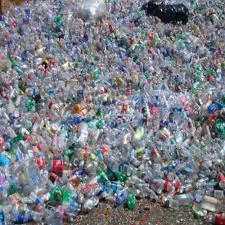
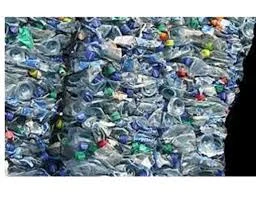
PET is 100% recyclable and holds the recycling code ♴ (Number 1 Plastic).
Recycling Process:
-
Collection & Sorting
-
Cleaning & Crushing
-
Reprocessing into flakes or pellets
-
Manufacturing rPET products
Recycled PET Products:
-
Clothing & carpets
-
PET containers
-
Sheet rolls
-
Strapping and insulation
8. Find PET Buyers, Suppliers, Manufacturers, Exporters, Importers
Top Platforms to Source PET:
-
Plastic4trade (Plastics-focused B2B portal)
-
Alibaba, TradeIndia, Global Sources
-
PET-focused trade fairs like PlastIndia, Chinaplas
Search Tips:
-
“rPET Flakes Suppliers India”
-
“Virgin PET Resin Exporters”
-
“PET Bottle Scrap Buyers USA”
9. PET Raw Material Manufacturers (India and Overseas)
Leading Indian Manufacturers:
-
Reliance Industries Ltd
-
JBF Industries Ltd
-
IVL Dhunseri Petrochem Industries
-
Futura Polyesters Ltd
Top Global PET Producers:
-
Indorama Ventures (Thailand)
-
Eastman Chemical Company (USA)
-
M&G Chemicals (Luxembourg)
-
Sinopec (China)
10. PET Market Analysis
Market Size: ~$55 Billion globally (Expected CAGR ~7% from 2024–2030)
Key Growth Regions: Asia-Pacific (China, India), Europe, North America
Growth Drivers:
-
Growing demand for bottled water and packaging
-
Rising sustainability and rPET demand
-
Technological advances in recycling
Challenges:
-
Plastic pollution and bans
-
Cost of advanced recycling technology
11. PET Properties and Technical Report
| Property | Typical Range |
|---|---|
| Density | 1.33–1.38 g/cm³ |
| Tensile Strength | 50–80 MPa |
| Melt Temperature | 250–260°C |
| Glass Transition Temp | 67–81°C |
| Barrier Properties | Excellent against CO₂ & O₂ |
| Recyclability | High (Code 1) |
12. Advantages and Disadvantages of PET | Pros and Cons
Advantages (Pros):
-
High clarity and strength
-
Safe for food and beverages
-
Lightweight, low shipping cost
-
Fully recyclable
-
Barrier resistance to moisture and gas
Disadvantages (Cons):
-
Not biodegradable
-
Environmental concern if not recycled
-
Melts at high temperatures
-
Requires proper sorting for recycling
Conclusion
PET is one of the most widely used and recycled plastics globally. Its applications span food and beverage packaging, textiles, and industrial uses. With innovations in sustainable rPET and recycling infrastructure, PET continues to play a central role in the circular plastic economy.
[PET suppliers, PET bottle scrap buyers, rPET flakes sellers, PET granules, PET resin manufacturers, buy PET plastic, PET film roll, PET packaging, recycled PET, food-grade PET, PET bottle manufacturers, PET sheet suppliers, plastic PET material]