add_location

Filters


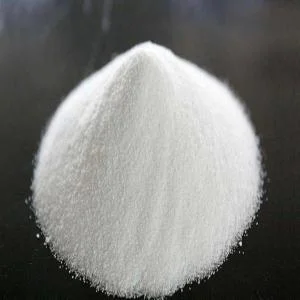
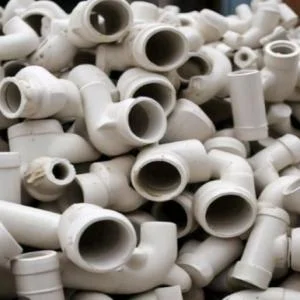
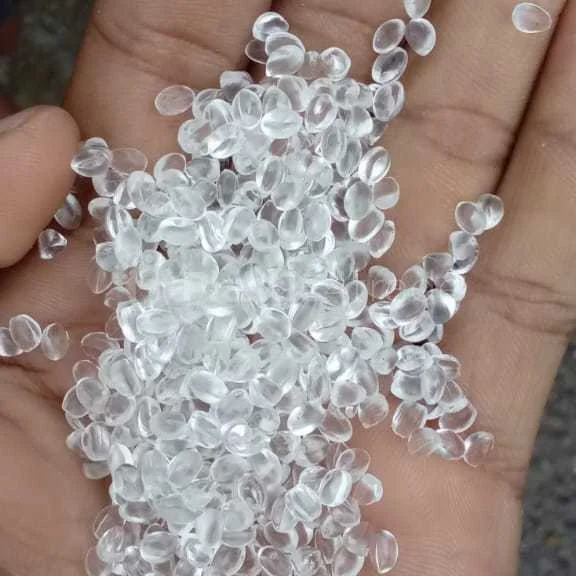
CPVC Plastic Pipe Raw Material Resin Suppliers and Manufacturers

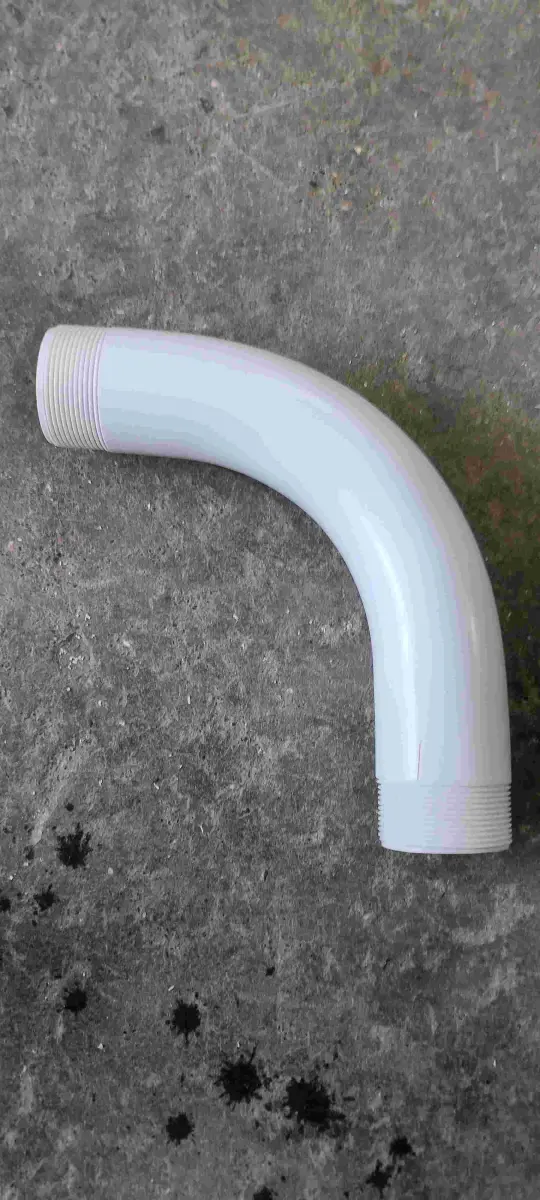
C PVC PIPE FITTING CPVC Finish Goods Injection Molding rajkot gujarat india Plastic4trade

₹ 14

C PVC PIPE FITTING

CPVC | Injection Molding

Gujarat, India

CPVC 4 INCH PIPE 1 PIPE IN 10 FEET CPVC Finish Goods Pipe faridabad haryana india Plastic4trade

₹ 375

CPVC 4 INCH PIPE 1 PIPE IN 10 FEET

CPVC | Pipe

Haryana, India

PVC BLACK INJECTION GRADE CPVC Reprocess Granule, Compound Injection Molding Cable delhi delhi india Plastic4trade

₹ 60

PVC BLACK INJECTION GRADE

CPVC | Injection Molding, Cable

Delhi, India

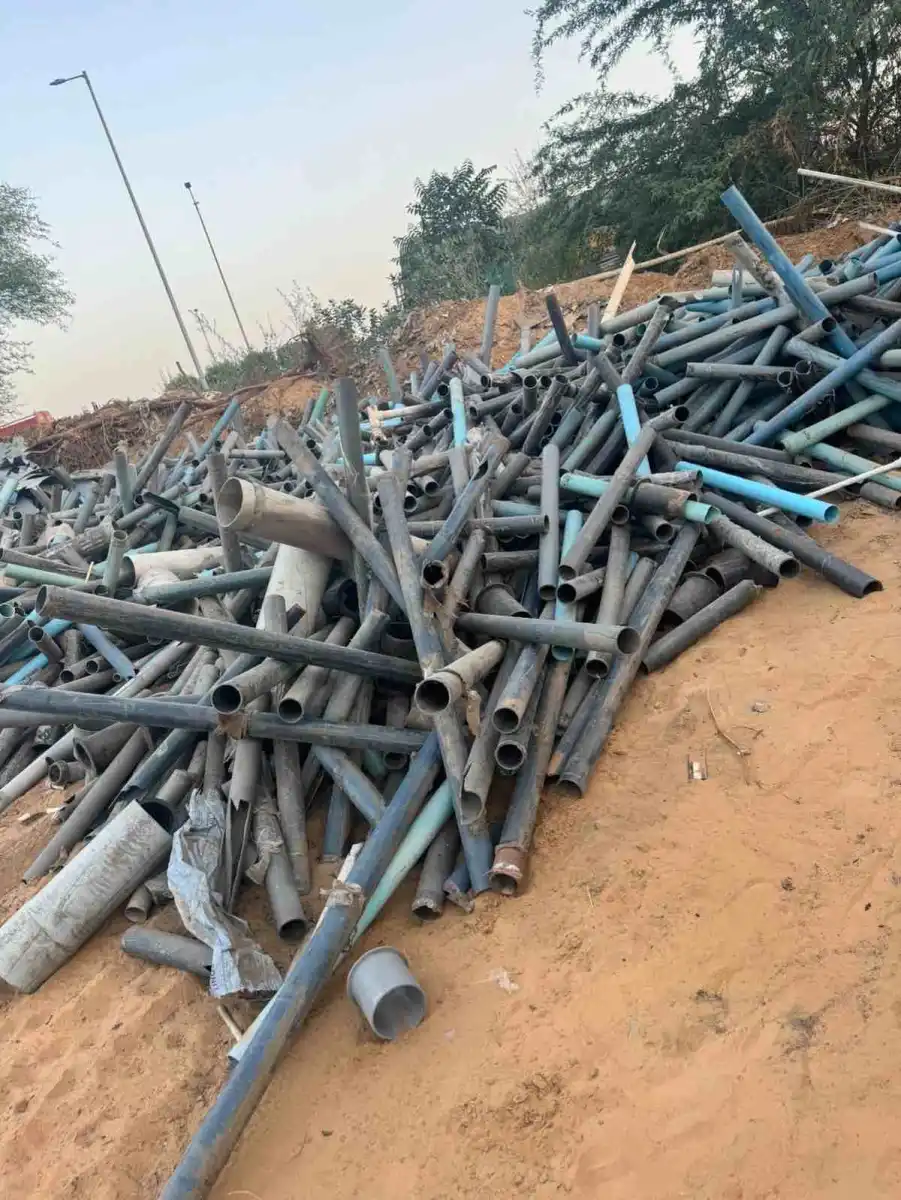
CPVC MOULDING CPVC Scrap Pipe bengaluru karnataka india Plastic4trade

₹ 55

CPVC MOULDING

CPVC | Pipe

Karnataka, India

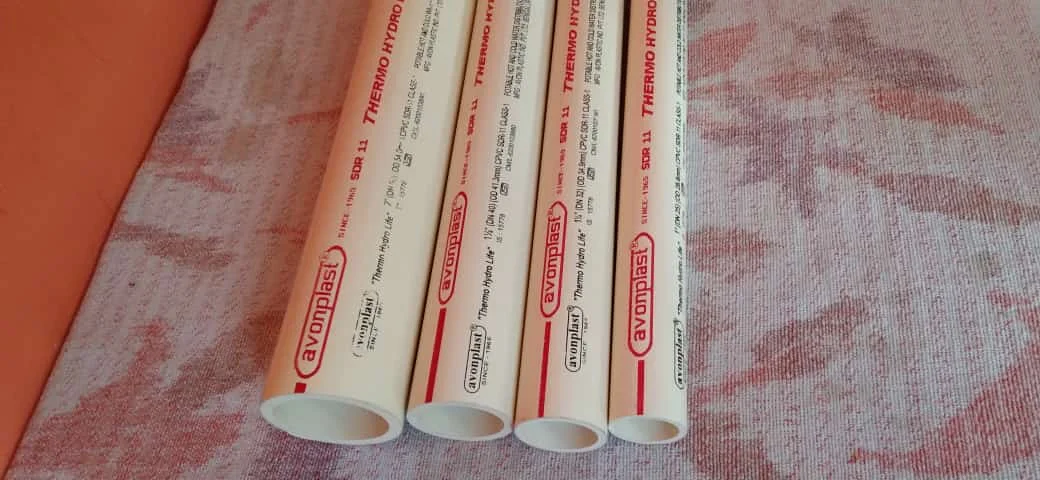
CPVC PIPE CPVC Pipe Pipe bengaluru karnataka india Plastic4trade

₹ 150

CPVC PIPE

CPVC | Pipe

Karnataka, India

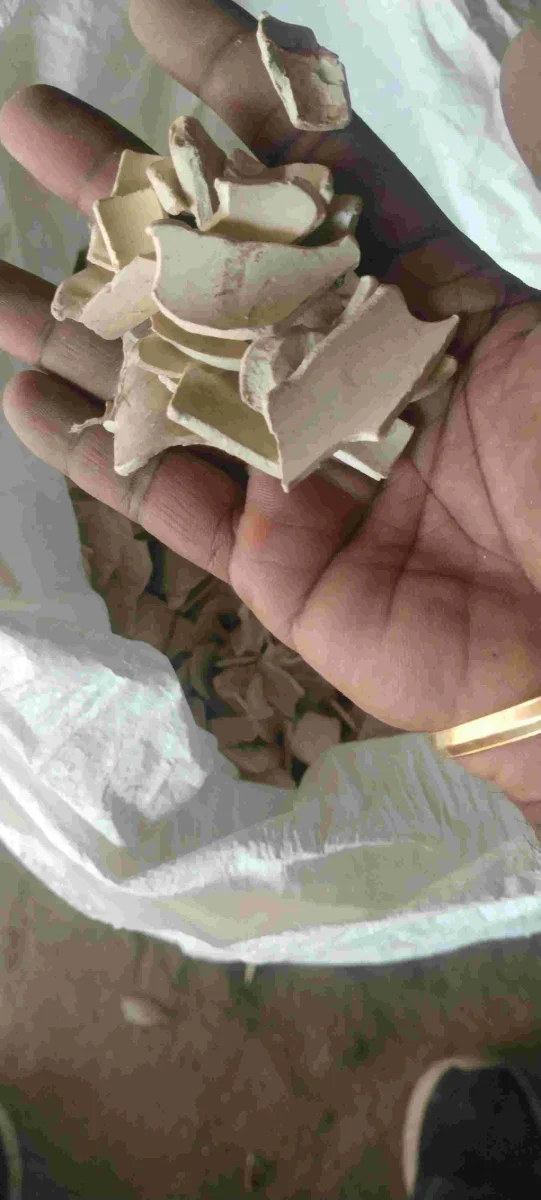
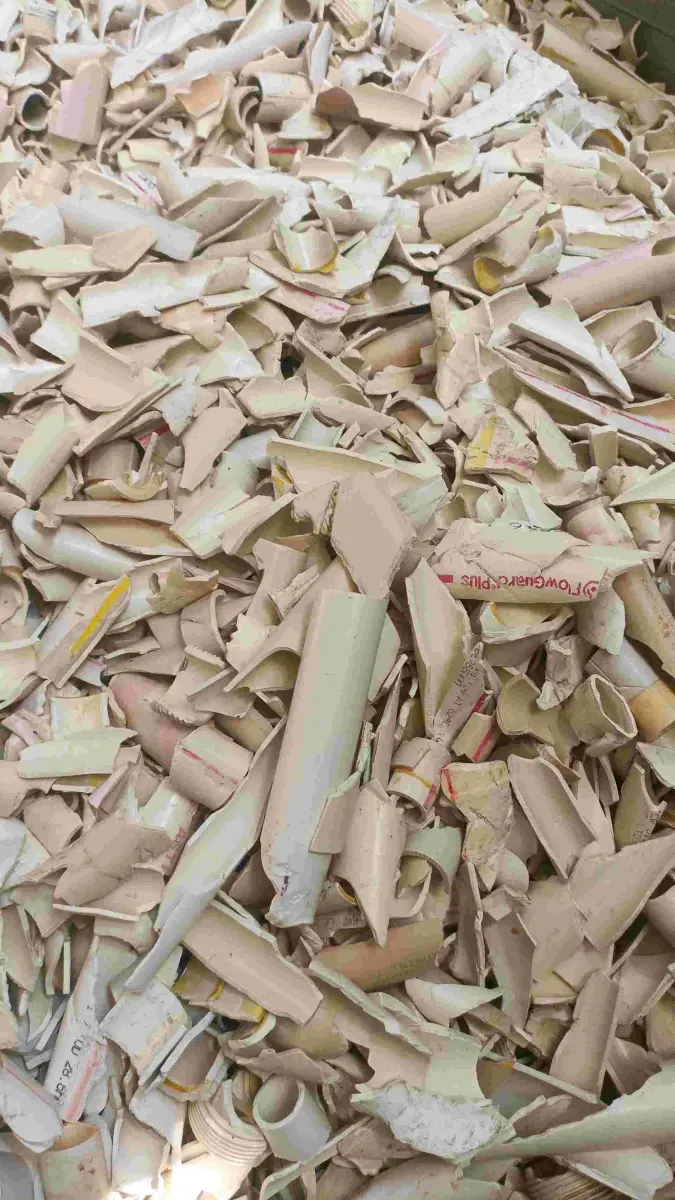
CPVC GRINDING CPVC Off Grade, Grinding, Scrap Machine & Tools madurai tamil nadu india Plastic4trade

₹ 37

CPVC GRINDING

CPVC | Machine & Tools

Tamil Nadu, India

CPVC BALL VALVE CPVC Finish Goods Injection Molding ahmedabad gujarat india Plastic4trade

₹ 61

CPVC BALL VALVE

CPVC | Injection Molding

Gujarat, India

CPVC   FETTING SCRAP CPVC Prime/Virgin, Lumps Blow dholpur rajasthan india Plastic4trade

₹ 35

CPVC FETTING SCRAP

CPVC | Blow

Rajasthan, India

CPVC Plastic Pipe Raw Material Resin Buyers and Importers

CPVC SCRAP CPVC Scrap Pipe vapi gujarat india Plastic4trade

₹ 27

CPVC SCRAP

CPVC | Pipe

Gujarat, India

CPVC PIPE FETTING CPVC Finish Goods Injection Molding ramagundam telangana india Plastic4trade

₹ 120

CPVC PIPE FETTING

CPVC | Injection Molding

Telangana, India

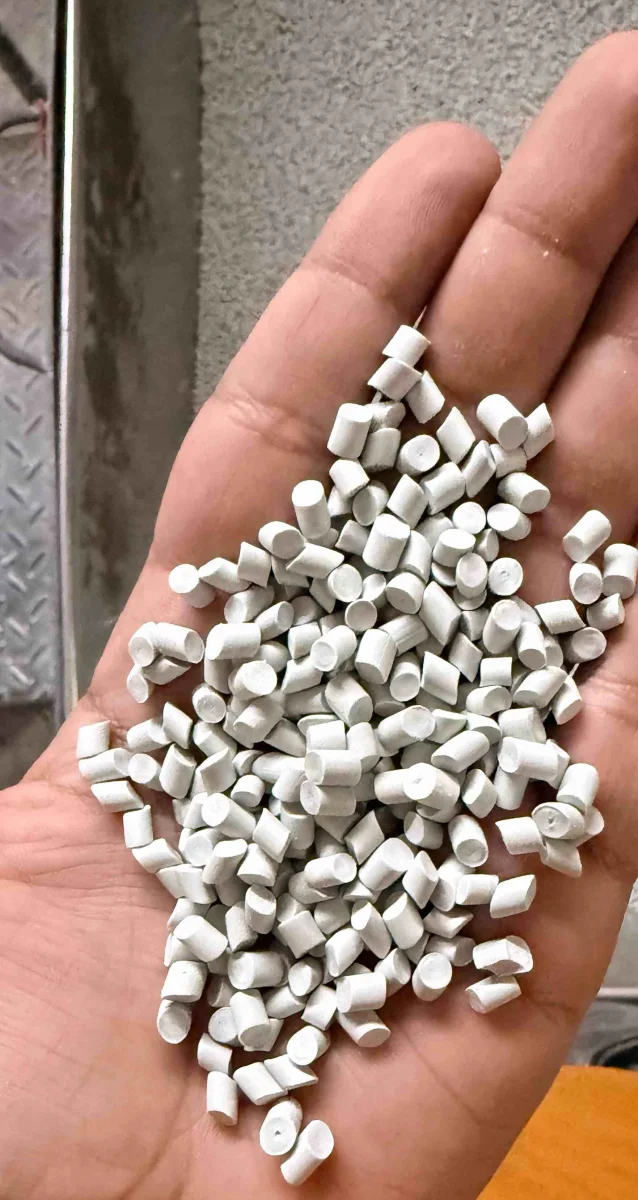
CPVC RESIN CPVC Resin Extrusion rajkot gujarat india Plastic4trade

₹ 65

CPVC RESIN

CPVC | Extrusion

Gujarat, India

CPVC   FETTING SCRAP CPVC Scrap Injection Molding ahmedabad gujarat india Plastic4trade

₹ 65

CPVC FETTING SCRAP

CPVC | Injection Molding

Gujarat, India

MANI CPVC Grinding Roto Molding maharashtra india Plastic4trade

₹ 40140

MANI

CPVC | Roto Molding

Maharashtra 401404, India

PVC RESIN SUSPENSION/CPVC CPVC Resin Extrusion gujarat india Plastic4trade

₹ 0

PVC RESIN SUSPENSION/CPVC

CPVC | Extrusion

Gujarat, India

PLASTIC GRINDING CPVC Grinding Injection Molding nm usa Plastic4trade

$ 147

PLASTIC GRINDING

CPVC | Injection Molding

NM 88030, USA

PLASTIC GRINDING CPVC Grinding Injection Molding nm usa Plastic4trade

$ 147

PLASTIC GRINDING

CPVC | Injection Molding

NM 88030, USA

All About CPVC (Chlorinated Polyvinyl Chloride): What You Really Need to Know


1. What is CPVC?


CPVC stands for Chlorinated Polyvinyl Chloride—a thermoplastic made by adding more chlorine to standard PVC. This extra chlorine bumps up the material's resistance to heat and chemicals, making CPVC much tougher and longer-lasting than regular PVC.

Why do people use it? Simple: it’s built to handle high temperatures, fights off corrosion, stays lightweight, and lasts for years. That’s why you see it in hot and cold water pipes, industrial plumbing, fire sprinkler setups, and chemical plants.


Key Features:


  • Handles high temperatures
  • Resists most chemicals and corrosion
  • Lightweight and tough
  • Works for hot and cold water
  • Easy to install and maintain
  • Lasts a long time


2. CPVC Categories, Types, and Grades


There are a few ways manufacturers sort CPVC:


Categories:


Virgin CPVC: Made from fresh resin—used where safety and pressure matter, like plumbing and industrial pipes.


Reprocessed CPVC: Made from recycled material—fine for non-critical industrial jobs.


Types:


  • Pipe Grade: For plumbing and industrial pipes
  • Fitting Grade: Used for elbows, tees, and connectors
  • Industrial Grade: For tough chemical processing work
  • Fire Sprinkler Grade: Engineered for fire protection systems
  • Sheet Grade: For tanks and liners in factories


Grades:


  • Plumbing
  • Industrial
  • Fire Protection
  • Pressure Pipe
  • Chemical Resistant


3. Where Is CPVC Used?


You’ll find CPVC in:


  • Homes: Hot and cold water pipes
  • Factories: Chemical pipelines and fluid transfer
  • Fire Safety: Sprinkler systems
  • Construction: Ducts, panels, and protective equipment
  • Farms: Irrigation and water transport
  • Hospitals and Offices: Reliable water systems


4. How Do You Make CPVC?


Here’s the process in a nutshell:


  • Start with regular PVC resin, then add chlorine to it.
  • Blend in stabilizers, lubricants, and other additives.
  • Shape the material into pipes, fittings, or sheets using extrusion or molding machines.


Manufacturers use techniques like:


  • Pipe extrusion
  • Injection molding
  • Sheet extrusion
  • Thermoforming
  • Assembly and fabrication


5. CPVC Products: What’s Out There?


  • Pipes (for plumbing, chemical plants, sprinklers)
  • Pipe fittings
  • Sprinkler pipes
  • Industrial pipes
  • Valves for pipelines
  • Sheets for fabrication
  • Duct systems for chemical ventilation
  • Water distribution systems (homes and offices)


6. Is CPVC Biodegradable?


No, CPVC doesn’t break down naturally. But it lasts so long that you don’t need to replace it often—so you create less waste over time. That’s a small win for sustainability.


Where does it shine? Any setting where you need systems to last, like:


  • Plumbing that never quits
  • Tough pipelines in factories
  • Fire systems that won’t corrode
  • Fabrication products that are recyclable


CPVC products can last decades, even with heavy use.


7. What About CPVC Recycling?


You can recycle CPVC—just not everywhere. The usual process:


  • Collect and sort used CPVC
  • Clean it
  • Grind and shred it down
  • Reprocess into new products


Common recycled products:


  • Fittings
  • Industrial sheets
  • Construction goods
  • Cable protection
  • Non-pressure pipes


It falls under the general PVC recycling category—Number 3 plastic.


8. Where to Buy or Sell CPVC?


Check out:


  • Plastic4trade
  • Alibaba
  • IndiaMART
  • TradeIndia

Or go to:


  • Trade shows
  • Plumbing/building expos
  • LinkedIn for business leads
  • Online marketplaces for building materials


9. Top CPVC Raw Material Makers (India & Abroad)


In India:


  • Astral Limited
  • Supreme Industries
  • Ashirvad Pipes
  • Prince Pipes & Fittings
  • Finolex Industries


Abroad:


  • Lubrizol (USA)
  • Georg Fischer (Switzerland)
  • NIBCO (USA)
  • Charlotte Pipe (USA)
  • Sekisui Chemical (Japan)


10. CPVC Market Snapshot


Business is good—demand’s growing fast, especially in Asia, North America, the Middle East, and Europe.


What’s driving it?


  • Construction booms
  • More hot water systems
  • Expanding chemical industries
  • People want materials that don’t corrode


A few challenges, though:


  • Costs more than regular PVC
  • Competes with PPR and metal pipes
  • Plastic waste and environmental concerns


11. CPVC: The Tech Specs


  • Density: 1.45 to 1.60 g/cm³
  • Handles heat up to 90°C
  • Tensile strength: 50 to 70 MPa
  • Excellent resistance to chemicals and corrosion
  • Barely absorbs water
  • Good flame resistance and insulation


Basically, it stands up to heat, chemicals, and daily wear and tear.


12. CPVC: Pros and Cons


Pros:


  • Handles heat like a champ
  • Won’t corrode
  • Lightweight and easy to work with
  • Good for hot and cold water
  • Lasts for years
  • Low maintenance


Cons:


  • Pricy compared to regular PVC
  • Not biodegradable
  • Can crack if you really stress it
  • Less flexible than some other plastics


Conclusion


CPVC is one of those materials you see everywhere once you know what to look for—plumbing, factories, fire protection. It’s sturdy, heat-resistant, and chemically tough, which keeps it in demand. As buildings modernize and recycling improves, CPVC’s not going anywhere.

Frequently Asked Questions

Everything you need to know about CPVC

01

What is CPVC?

It’s a thermoplastic made by chlorinating regular PVC, so it handles heat and chemicals better. People use it for pipes in plumbing and industrial setups.
02

What does CPVC stand for?

Chlorinated Polyvinyl Chloride.
03

Where is CPVC used most?

In hot/cold water plumbing, chemical plant pipes, fire sprinkler lines, and commercial and residential water systems.
04

Why choose CPVC for hot water pipes?

It won’t soften at high temperatures—making it safer for hot water than regular PVC.
05

How is CPVC different from PVC?

CPVC has more chlorine, so it’s tougher, lasts longer, and works for both hot and cold water. PVC is mainly for cold water only.
06

Is CPVC resistant to chemicals and corrosion?

Yes—works in many industrial and chemical environments.
07

Is CPVC recyclable?

With the right facilities, yes. Recycled CPVC shows up in industrial and construction goods.
08

CPVC Advantages?

Handles heat, Resists corrosion, Lasts a long time, Lightweight, Low maintenance, Stable in tough conditions
09

CPVC Disadvantages?

Costs more, Not super flexible, Cracks if it takes a hard hit, Not biodegradable
10

Who uses CPVC most?

Companies in construction, plumbing, chemical processing, fire safety, infrastructure, and water treatment.
11

Where do you find CPVC buyers and suppliers?

On top of B2B plastic marketplace platforms like Plastic4trade. You can also find suppliers, manufacturers, traders, importers, and exporters.
add_circle Add Post