
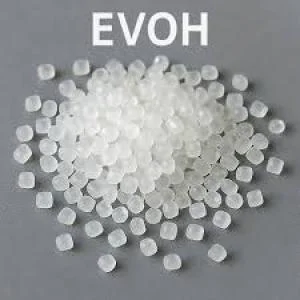
All About EVOH (Ethylene Vinyl Alcohol): Types, Uses, Manufacturing, Market, Recycling, and More
1. What is EVOH Plastic?
EVOH stands for Ethylene Vinyl Alcohol. People know it for being a top-notch barrier plastic—it’s fantastic at keeping oxygen and other gases out. You’ll find EVOH in everything from food packaging to car parts to medical wraps. Bottom line: if you need to protect something from air or keep it fresh longer, EVOH is probably in the mix. This isn’t some generic plastic; it’s what companies choose for food, medicine, or anything that needs to stay shelf-stable.
Why it stands out:
- Almost no oxygen or aroma gets through
- Holds onto flavors
- Lightweight, still tough
- Perfect fit for multilayer packaging
- Resistant to a bunch of chemicals
- Big in food and medical packaging
2. Types and Grades of EVOH
You’ll mostly see two main categories:
Virgin EVOH: Made from new, raw ingredients—used for stuff where quality really matters, like food and meds.
Reprocessed EVOH: Made from recycled factory waste, and goes into less sensitive things.
Main forms EVOH comes in:
- Film Grade: Flexible packs, like snack wraps
- Sheet Grade: For sturdy trays or tubs
- Extrusion Grade: Multilayer packaging
- Blow Molding Grade: Bottles and containers that need to block gases
- Pipe and Tank Grade: Automotive and industrial tanks
Common grades you’ll hear about:
- High Barrier
- Flexible Packaging
- Food Contact
- Medical
- Automotive
- Thermoforming
3. Where’s EVOH Used?
Honestly, it’s everywhere:
- Food: packs for meat, cheese, sauces, vacuum bags
- Pharmaceuticals: blister packs, pill wraps
- Automotive: fuel tanks and pipes
- Healthcare: sterile fluid bags, wraps
- Cosmetics: tubes or bottles for creams and lotions
- Industry: chemical drums, protective layers
Most of the time, companies use EVOH as a thin barrier inside multilayer packaging alongside PE, PP, PET, or PA—so it does its job without overcomplicating things.
4. How’s EVOH Made?
Quick version:
- First, they react ethylene with vinyl acetate (copolymerization).
- Next, they turn vinyl acetate into vinyl alcohol (hydrolysis) to get those signature barrier properties.
- Then, they throw in stabilizers or additives and turn it all into pellets.
How they work with it:
- Co-extrusion
- Blow molding
- Film extrusion
- Thermoforming
- Injection molding
EVOH really shines as a barrier layer inside products built from several different plastics.
5. What’s Made from EVOH?
- Food wraps and films that keep oxygen out (think cheese, meat, etc.)
- Vacuum bags
- Fuel tanks in cars
- Medical trays and wraps
- Cosmetic packaging
- Beverage bottles with multiple layers
- Food trays made by thermoforming
- Big storage containers for industry
6. Is EVOH Biodegradable?
No, regular EVOH isn’t biodegradable. Still, since you only need a tiny layer for great protection, EVOH helps food last longer—which actually means less waste overall.
Eco-friendly points:
- Lighter packs save materials
- Less spoiled food to throw out
- Some recyclable layers are possible
- Longer shelf life helps cut down on preservatives
EVOH lets companies use fewer preservatives and keep packaging lighter, which is a win for sustainability.
7. How Do You Recycle EVOH?
You can recycle EVOH, but it has to be sorted out and processed the right way.
Basic process:
- Collect the plastic
- Sort and wash it
- Grind it up or shred it
- Reprocess it into pellets
What can you make with recycled EVOH?
- Industrial films or sheets
- Utility parts
- Non-critical plastic items
Most of the time, it gets the recycling code #7 (Other Plastics).
8. Where to Find EVOH Suppliers and Buyers
Your best bet online:
- Plastic4trade
- IndiaMART
- TradeIndia
Or, check out industry events or expos—packaging, food tech, automotive, healthcare—or just reach out to people on LinkedIn.
9. Main EVOH Raw Material Suppliers
In India:
- Kuraray India
- Nippon Gohsei India
- Specialized distributors
Globally:
- Kuraray Co., Ltd. (Japan)
- Mitsubishi Chemical Group (Japan)
- Nippon Gohsei (Japan)
- Chang Chun Group (Taiwan)
- Soarnol (Japan)
10. EVOH Market Snapshot
Demand for EVOH is solid. It’s all about people wanting better food packaging, safer meds, longer-lasting car parts, and greener solutions.
Big regions:
- Asia-Pacific leads
- North America, Europe, Middle East are active too
What’s pushing growth?
- More packaged foods
- Stricter pharma packaging rules
- Car makers wanting cleaner, safer fuel tanks
- The need to waste less food
What’s tricky?
- EVOH costs more than regular plastics
- Harder to recycle multilayer packs
- EVOH can be sensitive to moisture
11. EVOH Properties—Quick Facts
- Density: 1.12–1.20 g/cm³
- Fantastic oxygen barrier
- Good clarity
- Good chemical resistance
- Moderate flexibility
- Good heat resistance
- Holds in aromas extremely well
- Moderate moisture sensitivity
In short: EVOH is a champion at keeping oxygen out and everything fresh.
12. Pros and Cons
Pros:
- Top-tier oxygen blocker
- Makes food last longer
- Keeps flavors and smells in
- Super light
- Trusted in food, healthcare, and more
- Seriously cuts down spoilage
Cons:
- Pricier than standard plastics
- Can let in moisture if not protected
- Needs to be part of a layered setup
- Mixed recycling is tough
Conclusion
EVOH is the behind-the-scenes hero in packaging and manufacturing. If you care about shelf life, product safety, or quality—from groceries to high-end medical gear—EVOH is often part of the solution. It’s helping companies make safer, fresher, and more sustainable products, everywhere you look.