



add_location

Filters


Plastic Additives Polymer Compounds Suppliers and Manufacturers

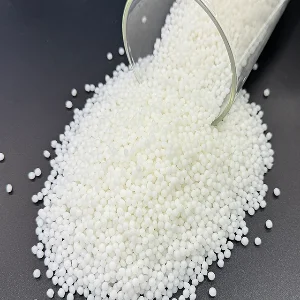
PLASTIC BLOWN FILM OPENING AGENT Additives Reprocess Granule, Mix Material, Additives Blow Extrusion Film Grade    Plastic4trade

$ 1715

PLASTIC BLOWN FILM OPENING AGENT

Additives | Blow, Extrusion, Film Grade

河北省, 中国

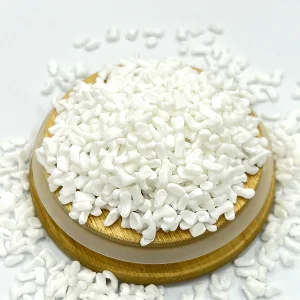
SODIUM SULFATE FILLED MASTERBATCH Additives Masterbatch, Additives Blow Injection Molding Film Grade    Plastic4trade

$ 430

SODIUM SULFATE FILLED MASTERBATCH

Additives | Blow, Injection Molding, Film Grade

河北省, 中国

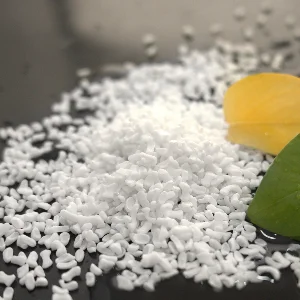
SODIUM SULFATE FILLED MASTERBATCH Additives Masterbatch, Additives Blow Injection Molding Film Grade    Plastic4trade

$ 430

SODIUM SULFATE FILLED MASTERBATCH

Additives | Blow, Injection Molding, Film Grade

河北省, 中国

COW DUNG Additives Bag Cable delhi delhi india Plastic4trade

₹ 249

COW DUNG

Additives | Cable

Delhi, India

PLASTICIZER Additives Additives Cable kolkata west bengal india Plastic4trade

$ 1150

PLASTICIZER

Additives | Cable

West Bengal, India

PE WAX FOR MASTERBATCH AND FILLER MANUFACTURING COMPANIES Additives Prime/Virgin Injection Molding Extrusion Film Grade vapi gujarat india Plastic4trade

₹ 76

PE WAX FOR MASTERBATCH AND FILLER MANUFACTURING COMPANIES

Additives | Injection Molding, Extrusion, Film Grade

Gujarat, India

ULTRAMARINE BLUE Additives Powder Roto Molding Injection Molding RAFFIA navi mumbai maharashtra india Plastic4trade

₹ 150

ULTRAMARINE BLUE

Additives | Roto Molding, Injection Molding, RAFFIA

Maharashtra, India

Plastic Additives Polymer Compounds Buyers and Importers

Buy Posts are not available...


All About Plastic Additives: Types, Uses, Manufacturing, Market, Recycling, Facts and Information


1. What are Plastic Additives? | Definition and Overview


Plastic additives are substances added to polymers during manufacturing to improve processing, enhance performance, increase durability, modify appearance, or provide specialized properties to plastic products. The Definition of Plastic Additives is chemical or mineral compounds blended with plastic resins to optimize material characteristics and meet specific industrial application requirements.


Plastic additives play a critical role in modern plastic manufacturing industries. Without it, many plastic products would not achieve the required flexibility, strength, UV resistance, flame retardancy, color stability, or long-term performance needed for industrial and consumer applications.


These additives are widely used in packaging, automotive components, construction materials, electronics, agriculture, healthcare products, textiles, and consumer goods. Various additives are chosen based on the needs of the finished product and the operational environment.


Highlights:


  • Improve plastic performance and durability
  • Enhance processing efficiency
  • Provide specialized functional properties
  • Increase product lifespan
  • Support industrial customization
  • Widely used across all plastic industries


2. Plastic Additives Category, Types, and Grades


Categories of Plastic Additives:


Performance Additives improve strength, flexibility, durability, or heat resistance.


Processing Additives help improve manufacturing efficiency and product quality.


Protective Additives protect plastics from UV radiation, oxidation, fire, and environmental damage.


Functional Additives provide special properties such as conductivity, anti-static performance, or antibacterial protection.


Types of Plastic Additives:


UV Stabilizers: Protect plastics from sunlight degradation


Antioxidants: Prevent thermal and oxidative degradation during processing


Plasticizers: Improve flexibility and softness


Flame Retardants: Reduce flammability and improve fire safety


Anti-Static Additives: Reduce static electricity buildup


Slip & Anti-Block Additives: Improve film processing and surface handling


Color Pigments: Provide coloration and visual appearance


Optical Brighteners: Enhance brightness and whiteness


Antibacterial Additives: Improve hygiene and microbial resistance


Impact Modifiers: Increase toughness and impact resistance


Foaming Agents: Create lightweight foam structures


Lubricants & Processing Aids: Enhance production flow and lower friction


Grades:


  • Injection Molding Grade
  • Film Grade
  • Pipe Grade
  • Fiber Grade
  • Packaging Grade
  • Automotive Grade
  • Electrical Grade


3. Plastic Additives Uses, Applications, and Products


The Uses of Plastic Additives in:


Packaging Industry: Flexible films, bottles, containers, food packaging, stretch films


Automotive Industry: Interior trims, dashboards, bumpers, wire insulation


Construction Industry: Pipes, profiles, insulation materials, roofing membranes


Electrical & Electronics: Cable insulation, appliance housings, connectors


Agriculture: Greenhouse films, irrigation pipes, mulch films


Healthcare Industry: Medical packaging, hygiene products, antimicrobial plastics


Consumer Products: Furniture, toys, storage products, household items


Textile Industry: Synthetic fibers, nonwoven fabrics, technical textiles


Plastic additives are essential for improving product performance, appearance, safety, and lifespan.


4. How Plastic Additives are Manufactured


Plastic Additive Manufacturing Process:


Raw Material Selection: Chemicals, minerals, pigments, or functional compounds are selected based on application requirements.


Chemical Synthesis or Processing: Additives are produced through chemical reactions, mineral refinement, or compounding processes.


Blending and Formulation: Additives are mixed with stabilizers, carriers, fillers, or processing agents.


Granulation or Powder Formation: The material is converted into powder, liquid, or pellet form for industrial use.


Quality Testing: Thermal stability, compatibility, dispersion quality, and functional performance are tested.


Product Manufacturing Methods:


  • Chemical Processing
  • Compounding
  • Extrusion Pelletizing
  • Powder Blending
  • Liquid Formulation Systems


Modern additive production systems focus on high consistency, compatibility, and processing efficiency.


5. List of Plastic Additive-Based Products and Applications


Product

Application

UV Stabilized Films

Agriculture and packaging

Flame Retardant Cables

Electrical industry

Flexible PVC Products

Construction and consumer goods

Anti-Static Packaging

Electronics industry

Colored Plastic Containers

Packaging applications

Antibacterial Plastic Products

Healthcare industry

Impact Resistant Automotive Parts

Automotive manufacturing

Lightweight Foam Products

Construction and packaging


6. Sustainable and Biodegradable Applications of Plastic Additives


Modern additive technologies help improve sustainability by increasing product lifespan, supporting recyclability, and reducing material consumption.


Sustainable Plastic Additive Applications:


  • Additives for recycled plastics
  • Biodegradable polymer stabilizers
  • Energy-saving lightweight plastics
  • Long-life UV-resistant products
  • Antimicrobial reusable products


Note:


Specialized additives are increasingly being developed to improve biodegradable plastics and recycled polymer processing.


7. Plastic Additives Recycling Information


Plastic additives may affect recycling processes depending on the additive type, concentration, and polymer compatibility.


Recycling Process:


  • Collection
  • Sorting
  • Cleaning
  • Grinding and Shredding
  • Melt Reprocessing
  • Pellet Manufacturing


Recycled Products:


  • Utility containers
  • Plastic sheets
  • Construction materials
  • Packaging products
  • Industrial molded components


Recycling Information:


Certain additives improve recycling performance, while others may require specialized sorting and processing systems.


8. Find Plastic Additive Buyers, Suppliers, Manufacturers, Exporters, Importers


Best Platforms to Find Plastic Additive Suppliers and Buyers:


  • Plastic4trade
  • IndiaMART
  • TradeIndia


Other Methods:


  • Polymer exhibitions
  • Chemical industry trade fairs
  • Plastics processing expos
  • Additive technology conferences
  • LinkedIn business networking


9. Plastic Additive Manufacturers (India and Overseas)


Major Plastic Additive Manufacturers - India:


  • Fine Organics
  • ALOK Masterbatches
  • Plastiblends India
  • Clariant India
  • Specialty additive compound manufacturers


Major Plastic Additive Manufacturers - Overseas:


  • BASF SE (Germany)
  • Clariant AG (Switzerland)
  • Songwon Industrial (South Korea)
  • Adeka Corporation (Japan)
  • Avient Corporation (USA)


10. Plastic Additive Market Analysis


The global plastic additives market is growing steadily because of increasing demand for high-performance plastics, lightweight materials, sustainable packaging, and specialty industrial products.


Major Demand Regions:


  • Asia-Pacific
  • North America
  • Europe
  • Middle East


Growth Drivers:


  • Rising demand for durable plastic products
  • Expansion of the automotive and packaging industries
  • Growth in the construction and infrastructure sectors
  • Increasing use of recycled plastics
  • Development of specialty polymer applications


Challenges:


  • Raw material price fluctuations
  • Environmental regulations on chemicals
  • Recycling compatibility concerns
  • Need for sustainable additive technologies


11. Plastic Additive Properties and Technical Data Sheet Report


Property

Typical Performance

UV Protection

High

Thermal Stability

Improved

Flexibility Enhancement

Available

Flame Resistance

Available

Impact Strength Improvement

Good

Processability

Enhanced

Surface Performance

Improved

Product Lifespan

Extended


Plastic additives are highly valued because they help optimize product quality, manufacturing efficiency, and long-term performance.


12. Advantages & Disadvantages of Plastic Additives


Advantages (Pros):


  • Improve plastic durability
  • Enhance product performance
  • Increase processing efficiency
  • Provide specialized properties
  • Improve product appearance
  • Extend the service life of plastics


Disadvantages (Cons):


  • Some additives increase production cost
  • Improper compatibility may affect product quality
  • Certain chemicals may face regulatory restrictions
  • Recycling complexity may increase in some applications


Conclusion


Plastic additives remain one of the most essential components in modern polymer manufacturing industries. From packaging and automotive products to construction materials and healthcare applications, additives help improve strength, flexibility, durability, safety, and processing performance. As industries continue focusing on advanced materials, lightweight products, sustainability, and high-performance polymers, plastic additives continue to play a major role in shaping the future of global plastic manufacturing and engineering innovation.

Frequently Asked Questions

Everything you need to know about Additives

01

What are plastic additives?

Plastic additives are substances mixed with polymers to improve processing, durability, flexibility, color, heat resistance, UV protection, or other functional properties.
02

Why are additives used in plastics?

Additives are used to enhance plastic performance, increase product lifespan, improve manufacturing efficiency, and provide specialized characteristics for different industrial applications.
03

What are the common types of plastic additives?

Common plastic additives include: UV stabilizers, Antioxidants, Plasticizers, Flame retardants, Anti-static agents, Color pigments, Slip additives, Impact modifiers
04

Which industries commonly use plastic additives?

Plastic additives are widely used in: Packaging industry, Automotive manufacturing, Construction materials, Electrical and electronics, Agriculture products, Healthcare applications, Consumer goods production
05

What do UV stabilizers do in plastics?

UV stabilizers help protect plastic products from sunlight damage, discoloration, cracking, and performance degradation caused by ultraviolet exposure.
06

Can plastics containing additives be recycled?

Yes, many plastics containing additives can be recycled, although some additives may require specialized recycling and sorting methods.
07

What are the advantages of plastic additives?

Major advantages of plastic additives include: Improved durability, Better heat and UV resistance, Enhanced flexibility and strength, Improved processing efficiency, Extended product lifespan, Customized material performance
08

What are the disadvantages of plastic additives?

Some disadvantages of plastic additives are: Increased production cost in some cases, Compatibility issues with certain polymers,, Possible recycling complexity, Regulatory restrictions for specific chemicals
09

Are plastic additives used in food packaging?

Yes, specialized food-grade additives are commonly used in food packaging to improve safety, shelf life, clarity, flexibility, and processing performance.
10

What is the role of flame-retardant additives in plastics?

Flame-retardant additives help reduce the flammability of plastic materials and improve fire safety in electrical, automotive, and construction applications.
11

Where can I find Plastic additives, polymer compounds, buyers, and suppliers?

You can find Plastic additives, polymer compounds buyers, suppliers, manufacturers, importers, exporters, and traders on Plastic4trade, a leading B2B marketplace.
add_circle Add Post