

All About UPVC (Unplasticized Polyvinyl Chloride): Types, Uses, Manufacturing, Market, Recycling, and More
1. What is UPVC Plastic? | Full Form and Definition
UPVC stands for Unplasticized Polyvinyl Chloride. Basically, it’s the tough, rigid version of regular PVC, made without plasticizers. That makes it extra sturdy, so it doesn’t bend or warp like its flexible cousin. It handles tough environments, stands up to chemicals and bad weather, and barely needs any maintenance. Builders love it for pipes, window frames, and a ton of other projects—anything that needs to last.
What makes UPVC stand out:
- It’s strong and holds its shape
- Fights off chemicals and rust
- Doesn’t care about rain or humidity
- Easy to maintain—doesn’t need much attention
- Helps keep noise and heat in (or out)
- Budget-friendly, and you can recycle it
2. UPVC Categories, Types, and Grade
You’ll find a couple of main categories:
Virgin UPVC: Brand new, pure material—used for top-quality pipes, doors, windows, and places where reliability matters the most.
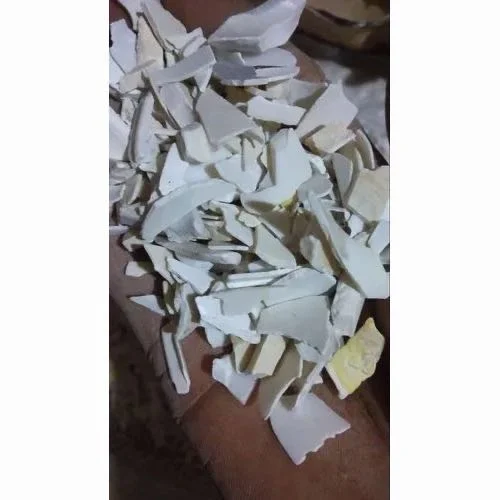
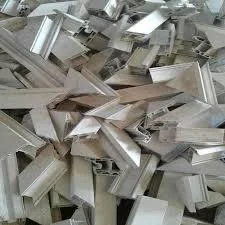
Recycled UPVC: Made from older material, great for general construction where the standards aren’t as strict.
UPVC Shows Up As:
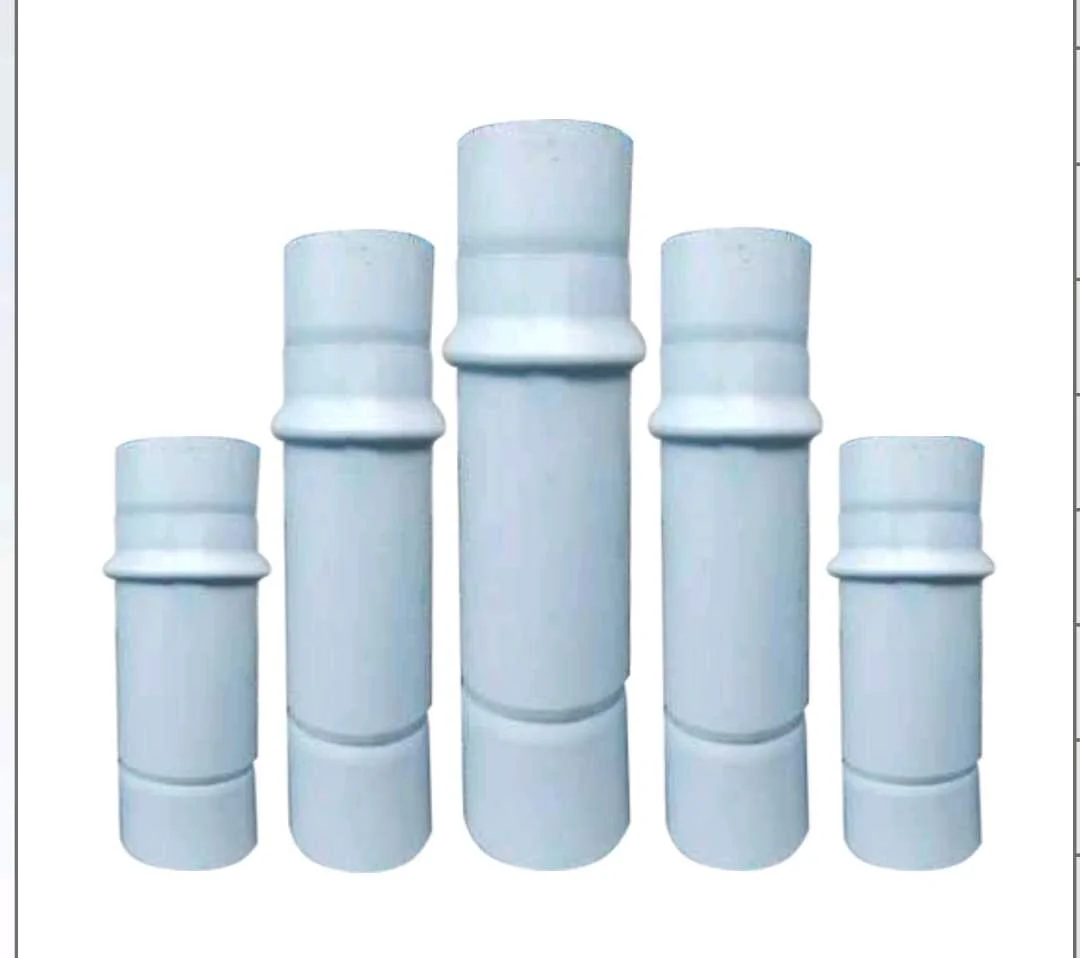
- Pipe Grade: All those tough plumbing and drainage pipes.
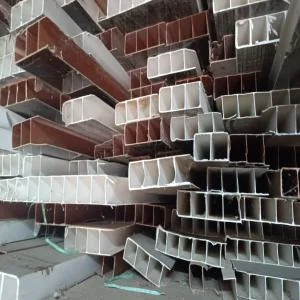
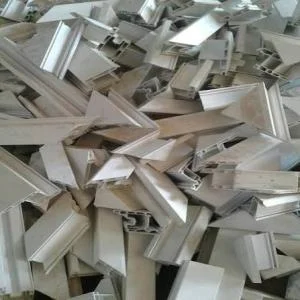
- Window Profile Grade: The stuff in window and door frames.
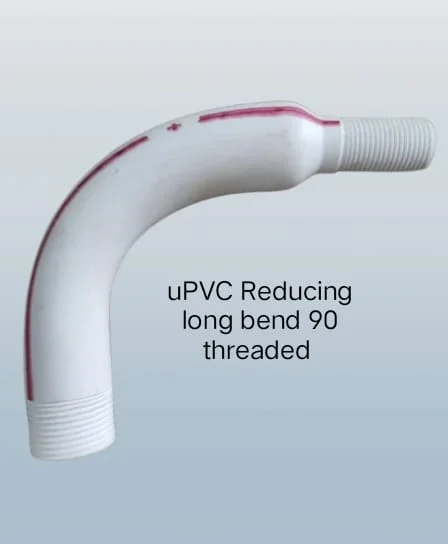
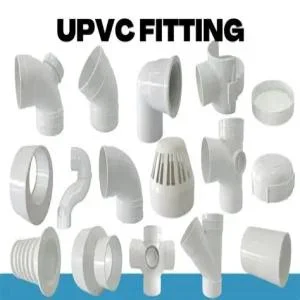
- Fitting Grade: Connectors and elbows for pipes.
- Sheet Grade: Wall panels, sturdy sheets for industry.
- Electrical Conduit Grade: Keeping those wires safe.
Typical Grades:
- Pressure Pipe
- Plumbing
- Construction
- Electrical Conduit
- Industrial
3. Main Uses and Products
You’ll spot UPVC almost everywhere:
- Buildings: Windows, doors, interior wall panels, roofing sheets, partitions—inside and out
- Plumbing: Pipes for water, sewage, and drainage
- Electrical: Tubes and housings to protect cables
- Factories: Tanks and pipes that handle nasty chemicals
- Farming: Irrigation pipes
- Big Projects: Underground utility and cable protection
4. How UPVC is Made
Here’s what happens:
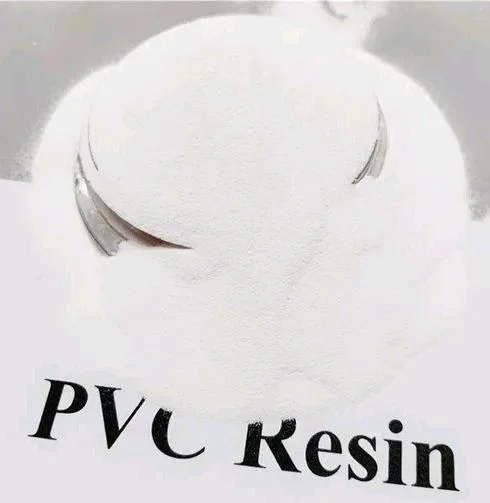
- Start with PVC resin (the base material).
- Mix in stabilizers, lubricants, fillers, and a few other helpers—no softeners here.
- Shape it all into pipes, sheets, fittings, or profiles using molds, extruders, or injection machines.
The main manufacturing methods:
- Extrusion (think long pipes or window profiles)
- Injection molding (for fittings or smaller parts)
- Thermoforming (sheets and panels)
- Cutting and finishing
5. Common UPVC Products
- Pipes for water, drains, factories
- Windows and doors—homes and offices alike
- Pipe connectors (fittings)
- Electrical conduits for safe wiring
- Wall and roof sheets—used in everything from homes to warehouses
- Industrial pipes for moving chemicals
6. UPVC and the Environment
No, UPVC isn’t biodegradable—you can’t toss it in the backyard and expect it to disappear. But it sticks around for decades, which means less replacing and less waste. Plus, it’s recyclable.
Why builders keep using it:
- Lasts and lasts—plumbing and windows that hold up for years
- Cuts down on energy loss
- Recyclable after use
- Great for infrastructure that can’t fail
7. Recycling UPVC
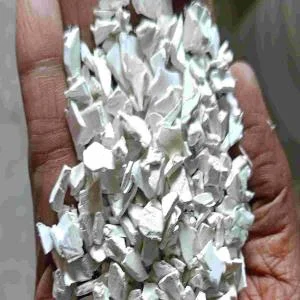
UPVC doesn’t mind a few lives. Recycle it, then recycle it again—it holds up.
How it works:
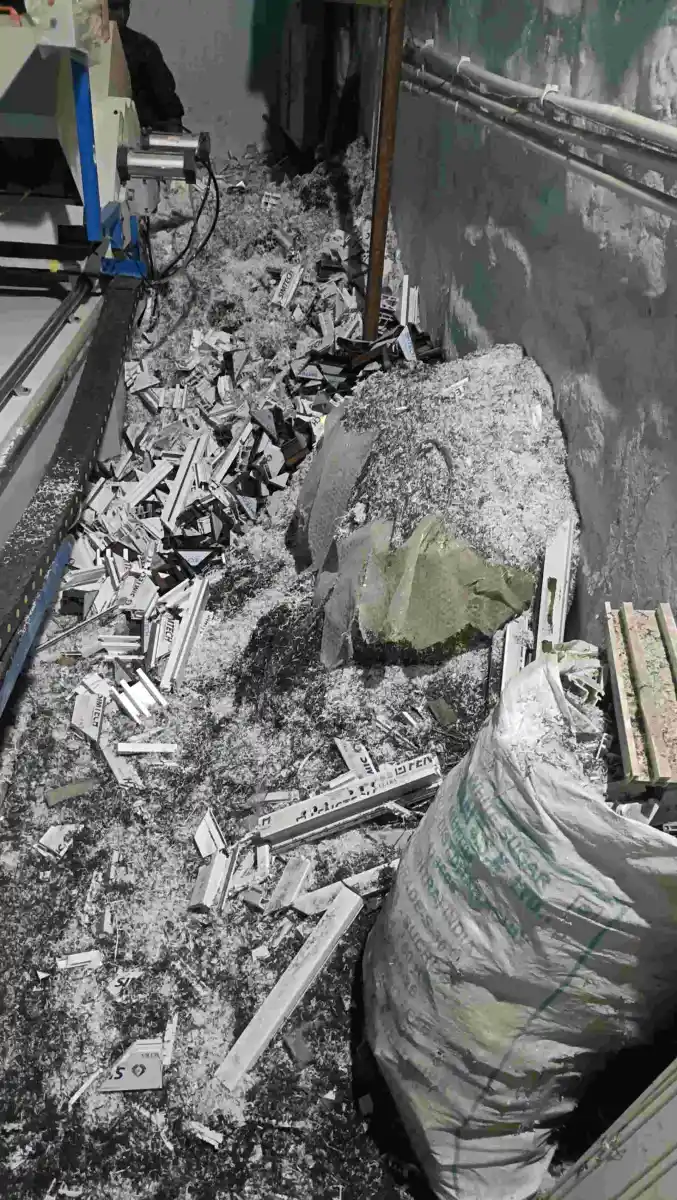
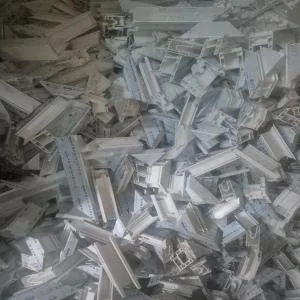
- Collect, sort, and clean old UPVC
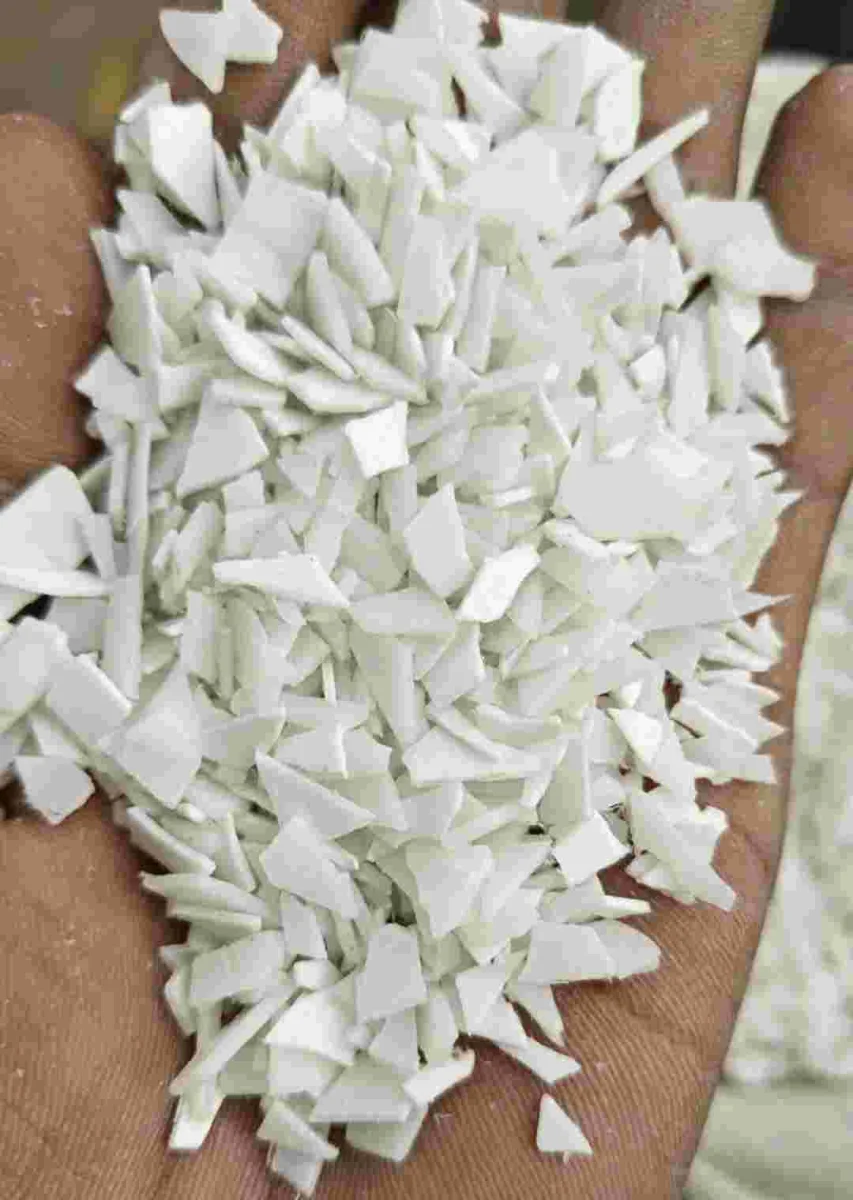
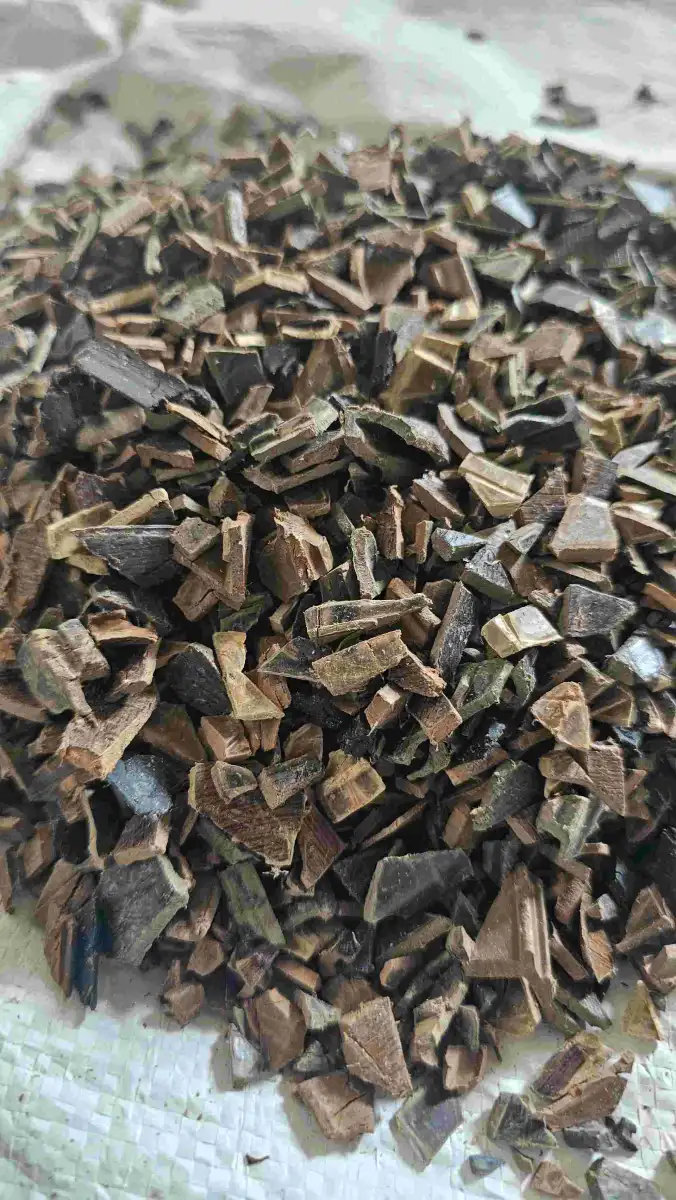
- Grind and shred it down
- Melt and process it again
- Turn it into new pipes, windows, panels, conduits, or sheets
Look for the PVC recycling code—♵ (Number 3 Plastic).
8. Where to Find UPVC Buyers, Suppliers, Manufacturers
Want to buy or sell UPVC? Check out:
- Plastic4trade
- Alibaba
- IndiaMART
- TradeIndia
Or meet people face-to-face at:
- Industrial trade shows
- Construction expos
- Local business directories
9. Major UPVC Raw Material Manufacturers
In India:
- Finolex Industries
- Supreme Industries
- Astral Limited
- Prince Pipes and Fittings
- Ashirvad Pipes
International names:
- Aliaxis Group (Belgium)
- Georg Fischer (Switzerland)
- Formosa Plastics (Taiwan)
- Orbia (Mexico)
- REHAU Group (Germany)
10. UPVC Market Overview
Demand for UPVC just keeps growing, especially as cities expand and people need affordable, durable building materials.
The biggest markets:
Asia Pacific
Europe
North America
Middle East
Why it’s hot:
- More construction, more infrastructure, more homes
- People need pipes that last (and don’t rust)
- Builders like materials that don’t need constant fixing
Challenges:
- People worry about plastic waste and the environment
- Raw material costs are all over the place
- Competing plastics (like CPVC, HDPE) keep nudging in
11. UPVC Properties and Specs
What you get with UPVC:
- Density: 1.35–1.45 g/cm³
- Tensile strength: 40–55 MPa
- Top-notch chemical and corrosion resistance
- Barely soaks up water
- Good electrical insulation
- Handles the weather
- A service life that runs for decades
It’s strong, stable, and doesn’t ask for much in return—no wonder it’s so popular.
12. Pros and Cons
Pros:
- Strong and rigid
- Won’t rust or corrode
- Handles weather like a champ
- Lasts for years
- Maintenance? Hardly any.
- Saves energy with good insulation
- Recyclable
Cons:
- Not biodegradable
- Doesn’t take high heat as well as some plastics do
- Gets brittle in freezing temps
- Zero flexibility—it’s solid, not bendy
Conclusion
UPVC is now a staple for modern construction, plumbing, and countless industrial uses. It’s behind everything from the pipes in our walls to energy-smart windows that cut your heating bills. Durable, efficient, and everywhere—UPVC’s not going anywhere soon.