
Complete Guide on Biopolymers: Types, Applications, Properties, and Market Trends
1. What are Biopolymers? | Definition
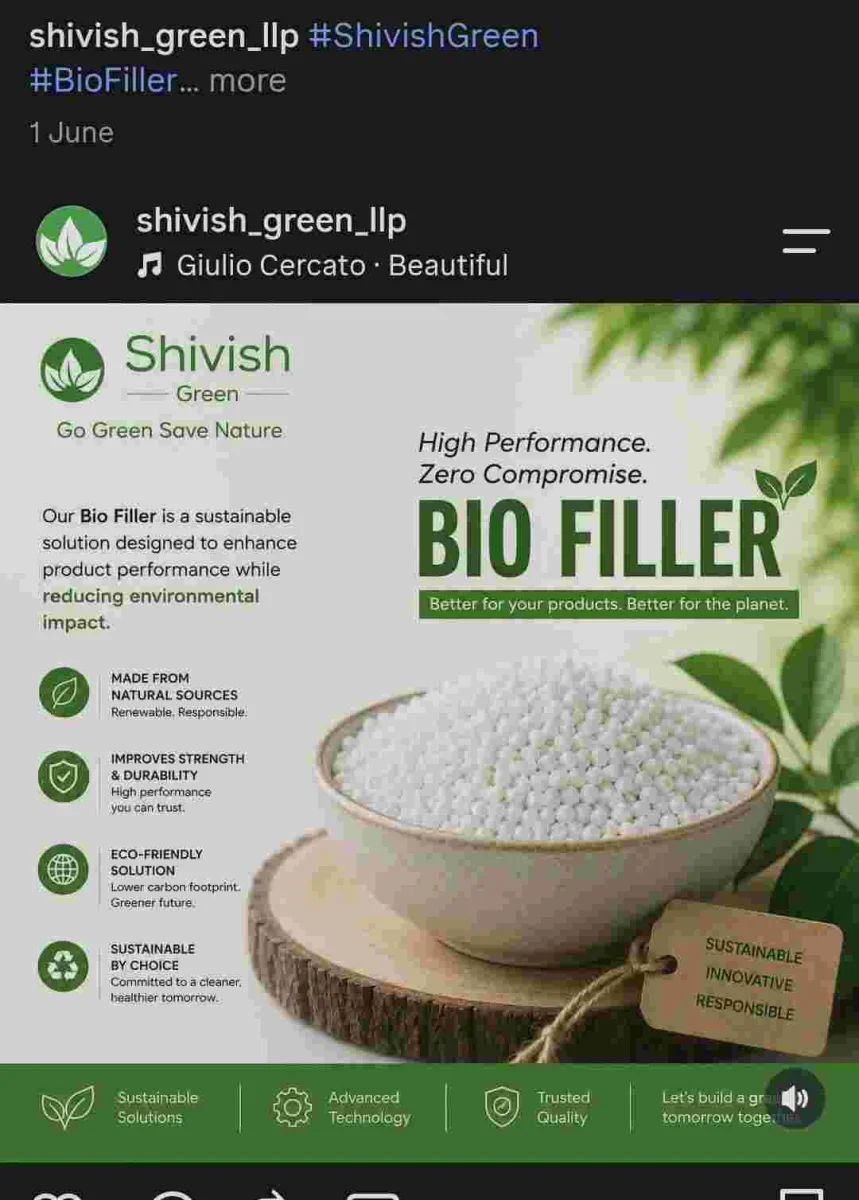
Biopolymers are a class of materials made from renewable biological sources and are often biodegradable or compostable. Unlike conventional plastics derived from petroleum, biopolymers offer a sustainable solution to plastic pollution.
They include natural polymers (e.g., starch, cellulose, proteins) and synthetic bioplastics like PLA, PHA, PBAT, and more.
2. Types of Biopolymers
| Type | Examples | Source |
|---|---|---|
| PLA | Polylactic Acid | Corn starch, sugarcane |
| PHA | Polyhydroxyalkanoates | Bacteria-fermented oils |
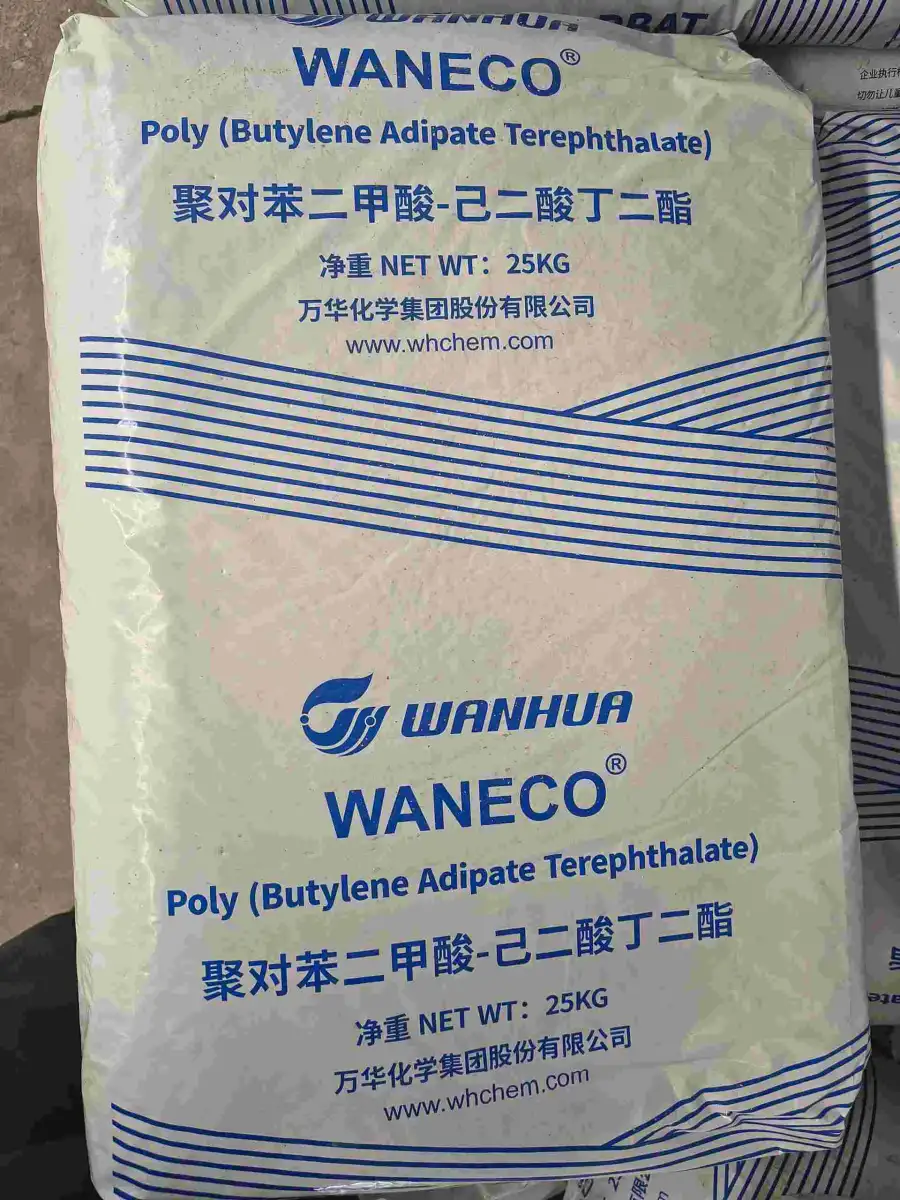
| PBAT | Polybutylene adipate terephthalate | Petroleum + biodegradable |
| Starch-Based | Thermoplastic starch (TPS) | Potato, maize, tapioca |
| Cellulose-Based | Cellophane, rayon | Wood pulp, cotton |
| Protein-Based | Soy protein, casein-based polymers | Milk, soy, wheat |
3. Applications of Biopolymers
-
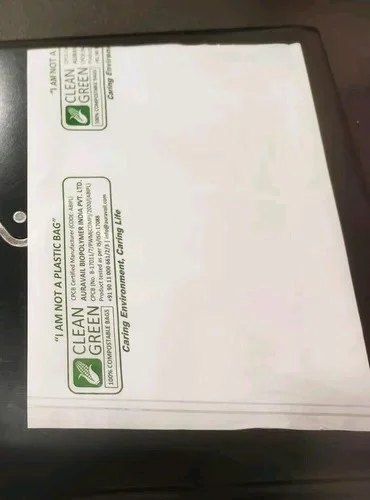
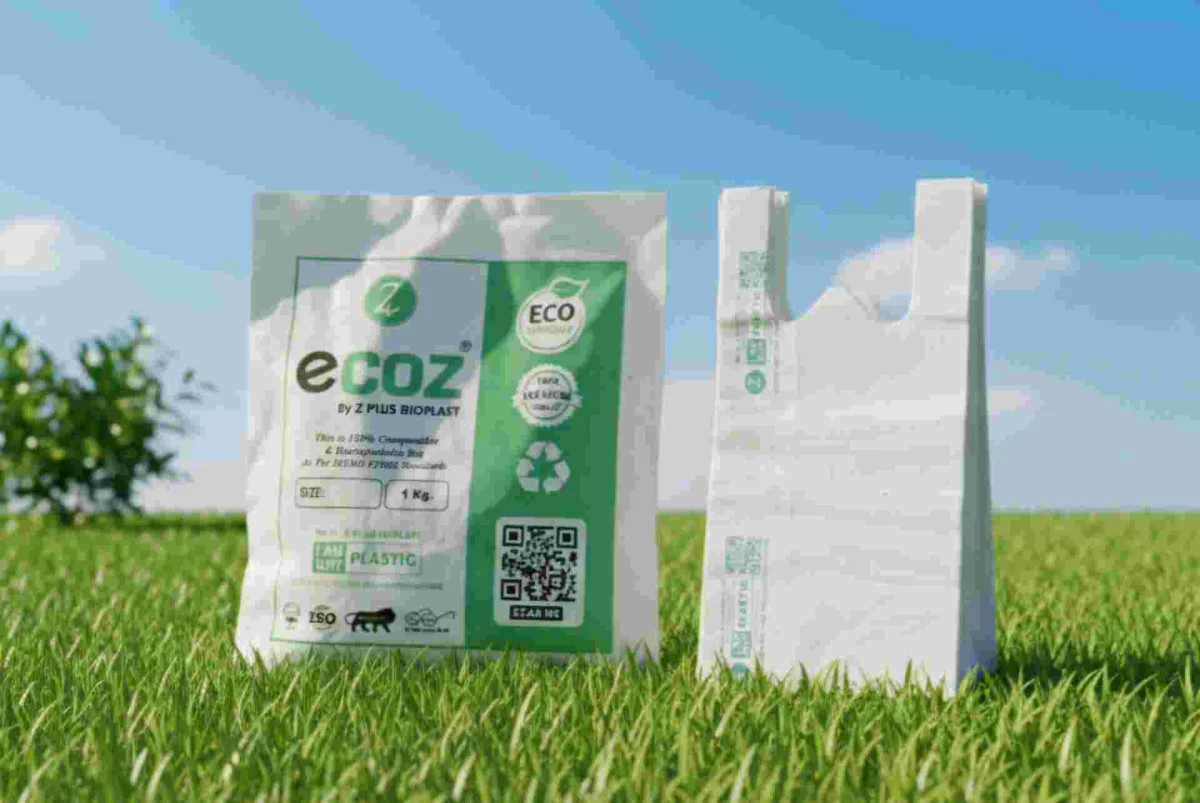
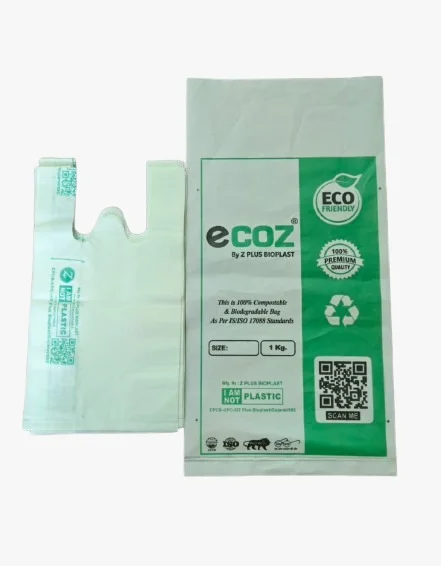
Packaging: Biodegradable films, bags, containers
-
Agriculture: Mulch films, seed coatings, planting trays
-
Food Industry: Disposable cutlery, food wrappers
-
Medical: Sutures, drug delivery, implants
-
Textiles: Biopolymer-based fibers and threads
-
3D Printing: PLA filaments
-
Cosmetics: Sustainable packaging tubes, jars
4. Advantages of Biopolymers
✅ Made from renewable resources
✅ Biodegradable and compostable
✅ Reduces carbon footprint
✅ Safer for food contact applications
✅ No toxic by-products during degradation
✅ Suitable for circular economy and zero-waste goals
5. Limitations of Biopolymers
❌ Generally more expensive than petro-based plastics
❌ May require industrial composting for full degradation
❌ Mechanical and thermal properties vary
❌ Limited barrier properties in food packaging applications
6. Biopolymer Properties (Typical for PLA)
| Property | Value |
|---|---|
| Density | 1.25 g/cm³ |
| Tensile Strength | 50–70 MPa |
| Melting Point | 150–160°C |
| Biodegradability | Yes (in composting conditions) |
| Food Contact Safe | Yes |
7. Biopolymer Manufacturing Process
-
Feedstock Collection – Corn, sugarcane, or oils
-
Fermentation – Microorganisms convert sugars to monomers
-
Polymerization – Monomers are turned into biopolymers (e.g., PLA)
-
Forming – Via injection molding, film extrusion, or 3D printing
8. Recycling and Disposal
-
Compostable – Breaks down into CO₂, water, biomass
-
Mechanical Recycling – Limited in current infrastructure
-
Chemical Recycling – Emerging technologies for depolymerization
-
Landfill Safe – Some biopolymers degrade even in anaerobic conditions
9. Top Biopolymer Manufacturers
India:
-
NatureWorks India
-
EnviGreen Biotech
-
Kaneka India Pvt Ltd
-
Earthware
Global:
-
NatureWorks LLC (USA - PLA)
-
BASF (Germany - Ecovio PBAT)
-
Total Corbion PLA (Netherlands)
-
Danimer Scientific (PHA - USA)
-
Novamont (Italy - Mater-Bi)
10. Market Insights & Growth
-
Global Market Size: USD 14+ Billion by 2030
-
Growth Rate: ~13% CAGR
-
Driving Factors:
-
Single-use plastic bans
-
Government subsidies
-
Eco-conscious consumers
-
Brand sustainability goals
-
11. Trade Biopolymers on Plastic4trade
-
Post buy offers for bioplastic granules, films, scrap
-
List biopolymer products for sale (PLA granules, PHA, PBAT blends)
-
Connect with global and Indian manufacturers and buyers
-
Explore partnerships for green packaging, OEM, or private labels
Conclusion
Biopolymers are at the forefront of the plastic industry's shift toward sustainability. Their eco-friendly nature, versatility, and rising demand across industries make them an essential category for future-ready businesses. Whether you're a buyer, seller, or manufacturer, Plastic4trade is your platform to connect, trade, and grow in the biopolymer market.
SEO Keywords
buy biopolymers online, PLA granules suppliers, PBAT manufacturers India, biodegradable plastic dealers, bioplastic scrap buyers, compostable polymers sellers, eco-friendly packaging material, PHA resin exporters, starch-based bioplastics trade