All About EPE (Expanded Polyethylene): Types, Uses, Manufacturing, Market, Recycling, Facts, and Information
1. What is EPE? | Full Form and Definition
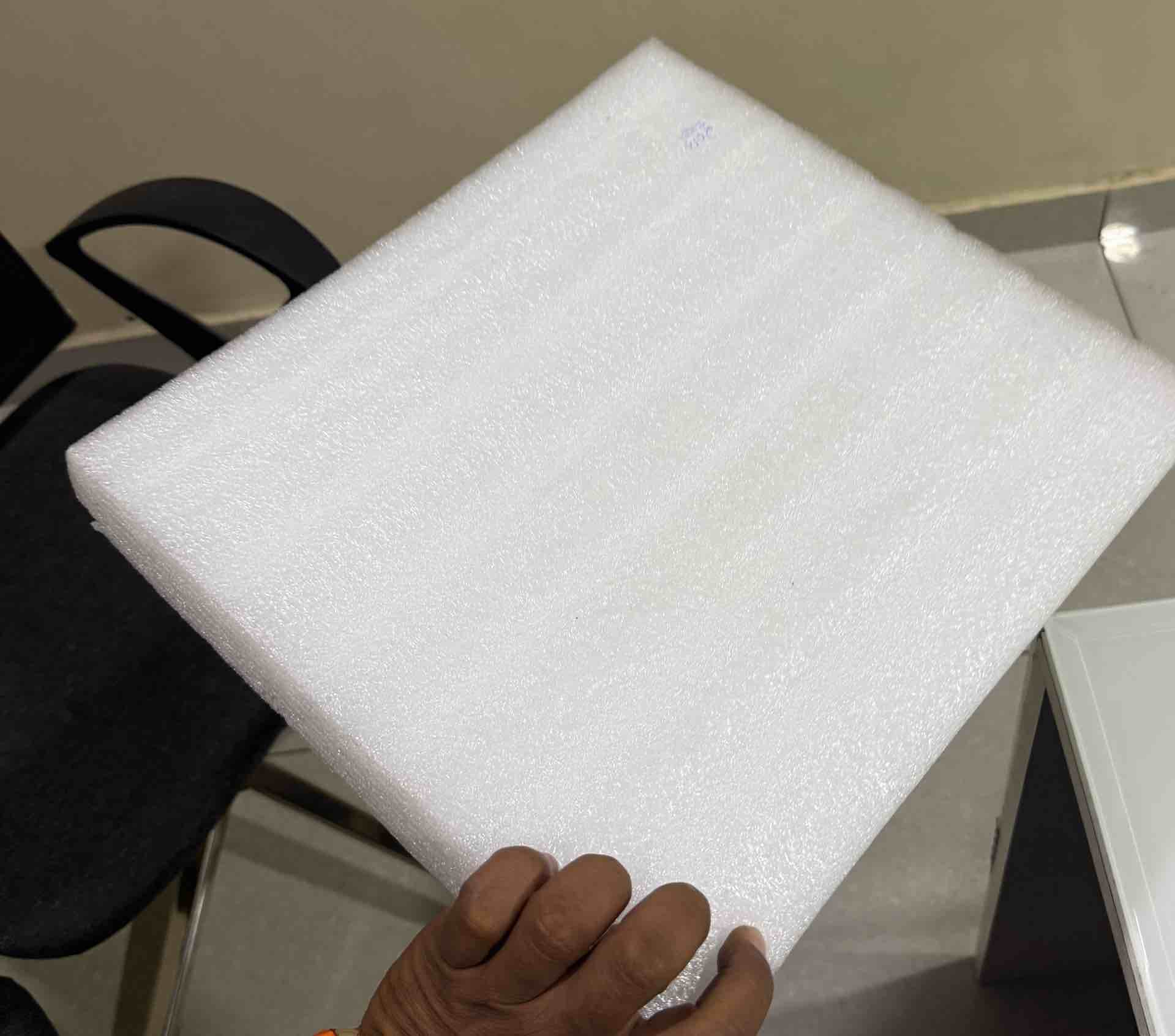
EPE stands for Expanded Polyethylene. It's a lightweight, closed-cell foam made from polyethylene resin. You’ll see it everywhere—packaging, insulation, cushions, cars, construction, even sports gear and industrial products. What sets EPE apart is its flexibility and toughness. It does a great job soaking up shock, keeps out moisture, handles temperature changes, and doesn’t weigh much at all.
People rely on EPE foam because it’s great at protecting products from bumps, shakes, scratches, and the random hassles of shipping. It bounces back after being squished—unlike rigid kinds of foam. On top of that, it’s affordable and works in all sorts of industries: electronics, furniture, automotive, medical—you name it.
Highlights:
- Super light, closed-cell foam
- Excellent cushion and shock absorption
- Resists moisture and water
- Decent thermal insulation
- Flexible and tough
- Can be recycled
2. EPE Categories, Types, and Grades
Categories:
- Standard EPE Foam: For everyday packaging, cushioning, and insulation.
- Anti-Static EPE Foam: Protects electronics from static.
- Cross-Linked EPE Foam: Stronger and handles heat better.
- Laminated EPE Foam: Layered up for extra performance or good looks.
Types:
- Packaging EPE: For shipping and protecting stuff.
- Insulation EPE: For keeping heat and sound in (or out).
- Automotive EPE: Sits inside cars—panels, pads, and so on.
- Sports EPE: Exercise mats, pads, and protective gear.
- Medical EPE: Soft packaging and protection for medical tools.
- Industrial EPE: Machinery packaging and protection.
Grades:
- Packaging Grade
- Insulation Grade
- High-Density Grade
- Anti-Static Grade
- Cross-Linked Grade
- Automotive Grade
- Industrial Grade
3. EPE Uses, Applications, and Products
EPE pops up everywhere:
- Packaging: Box inserts, cushioning layers, electronic packaging, furniture, appliances
- Automotive & Construction: Door pads, dashboards, insulation sheets, vibration dampers, thermal barriers, gap fillers, soundproofing
- Electronics: Anti-static packaging, parts protection, shipping cushions
- Sports: Safety pads and exercise mats
- Healthcare: Medical packaging and safe transport systems, cushions
- Furniture: Edge guards, inserts, transport safety
People like EPE because it protects well, doesn't weigh much, and keeps costs down.
4. How is EPE Made? Processing Steps
- Pick the raw polyethylene resin.
- Melt and blend it with blowing agents.
- Expand—so the foam forms those tiny, closed cells.
- Cool it down and shape it into sheets, rolls, tubes, or custom profiles.
- Cut and finish to size—whatever the customer wants.
Manufacturing methods include:
- Foam extrusion
- Expansion processing
- Laminating
- Die cutting
- CNC carving
- Thermoforming
These methods let EPE take just about any shape or density.
5. List of EPE Products
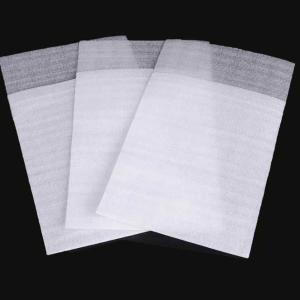
- EPE Foam Sheets: General protective packaging
- Corner Protectors: For furniture and appliances
- Foam Rolls: Industrial packaging
- Exercise Mats: Fitness and sports
- Pipe Insulation: Construction
- Anti-Static Packaging: Electronics
- Automotive Components: Car interiors
- Cushioning Inserts: For safe transport of goods
6. Sustainable Applications and Environmental Considerations
EPE isn’t biodegradable, but it’s tough and you can recycle it, so it doesn’t go to waste as fast. People reuse it over and over, especially for packaging or insulation that lasts for years. When used for shipping, EPE helps cut down fuel costs because it's so light compared to other protective materials.
7. EPE Recycling
You can recycle EPE and turn it into new products.
Here’s how it goes:
- Collect and sort the foam
- Clean it
- Shred it up
- Melt it down and make pellets
Those pellets turn into packaging, plastic goods, construction materials, and more.
If you manage collection and separation right, recycling gets easier and more efficient.
8. Where to Find EPE Suppliers and Buyers
Try these:
- Plastic4trade
- IndiaMART
- TradeIndia
You can also meet suppliers or buyers at packaging expos, foam and construction trade shows, logistics events, or just network on LinkedIn.
9. Key EPE Manufacturers
In India:
- Supreme Industries Limited
- Jolly Foam Industries
- Other polyethylene foam makers and packaging suppliers
Worldwide:
- Sealed Air Corporation (USA)
- JSP Corporation (Japan)
- Zotefoams Plc (UK)
- Armacell International (Luxembourg)
- Pregis LLC (USA)
10. EPE Market Overview
EPE demand keeps climbing, mostly because more products need safe shipping—and industries like electronics, automotive, healthcare, and construction keep growing. Asia-Pacific, North America, and Europe are the main hotspots.
Growth drivers:
- E-commerce is booming, so more packaging
- More electronics production
- More cars being built
- Packaging needs are everywhere
- Construction needs insulation
11. EPE Properties
Property – Performance
- Density: Low
- Shock Absorption: Excellent
- Water Resistance: Excellent
- Thermal Insulation: Good
- Flexibility: High
- Chemical Resistance: Good
- Weight: Lightweight
- Durability: High
EPE is prized for the way it cushions, its flexibility, its insulation properties, and its resistance to water.
12. Advantages & Disadvantages of EPE
Advantages:
- Great at protecting from bumps and drops
- Light and flexible
- Repels water and moisture
- Insulates against heat and cold
- You can use it again and recycle it
- Cuts and shapes easily
Disadvantages:
- Won’t break down naturally in the wild
- Doesn’t handle extreme heat
- Certain chemicals can eat into it
- Needs a recycling system in place
Conclusion
EPE (Expanded Polyethylene) is everywhere—packaging, insulation, cars, electronics, medical, construction—you name it. It’s the go-to pick if you need something that cushions, insulates, survives the trip, and doesn’t add much weight. As companies keep looking for reliable, affordable, recyclable materials, EPE holds its place as a major player in both industry and commerce.