
add_location

Filters


Supplier for EPS in Khordha

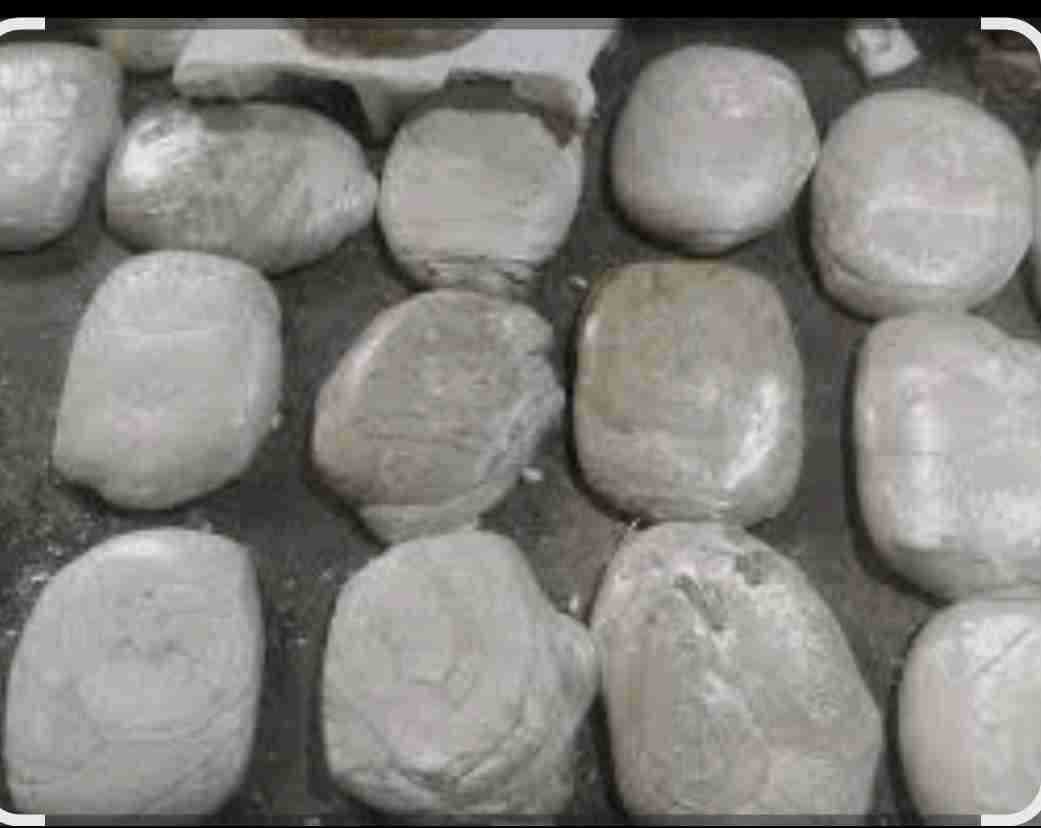
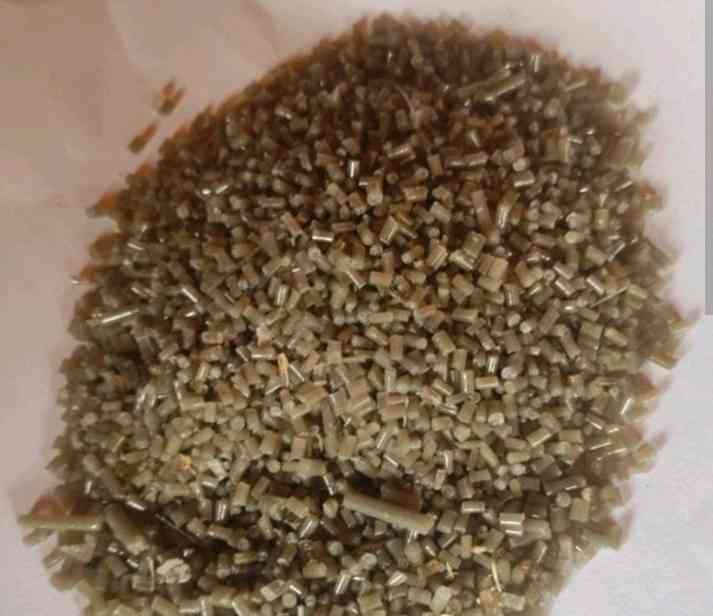
EPS GRANULES REPROCESS EPS Reprocess Granule Blow Injection Molding Extrusion kolkata west bengal india Plastic4trade

โ‚น 75

EPS GRANULES REPROCESS

EPS | Blow, Injection Molding, Extrusion

West Bengal, India

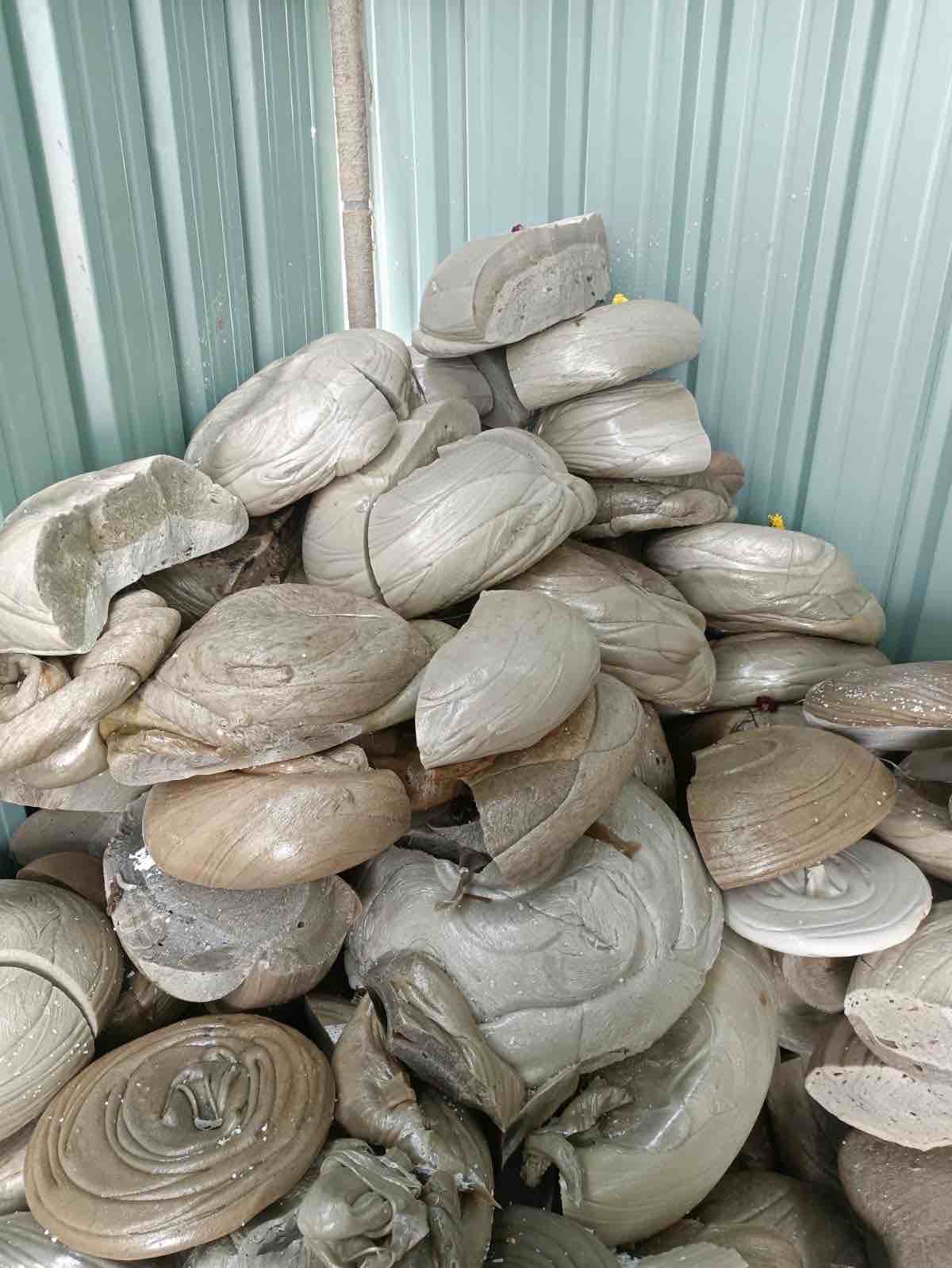
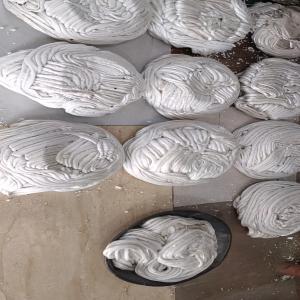
THARMA CALL  GULLA EPS Lumps Thermoforming chennai tamil nadu india Plastic4trade

โ‚น 70

THARMA CALL GULLA

EPS | Thermoforming

Tamil Nadu, India

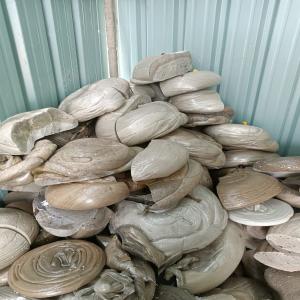
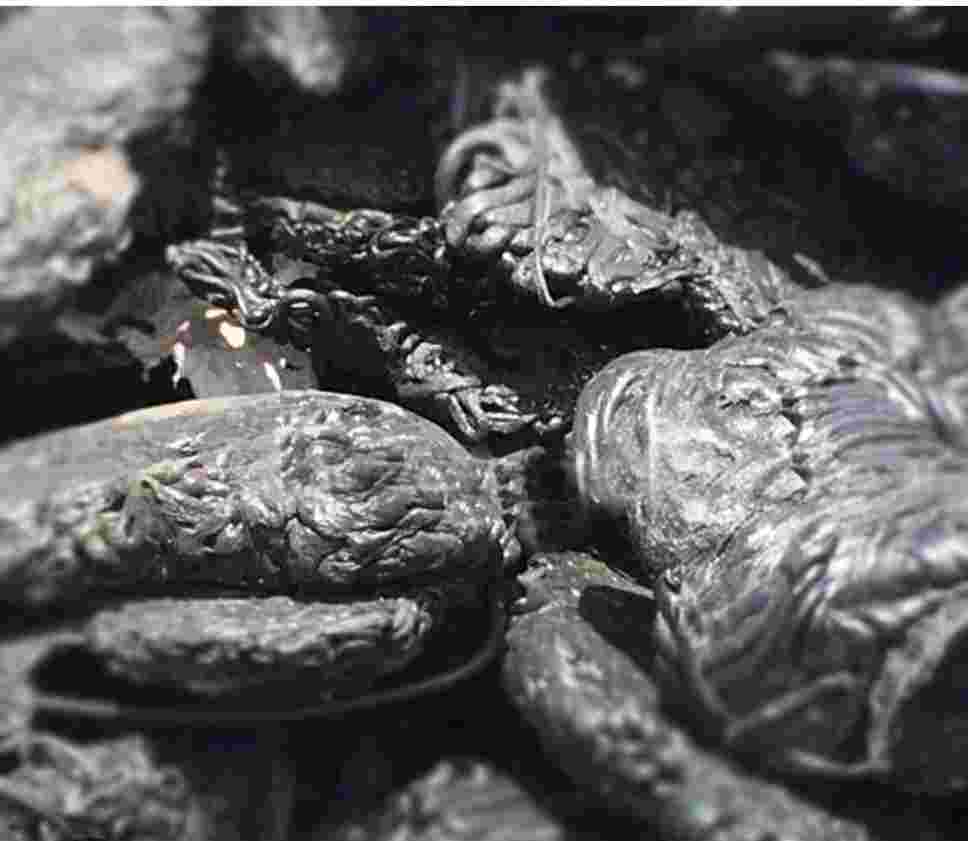
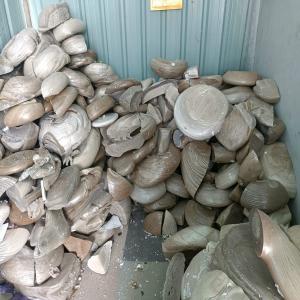
THARMA CALL GULLA EPS LUMPS EPS Lumps Injection Molding firozabad uttar pradesh india Plastic4trade

โ‚น 100

THARMA CALL GULLA EPS LUMPS

EPS | Injection Molding

Uttar Pradesh, India

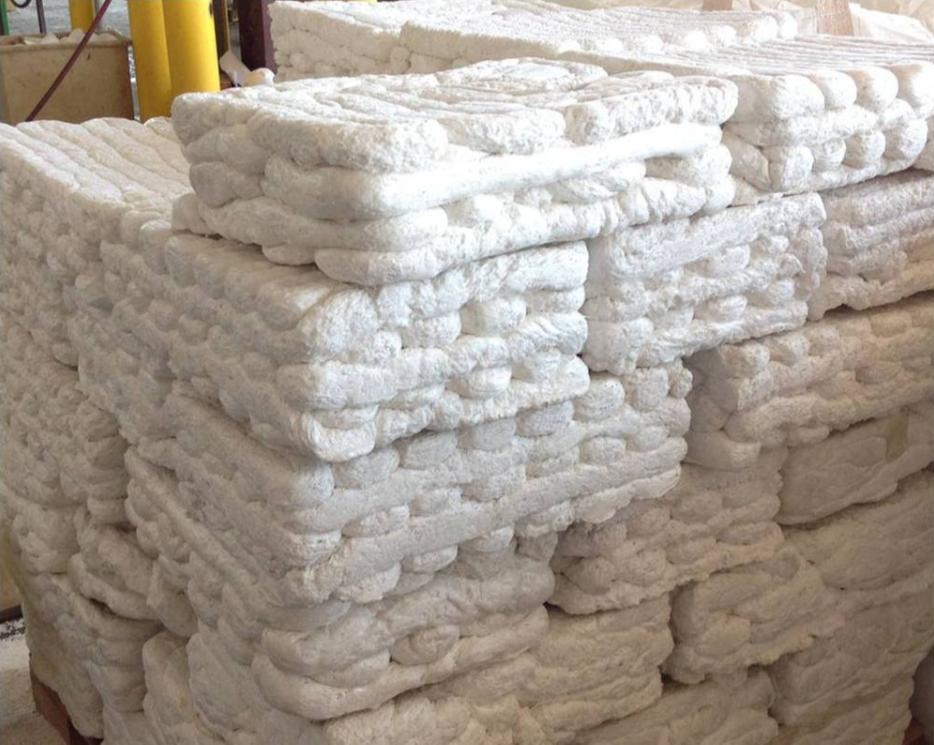
EPS LUMPS EPS Lumps Thermoforming bengaluru karnataka india Plastic4trade

โ‚น 66

EPS LUMPS

EPS | Thermoforming

Karnataka, India

THERMOCOL LUMPS EPS Lumps Injection Molding bengaluru karnataka india Plastic4trade

โ‚น 62

THERMOCOL LUMPS

EPS | Injection Molding

Karnataka, India

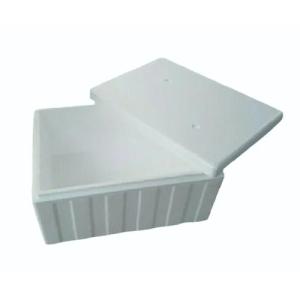
THERMOCOL PACKAGING BOX EPS Finish Goods Injection Molding Thermoforming greater noida uttar pradesh india Plastic4trade

โ‚น 55

THERMOCOL PACKAGING BOX

EPS | Injection Molding, Thermoforming

Uttar Pradesh, India

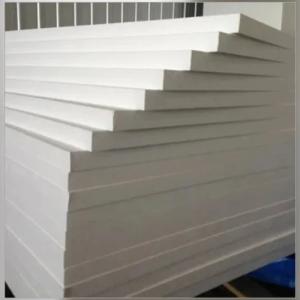
THERMOCOL PACKAGING SHEET EPS Finish Goods Thermoforming greater noida uttar pradesh india Plastic4trade

โ‚น 25

THERMOCOL PACKAGING SHEET

EPS | Thermoforming

Uttar Pradesh, India

THERMOCOL GULLA WHITE EPS Lumps Extrusion dadri uttar pradesh india Plastic4trade

โ‚น 80

THERMOCOL GULLA WHITE

EPS | Extrusion

Uttar Pradesh, India

Buyer for EPS in Khordha

EPS EPS Prime/Virgin Thermoforming barrackpore west bengal india Plastic4trade

โ‚น 1000000

EPS

EPS | Thermoforming

West Bengal, India

EPS LUMPS EPS Lumps Thermoforming bhopal madhya pradesh india Plastic4trade

โ‚น 40

EPS LUMPS

EPS | Thermoforming

Madhya Pradesh, India

THERMOCOL LUMP ( EPS LUMP) EPS Lumps Thermoforming bhopal madhya pradesh india Plastic4trade

โ‚น 35

THERMOCOL LUMP ( EPS LUMP)

EPS | Thermoforming

Madhya Pradesh, India

EPS LUMPS EPS Lumps Thermoforming bengaluru karnataka india Plastic4trade

โ‚น 62

EPS LUMPS

EPS | Thermoforming

Karnataka, India

EPS WHITE GRINDING EPS Grinding Injection Molding jaipur rajasthan india Plastic4trade

โ‚น 75

EPS WHITE GRINDING

EPS | Injection Molding

Rajasthan, India

EPS COLORD GRANULES EPS Reprocess Granule Injection Molding new delhi delhi india Plastic4trade

โ‚น 70

EPS COLORD GRANULES

EPS | Injection Molding

Delhi, India

EPS MILKY WHITE DANA EPS Reprocess Granule Injection Molding new delhi delhi india Plastic4trade

โ‚น 75

EPS MILKY WHITE DANA

EPS | Injection Molding

Delhi, India

EPS NATURAL REPROCESS GRANULES EPS Reprocess Granule Injection Molding new delhi delhi india Plastic4trade

โ‚น 80

EPS NATURAL REPROCESS GRANULES

EPS | Injection Molding

Delhi, India

All About EPS (Expanded Polystyrene): Types, Uses, Manufacturing, Market, Recycling, Facts and Information


1. What is EPS? | Full Form and Definition


The full form of EPS is Expanded Polystyrene, a lightweight closed-cell foam material manufactured from polystyrene resin and widely used in packaging, insulation, construction, cold storage, appliances, and protective cushioning applications. The Definition of EPS is a rigid cellular plastic foam created by expanding polystyrene beads using heat and steam to produce a lightweight structure with excellent thermal insulation and shock absorption properties.


EPS is one of the most commonly used foam plastics because of its low weight, cost-effectiveness, insulation capability, and protective performance. It is widely recognized in the packaging and construction industries for applications where thermal insulation, impact resistance, and lightweight handling are important.
Due to its excellent cushioning properties, EPS is commonly used for protecting electronics, appliances, fragile goods, and industrial products during transportation.


Highlights:


  • Extremely lightweight foam material
  • Excellent thermal insulation
  • Strong shock absorption capability
  • Moisture-resistant structure
  • Cost-effective packaging solution
  • Widely used in construction and packaging


2. EPS Category, Types, and Grades


Categories:


  • White EPS is the standard form commonly used in packaging and insulation applications.
  • Grey EPS contains graphite additives for improved thermal insulation performance.
  • Flame-retardant EPS is manufactured with fire-resistant additives for construction and industrial applications.
  • High-Density EPS provides increased strength and load-bearing capability.


Types of EPS:


  • Packaging Grade EPS: Used for protective packaging and cushioning
  • Construction Grade EPS: Used for insulation panels and building systems
  • Geofoam EPS: Used in civil engineering and infrastructure projects
  • Food Packaging Grade EPS: Used for food trays, cups, and insulated containers
  • Industrial Insulation EPS: Used in cold storage and thermal insulation systems


Grades:


  • Insulation Grade
  • Packaging Grade
  • High-Density Grade
  • Flame Retardant Grade
  • Geofoam Grade
  • Food Contact Grade


3. EPS Uses, Applications, and Products


The Uses of EPS in:


  • Packaging Industry: Protective packaging for electronics, appliances, medical equipment, and fragile products
  • Construction Industry: Thermal insulation panels, wall insulation, roofing insulation, floor insulation
  • Food Service Industry: Disposable cups, trays, food containers, insulated packaging
  • Cold Storage Industry: Refrigerated storage systems and thermal insulation chambers
  • Infrastructure Projects: Lightweight geofoam blocks for roads, bridges, embankments, and railway systems
  • Appliance Industry: Refrigerator insulation and protective transport packaging
  • Medical Industry: Temperature-controlled medical packaging systems
  • EPS is widely preferred because it combines lightweight performance with excellent insulation and impact protection.


4. How is EPS Manufactured or Made | Processing Steps


EPS Production Process:


  • Polystyrene Bead Preparation: Polystyrene resin beads containing blowing agents are prepared.
  • Pre-Expansion: Beads are heated with steam, causing them to expand and form lightweight foam particles.
  • Stabilization: Expanded beads are cooled and stabilized to achieve a uniform structure.
  • Molding Process: The beads are placed into molds and reheated with steam to fuse them into desired shapes.
  • Cutting and Finishing: EPS blocks or molded products are cut, shaped, and processed according to application requirements.


Product Manufacturing Methods:


  • Steam Expansion
  • Block Molding
  • Shape Molding
  • CNC Cutting
  • Thermoforming
  • EPS manufacturing systems are optimized for lightweight production and efficient thermal insulation performance.


5. List of EPS-Made Goods and Finished Products


Product

Application

EPS Protective Packaging

Electronics and appliances

EPS Insulation Boards

Building construction

EPS Food Containers

Food service industry

EPS Geofoam Blocks

Infrastructure projects

EPS Refrigeration Insulation

Cold storage systems

EPS Ceiling Panels

Construction interiors

EPS Disposable Cups

Beverage packaging

EPS Cushioning Inserts

Transport protection


6. EPS Biodegradable Uses and Sustainable Applications


Standard EPS is not biodegradable. However, its lightweight structure helps reduce transportation energy consumption and material usage in packaging systems.


Sustainable EPS Applications:


  • Energy-efficient building insulation
  • Lightweight protective packaging
  • Reusable industrial cushioning systems
  • Infrastructure lightweight fill systems

Note: EPS insulation materials help reduce energy consumption in buildings by improving thermal efficiency.


7. EPS Recycling Information


EPS can be recycled and reprocessed into new industrial and packaging products.


Recycling Process:


  1. Collection
  2. Sorting
  3. Compaction or Densification
  4. Grinding and Shredding
  5. Melt Processing
  6. Pellet Manufacturing


Recycled EPS Products:


  • Insulation products
  • Picture frames
  • Industrial molded products
  • Plastic sheets
  • Packaging materials


Recycling Information:


Because EPS is lightweight and bulky, densification is commonly used to improve transportation and recycling efficiency.


8. Find EPS Buyers, Suppliers, Manufacturers, Exporters, Importers


Best Platforms to Find EPS Suppliers and Buyers:


  • Plastic4trade
  • Alibaba
  • IndiaMART
  • TradeIndia
  • Made-in-China
  • Global Sources


Other Methods:


  • Packaging exhibitions
  • Construction material trade fairs
  • Insulation industry expos
  • Infrastructure conferences
  • LinkedIn business networking


9. EPS Raw Material Manufacturers (India and Overseas)


Major EPS Manufacturers - India:


  • Supreme Petrochem Ltd.
  • BASF India
  • Styrene polymer manufacturers
  • Packaging foam producers
  • Major EPS Manufacturers - Overseas:
  • BASF SE (Germany)
  • Synthos S.A. (Poland)
  • Alpek S.A.B. de C.V. (Mexico)
  • TotalEnergies (France)
  • SABIC (Saudi Arabia)


10. EPS Market Analysis

  • The global EPS market is growing steadily because of increasing demand from construction insulation, protective packaging, cold storage, and infrastructure development sectors.


Major Demand Regions:


  • Asia-Pacific
  • North America
  • Europe
  • Middle East


Growth Drivers:


  • Rising demand for thermal insulation materials
  • Growth in e-commerce protective packaging
  • Expansion of cold chain logistics systems
  • Increasing infrastructure development projects
  • Demand for lightweight packaging materials


Challenges:


  • Environmental concerns regarding foam plastic waste
  • Recycling collection difficulties
  • Regulatory restrictions on single-use foam products
  • Competition from alternative sustainable materials


11. EPS Properties and Technical Data Sheet Report


Property

Typical Performance

Density

Very Low

Thermal Insulation

Excellent

Shock Absorption

Excellent

Moisture Resistance

Good

Weight

Extremely Lightweight

Compression Strength

Moderate

Chemical Resistance

Moderate

Processability

Excellent


EPS is highly valued for its lightweight structure, insulation performance, and cushioning capability.


12. Advantages & Disadvantages of EPS


Advantages (Pros):


  • Lightweight and easy to handle
  • Excellent thermal insulation
  • Strong cushioning performance
  • Cost-effective material
  • Moisture-resistant structure
  • Widely available and versatile


Disadvantages (Cons):


  • Not naturally biodegradable
  • Bulky waste volume
  • Limited heat resistance
  • Environmental concerns regarding disposal
  • Can be damaged by certain solvents


Conclusion


EPS (Expanded Polystyrene) remains one of the most widely used foam materials across packaging, construction, insulation, food service, cold storage, and infrastructure industries. Its combination of lightweight structure, thermal insulation, shock absorption, and cost efficiency makes it highly suitable for modern industrial and commercial applications. As industries continue focusing on energy efficiency, product protection, and lightweight material solutions, EPS continues to play a major role in global packaging and construction technologies.


add_circle Add Post