
All About LDPE (Low-Density Polyethylene): Types, Uses, Manufacturing, Market, Recycling & More
1. What is LDPE? | Full Form and Definition
LDPE full form is Low-Density Polyethylene. It is a thermoplastic made from the monomer ethylene, known for its flexibility, clarity, and toughness. LDPE is primarily used in film applications due to its low crystallinity and soft texture.
Highlights:
-
Excellent flexibility and clarity
-
Good moisture resistance
-
Lightweight and chemical-resistant
2. LDPE Plastic Category, Types, and Grades
Categories:
-
Virgin LDPE: Used in food-grade and medical packaging
-
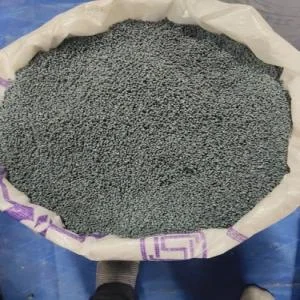
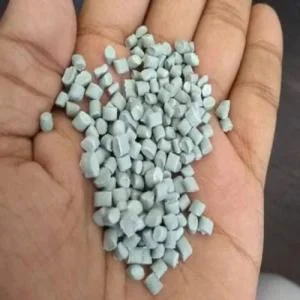
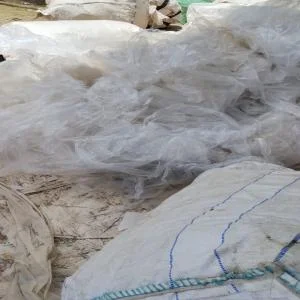
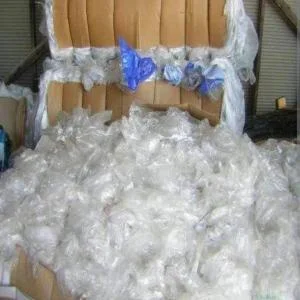
Recycled LDPE (rLDPE): Made from film waste, used in non-critical packaging and agricultural applications
Types of LDPE:
-
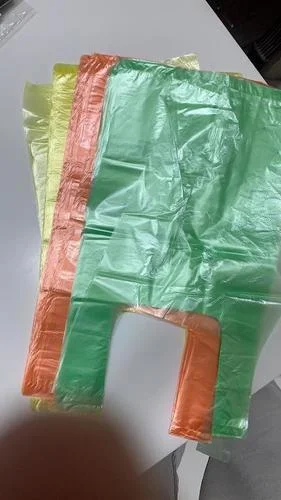
Film Grade: Plastic films, packaging wraps, carry bags
-
Injection Molding Grade: Containers, lids, squeeze bottles
-
Extrusion Grade: Sheets, liners
Grades:
-
General Purpose
-
FDA Approved Food Grade
-
Optical and High-Clarity Grades
3. LDPE (Low-Density Polyethylene) Uses, Applications, Properties, and Products List
LDPE is commonly used in:
-
Packaging: Food wraps, shrink films, bread bags
-
Agriculture: Mulch films, greenhouse covers
-
Construction: Vapor barriers, insulation coatings
-
Consumer Products: Bottles, toys, kitchenware
-
Medical: IV bags, tubing
-
Electrical: Wire and cable insulation
4. How is LDPE Made, Manufactured, or Prepared | Processing Steps
LDPE Production Process:
-
High-pressure polymerization of ethylene using free-radical initiators
-
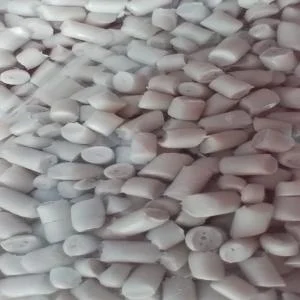
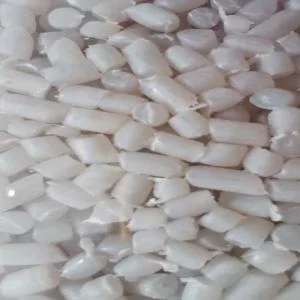
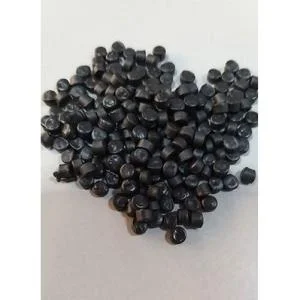
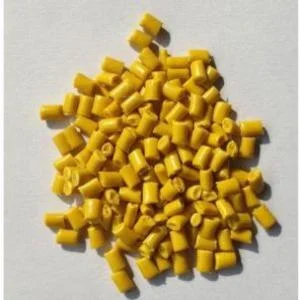
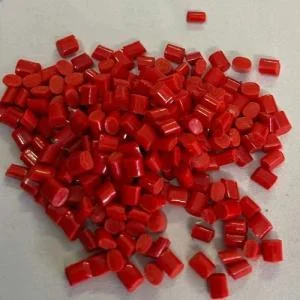
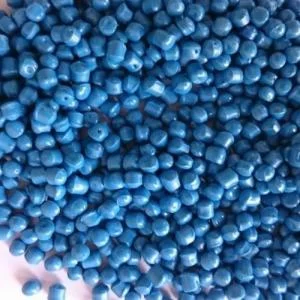
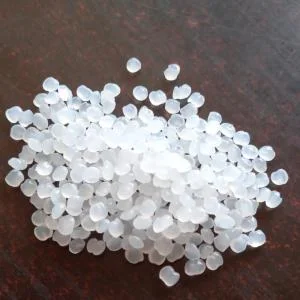
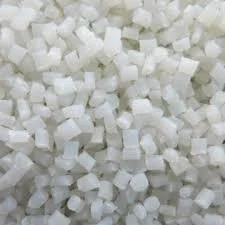
Cooling and pelletizing into LDPE granules
Processing Techniques:
-
Film Extrusion (Blown Film/ Cast Film)
-
Injection Molding
-
Sheet Extrusion
-
Rotational Molding (for flexible containers)
5. List of Finished Products Made from LDPE
| Product | Application |
|---|---|
| LDPE Films | Packaging, carry bags, wrapping films |
| LDPE Sheets | Construction, industrial liners |
| LDPE Bottles | Squeeze bottles, cosmetic packaging |
| LDPE Containers | Food storage, household uses |
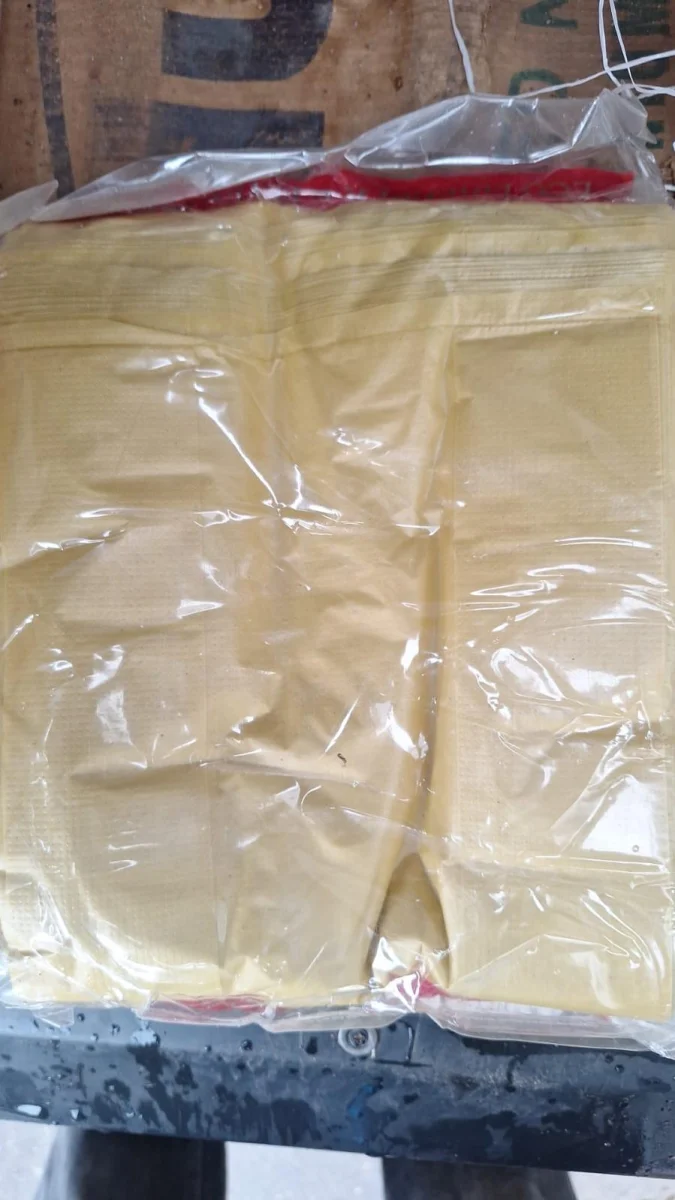
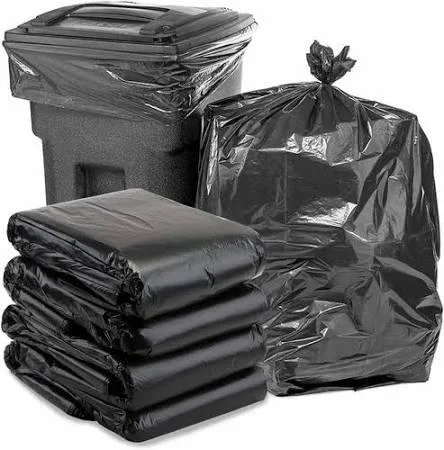
| LDPE Liner Bags | Trash bags, industrial liners |
| LDPE Agricultural Films | Greenhouse covers, mulch films |
| LDPE Toys | Flexible, safe toys |
6. LDPE Plastic Biodegradable Uses and Products
Like HDPE, standard LDPE is not biodegradable, but oxo-degradable or bio-based LDPE options are available.
Biodegradable LDPE Applications:
-
Compostable shopping bags
-
Agricultural films with degradable additives
-
Packaging with bio-fillers
Note: These degrade under sunlight, oxygen, or heat exposure, but not fully in home compost settings.
7. LDPE Plastic Recycling Information
LDPE is recyclable and identified with Plastic #4 (♴).
Recycling Process:
-
Collection
-
Sorting & washing
-
Pelletizing
-
Reuse in film, bags, and molded products
Recycled LDPE Products:
-
Trash bags
-
Composite lumber
-
Pallets
-
Floor tiles
-
Agricultural film
8. Find LDPE Buyers, Suppliers, Manufacturers, Exporters, Importers
Top Platforms:
-
Plastic4trade
-
IndiaMART
-
TradeIndia
Other Sources:
-
PlastIndia, Chinaplas, K-Fair Exhibitions
-
LinkedIn B2B groups
-
Local Plastic Directories
9. LDPE Raw Material Manufacturers (India and Overseas)
Top LDPE Manufacturers – India:
-
Reliance Industries
-
GAIL (India) Ltd.
-
IOCL
-
Haldia Petrochemicals
Top LDPE Manufacturers – Global:
-
ExxonMobil (USA)
-
Dow Chemical (USA)
-
SABIC (Saudi Arabia)
-
LyondellBasell (Netherlands)
-
Borealis (Austria)
10. LDPE Market Analysis
Market Size: ~USD 45-55 Billion (Projected CAGR ~4.8% through 2030)
Key Markets: Asia-Pacific, North America, Europe
Growth Drivers:
-
Rise in flexible packaging demand
-
Growth in agriculture and construction films
-
Surge in e-commerce packaging
Challenges:
-
Environmental concerns around single-use plastic
-
Low recycling rate compared to PET/HDPE
11. LDPE Properties and Technical Report Data Sheet
| Property | Typical Range |
|---|---|
| Density | 0.91 to 0.94 g/cm³ |
| Melt Flow Index (MFI) | 0.2 to 30 g/10 min |
| Tensile Strength | 8 to 17 MPa |
| Elongation at Break | 100% to 650% |
| Flexural Modulus | 200 to 400 MPa |
| Melting Temperature | 105°C - 115°C |
| Chemical Resistance | Moderate to Good |
| Transparency | High (in film grade) |
12. Advantages and Disadvantages of LDPE (Low-Density Polyethylene) | Pros and Cons
Advantages:
-
Flexible and lightweight
-
High clarity (especially in films)
-
Moisture-resistant
-
Chemical resistant
-
Excellent impact resistance
-
Easy to process via extrusion
Disadvantages:
-
Lower strength compared to HDPE
-
Poor UV resistance (needs additives)
-
Flammable
-
Not biodegradable by default
Conclusion
LDPE is a key player in the flexible plastic segment. Its clarity, softness, and processing ease make it ideal for packaging, films, and agricultural uses. Despite environmental challenges, its recyclable nature and applications across sectors make LDPE a critical material in the plastic ecosystem. With increasing demand for flexible and food-safe plastics, the LDPE market shows a stable growth path ahead.