โน 145
MASTERBATCH | Blow, Injection Molding, Film Grade
Dadra and Nagar Haveli and Daman and Diu, India
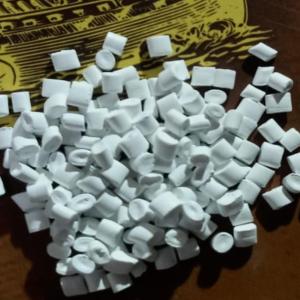
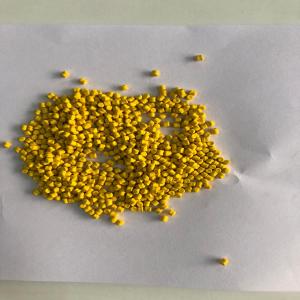
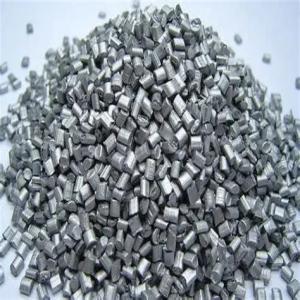
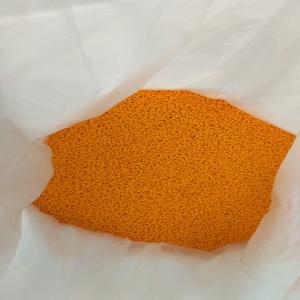
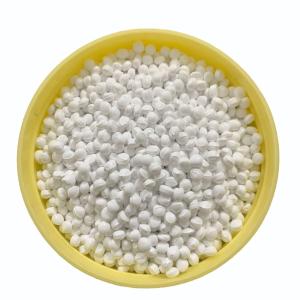
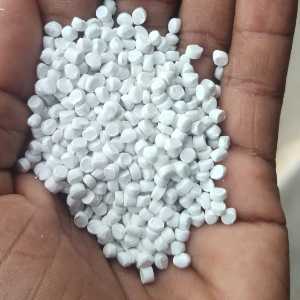
Masterbatch is a concentrated mixture of pigments, additives, fillers, or functional compounds encapsulated into a carrier resin and used in plastic manufacturing to enhance the properties, appearance, or performance of plastic products. A highly concentrated plastic additive system that is supplied in pellet or granule form for simple mixing during plastic production is known as Masterbatch.
Masterbatch is widely used in packaging, automotive, construction, agriculture, textiles, consumer goods, electrical products, and industrial manufacturing industries. It enables producers to effectively incorporate color, fillers, UV protection, flame resistance, anti-static qualities, or unique functional features into plastic items.
Compared to direct powder additives, masterbatch offers better dispersion, cleaner handling, improved consistency, and easier processing during plastic production.
Highlights:
Categories:
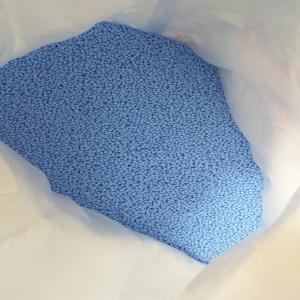
Color Masterbatch is used to provide color and visual effects in plastic products.
Additive Masterbatch enhances specific functional properties such as UV resistance, anti-static behavior, flame retardancy, or antibacterial efficacy.
Filler Masterbatch reduces production cost and improves stiffness using mineral fillers like calcium carbonate or talc.
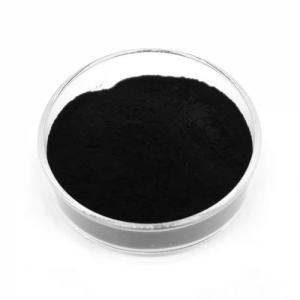
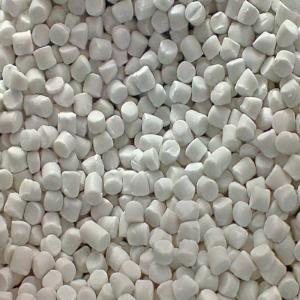
White and Black Masterbatch are widely used standard masterbatch categories for opacity, brightness, UV protection, and coloration.
Types of Masterbatch:
Color Masterbatch: Used to dye plastic goods
Black Masterbatch: Used for UV protection, conductivity, and black coloration
White Masterbatch: Used for brightness, opacity, and whiteness
UV Masterbatch: Protects products from sunlight degradation
Anti-Static Masterbatch: Reduces static electricity buildup
Flame Retardant Masterbatch: Improves fire resistance
Antibacterial Masterbatch: Used in hygiene and healthcare products
Filler Masterbatch: Used to increase mechanical properties and cut costs
Grades:
The Uses of Masterbatch in:
Packaging Industry: Films, pouches, containers, bottles, carry bags, wrappers
Automotive Industry: Interior trims, bumpers, dashboards, wiring systems
Construction Industry: Pipes, sheets, insulation products, fittings
Agriculture: Mulch films, irrigation pipes, greenhouse films
Textile Industry: Synthetic fibers, woven fabrics, nonwoven products
Electrical & Electronics: Appliance housings, cable insulation, connectors
Consumer Products: Furniture, toys, household items, storage products
Masterbatch is used in almost every plastic manufacturing sector because it improves both appearance and functionality.
Masterbatch Production Process:
Raw Material Selection: The needs of the application are taken into consideration while choosing pigments, additives, fillers, and carrier resins.
Premixing: Materials are mixed uniformly before compounding.
Compounding: The mixture is processed through twin-screw or single-screw extruders to achieve proper dispersion.
Cooling and Pelletizing: The compounded material is cooled and cut into granules or pellets.
Quality Testing: Tests are conducted on melt flow, color consistency, dispersion quality, and additive performance.
Product Manufacturing Methods:
Proper dispersion and compatibility between additives and polymer carriers are critical for masterbatch performance.
|
Product |
Application |
|
Colored Plastic Films |
Packaging industry |
|
UV Resistant Pipes |
Agriculture and construction |
|
Black Cable Insulation |
Electrical industry |
|
White Packaging Containers |
Food and consumer products |
|
Anti-Static Plastic Sheets |
Electronics packaging |
|
Flame Retardant Components |
Electrical applications |
|
Filler-Based Woven Bags |
Industrial packaging |
|
Antibacterial Containers |
Healthcare and hygiene |
Masterbatch technology helps improve sustainability by enhancing product durability, reducing polymer consumption, and supporting recyclable plastic systems.
Sustainable Masterbatch Applications:
Note:
Some specialty masterbatches are specifically designed to improve the processing and performance of recycled polymer materials.
7. Masterbatch Recycling Information
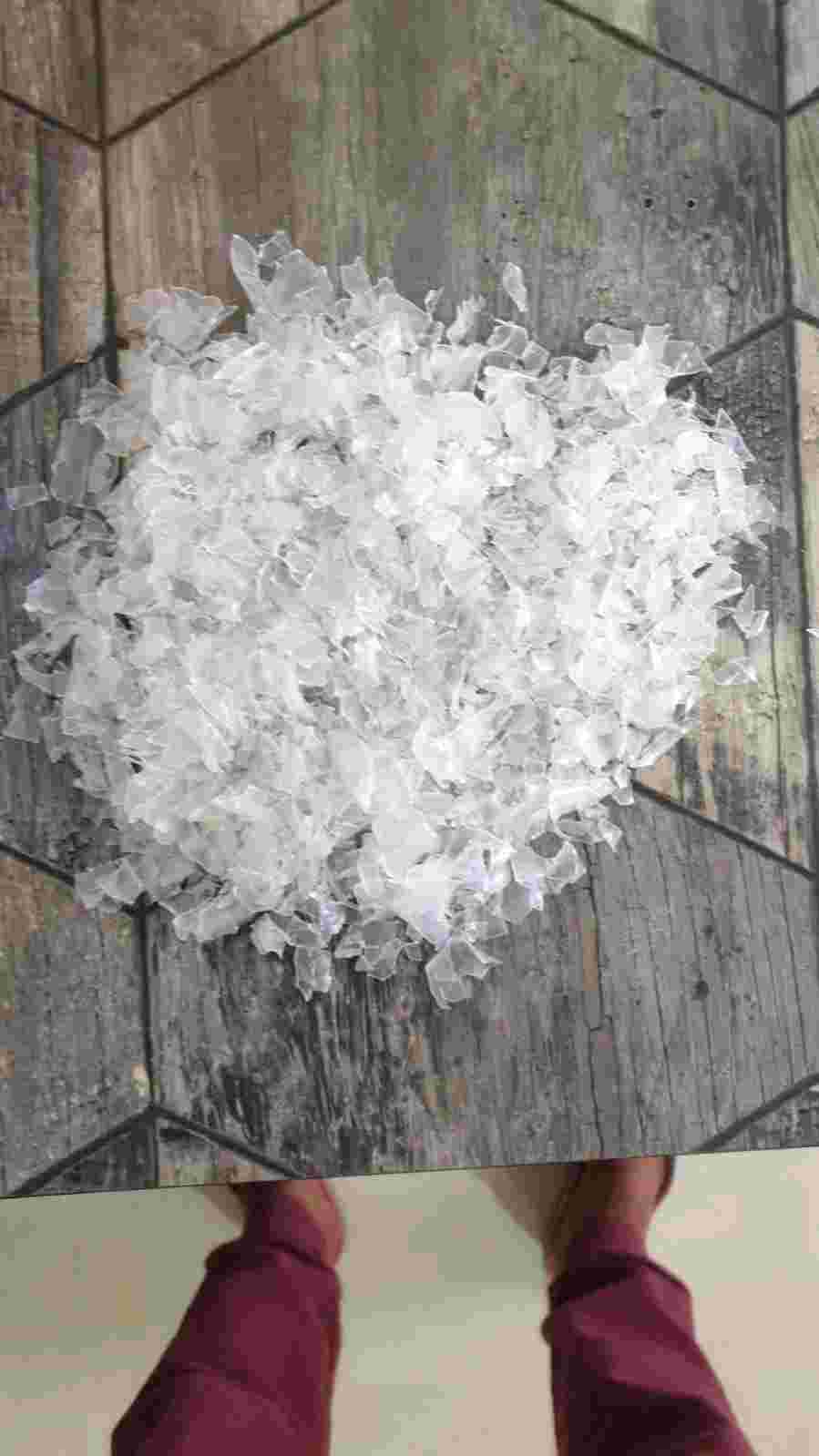
Masterbatch-containing plastics can generally be recycled depending on the polymer type and additive compatibility.
Recycling Process:
Recycled Products:
Recycling Information:
Additives used in masterbatch may influence the color, processing behavior, and performance of recycled plastics.
Best Platforms to Find Masterbatch Suppliers and Buyers:
Other Methods:
Major Masterbatch Manufacturers - India:
Major Masterbatch Manufacturers - Overseas:
The global masterbatch market is growing rapidly because of increasing demand for colored plastics, functional additives, lightweight packaging, and specialty polymer solutions.
Major Demand Regions:
Growth Drivers:
Challenges:
|
Property |
Typical Performance |
|
Dispersion Quality |
Excellent |
|
Color Consistency |
High |
|
UV Stability |
Available |
|
Flame Resistance |
Available in specialty grades |
|
Processability |
Excellent |
|
Compatibility |
Polymer-specific |
|
Additive Efficiency |
High |
|
Shelf Stability |
Good |
Masterbatch is highly valued for improving product appearance, durability, processing efficiency, and functional performance in plastic manufacturing.
Advantages (Pros):
Disadvantages (Cons):
Conclusion
Masterbatch remains one of the most important technologies used in modern plastic manufacturing industries. From packaging and automotive products to construction materials and consumer goods, masterbatch systems help improve appearance, functionality, durability, and production efficiency. With increasing demand for specialty additives, sustainable plastics, and high-performance polymer solutions, masterbatch continues to play a major role in advanced plastic processing and industrial manufacturing worldwide.