All About Masterbatch: What It Is, What It Does, and Why It Matters
1. What’s Masterbatch All About?
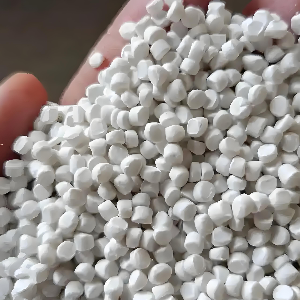
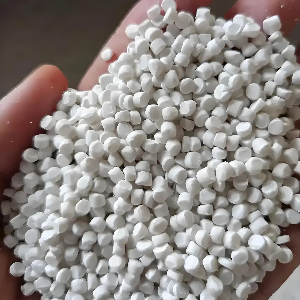
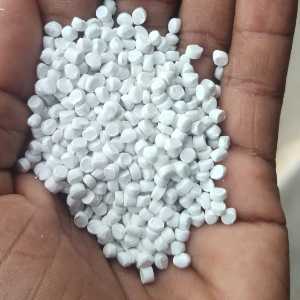
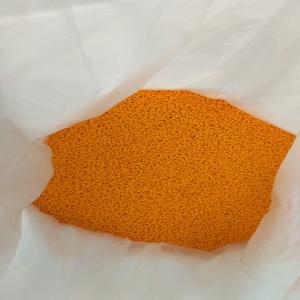
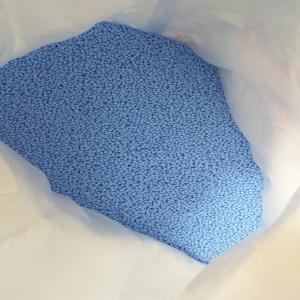
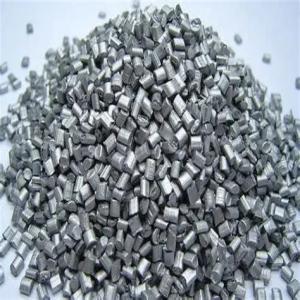
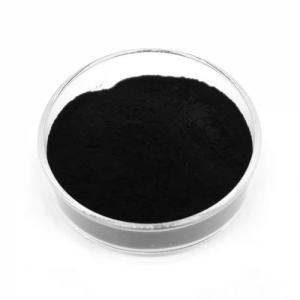
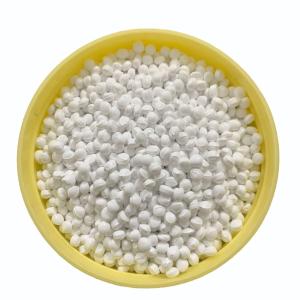
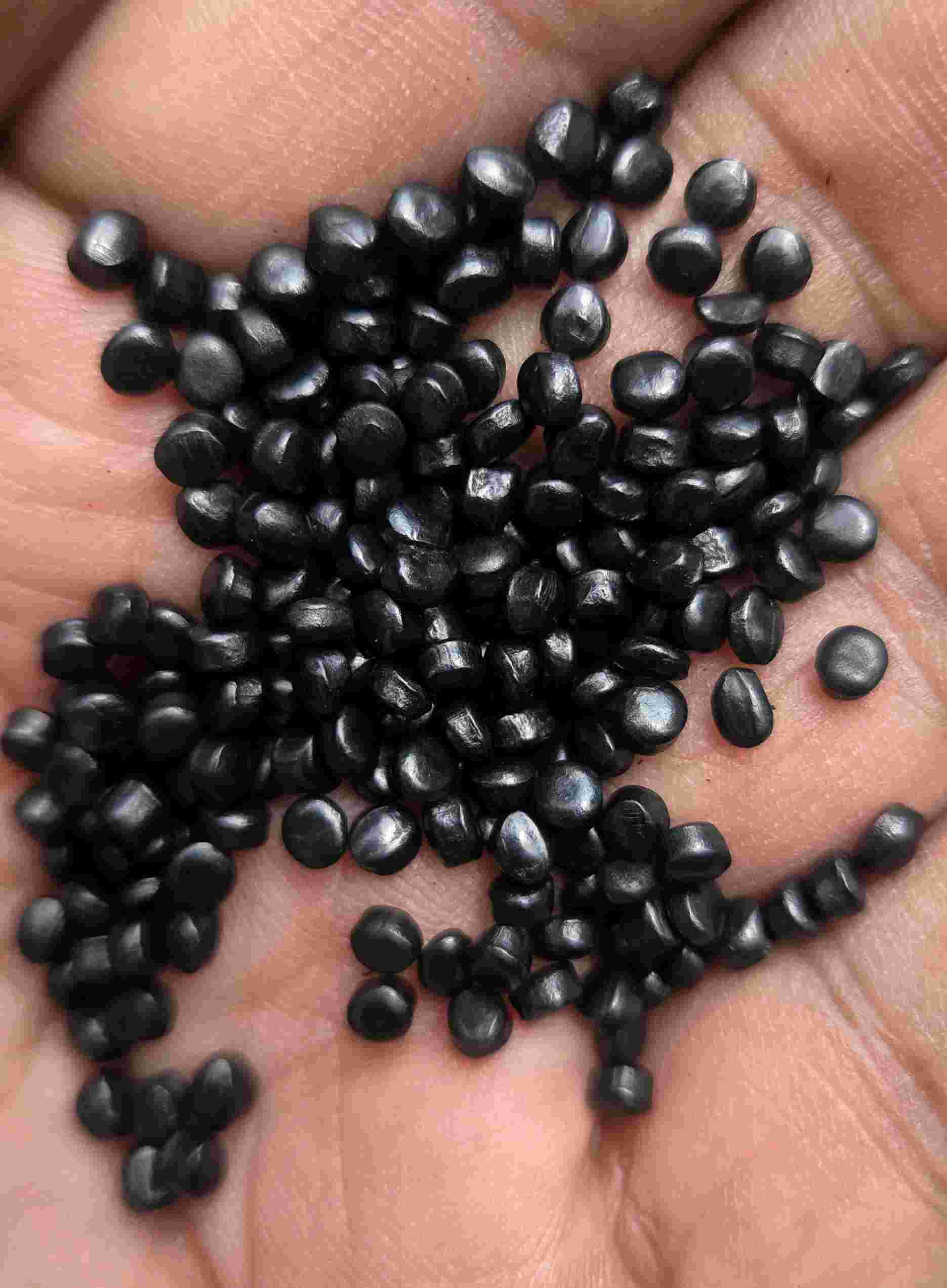
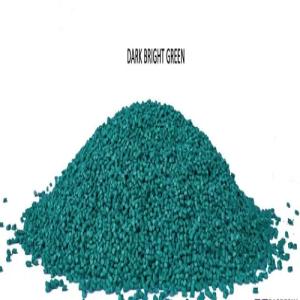
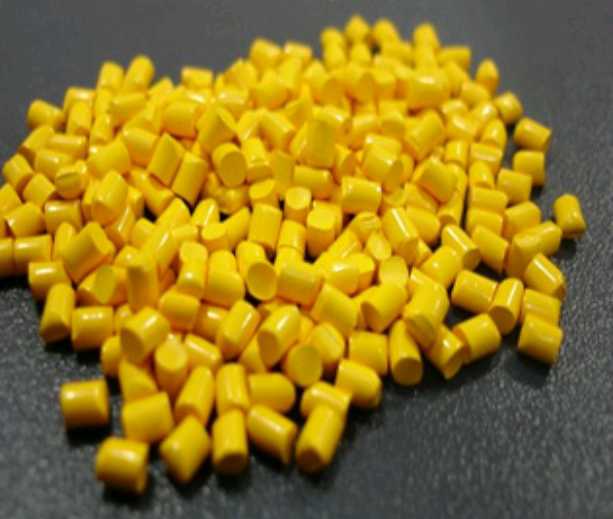
Let’s keep it simple—masterbatch is a concentrated blend of pigments, additives, fillers, or other compounds, all packed into a plastic resin. Manufacturers toss these little pellets or granules into raw plastic to add color or give plastics special features like strength, UV resistance, antistatic properties, or flame retardancy. It’s cleaner and more precise than using powder additives, and it saves everyone a mess.
If you look around, you’ll spot masterbatch almost anywhere plastics show up: packaging, cars, building sites, farms, textiles, home goods, electrical gear, and industrial stuff. People love it because it mixes in smoothly, works with all sorts of plastics, and keeps things safe and tidy.
What's great about masterbatch?
- Gives plastics better looks and performance
- Super easy to toss into manufacturing
- Makes sure additives spread evenly
- Less mess, safer to use
- Cuts costs during production
- Plays nice with lots of plastic types
2. Masterbatch: Main Types and Grades
Categories:
- Color masterbatch: Adds color and effects
- Additive masterbatch: Packs in UV protection, anti-static, flame retardancy, or antibacterial power
- Filler masterbatch: Brings down costs and adds stiffness using minerals like talc or calcium carbonate
- White/Black masterbatch: Used everywhere for brightness, covering power, UV resistance, and of course, color
Popular Types:
- Color: To paint plastics any shade you like
- Black: For black coloring, UV block, conductivity
- White: Brightens, adds opacity, whitens plastics
- UV: Shields plastics from sun damage
- Anti-static: Keeps static out
- Flame retardant: Fights fire
- Antibacterial: Good for hygiene and medical stuff
- Filler: Adds mineral fillers for cheaper and tougher plastics
Grades:
- Injection molding
- Blow molding
- Film
- Raffia
- Extrusion
- Fiber
- Food contact-safe
3. Where Do You Find Masterbatch?
Basically, anywhere plastic goes. To name a few:
- Packaging: Films, bags, bottles, wrappers
- Cars: Bumpers, dashboards, interior pieces, wiring
- Construction: Pipes, insulation, fittings, sheets
- Agriculture: Mulch films, greenhouse covers, irrigation lines
- Textiles: All sorts of synthetic fibers and nonwovens
- Electronics: Casings, insulation, connectors
- Stuff for everyday life: Toys, furniture, storage boxes
If there’s plastic, masterbatch is usually in the mix.
4. How’s Masterbatch Made?
Here’s how it usually goes:
- Pick your ingredients—pigments, additives, whatever’s needed
- Premix so it all blends
- Run it through extruders (single or twin screw) for a real mix
- Cool it down, chop it into pellets
- Test the results—melt flow, color, dispersion, additive kicks
Main techniques:
- Twin-screw and single-screw extrusion
- Pelletizing
- High-speed mixing
- Other compounding methods
Good mixing and choosing the right ingredients can make or break the end product.
5. Masterbatch in Everyday Products
- Colored packaging films
- UV-stable pipes and sheets for farming and building
- Black insulation for cables and wires
- White containers for food and consumer goods
- Anti-static sheets for electronics
- Flame retardant parts in electrical stuff
- Filler-based woven bags for industrial packaging
- Antibacterial bins and health containers
6. How Masterbatch Supports Sustainability
Masterbatch plays a role in greener plastics—it helps products last longer, saves raw materials, and can work with recycled and bio-based plastics.
You get things like:
- Fully recyclable or bio-based plastics
- Lightweight, high-performance packaging
- Special additives that boost recycled plastic quality
Some masterbatches are custom-designed for recycled plastics, solving issues that regular recycled materials run into.
7. Recycling Plastics With Masterbatch
You can recycle plastics with masterbatch, as long as the plastic and additives are compatible. Here’s what happens:
- Collect the used plastics
- Sort and clean them up
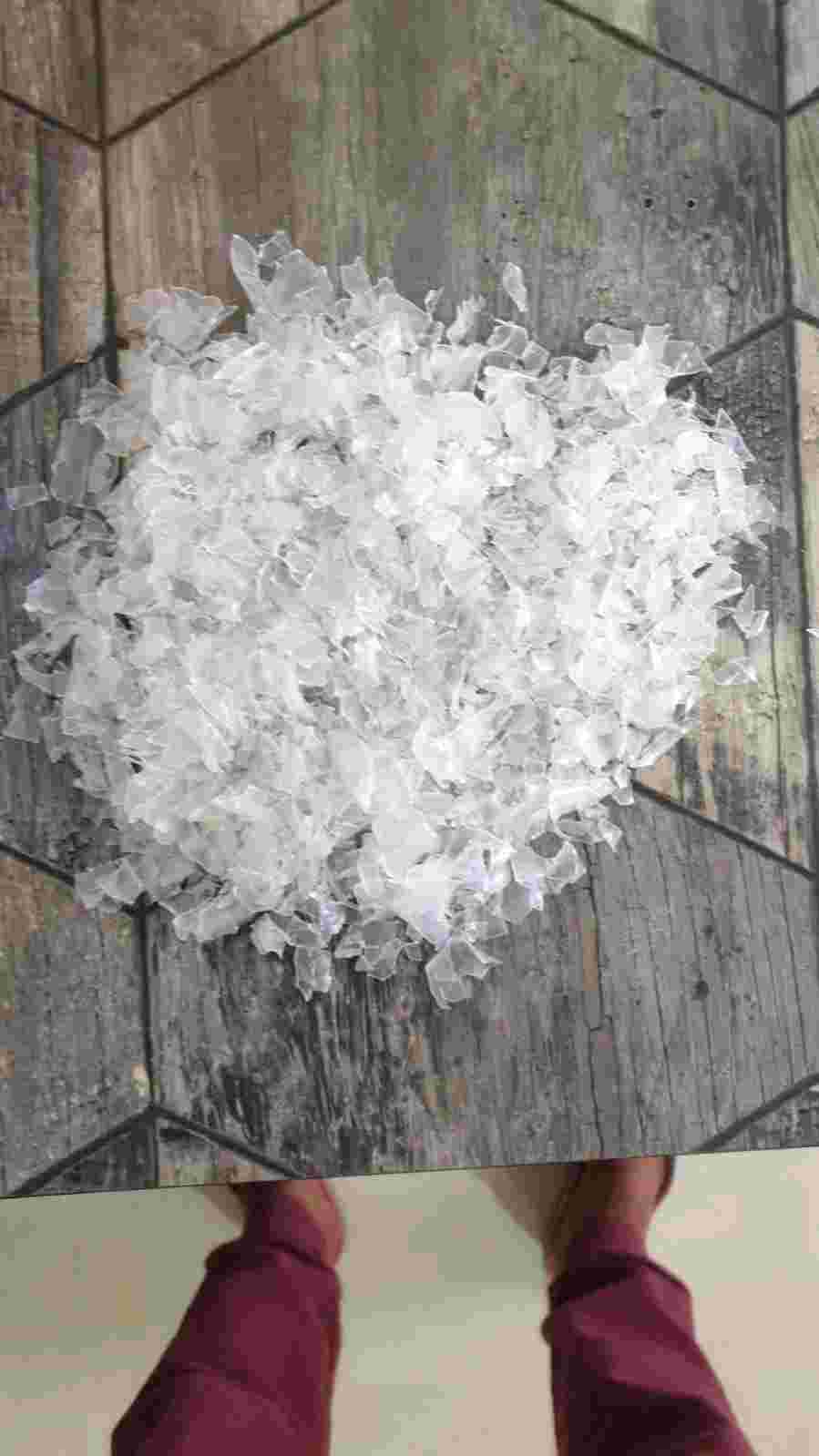
- Grind or shred into bits
- Melt and reprocess
- Pelletize for new use
Those recycled pellets end up in new containers, films, packaging, or even building materials. Just keep in mind—some additives can change the color, performance, or processing of the recycled stuff.
8. Looking To Buy or Sell Masterbatch?
Check out:
- Plastic4trade
- IndiaMART
- TradeIndia
Or try:
- Plastics expos
- Packaging trade shows
- Industry fairs
- LinkedIn and other B2B networking spots
9. Major Players in the Business (India & Global)
In India:
- Plastiblends India Limited
- ALOK Masterbatches
- Prayag Polytech
- PolyOne India
- Ampacet India
Globally:
- Ampacet (USA)
- Avient (USA)
- Clariant (Switzerland)
- Cabot (USA)
- Tosaf (Israel)
10. The Market in a Nutshell
Demand for masterbatch keeps growing as people want colored, smart, and sustainable plastics.
Growth is biggest in:
- Asia-Pacific
- North America
- Europe
- The Middle East
Why’s it booming?
- More need for plastic packaging
- Car and building industries are expanding
- Recycled plastics are getting popular
- New specialty additives are catching on
- People want better-looking, higher-performing plastics
But there are challenges:
- Raw material prices can swing wildly
- Keeping mixing quality the same every time is tough
- Environmental rules on plastic waste and recycling keep tightening
- Food and healthcare require strict safety standards
11. Quick Tech Summary
- Dispersion: Top notch
- Color consistency: Very high
- UV stability: You can get it
- Flame resistance: In certain grades
- Processing: Straightforward
- Compatibility: Depends on the main plastic
- Additives: Highly effective
- Shelf life: Solid
People like masterbatch because it makes plastics look great, last longer, and gives them the properties they need.
12. Pros vs. Cons
Pros:
- Simple to measure and use
- Better distribution of additives
- Keeps things cleaner
- Consistent results, batch to batch
- Lots of customization options
- Saves money in production
Cons:
- Mixing the wrong combo can mess things up
- High concentration means measuring is crucial
- Special types can be more expensive
- Poor dispersion can ruin the final product
Conclusion
Masterbatch is a key piece of the plastics world. It adds color, function, and performance—whether you’re making packaging, car parts, pipes, or toys. As demand grows for fancier, more sustainable, and better-engineered plastics, masterbatch is going to keep evolving and shaping how industries use plastic.