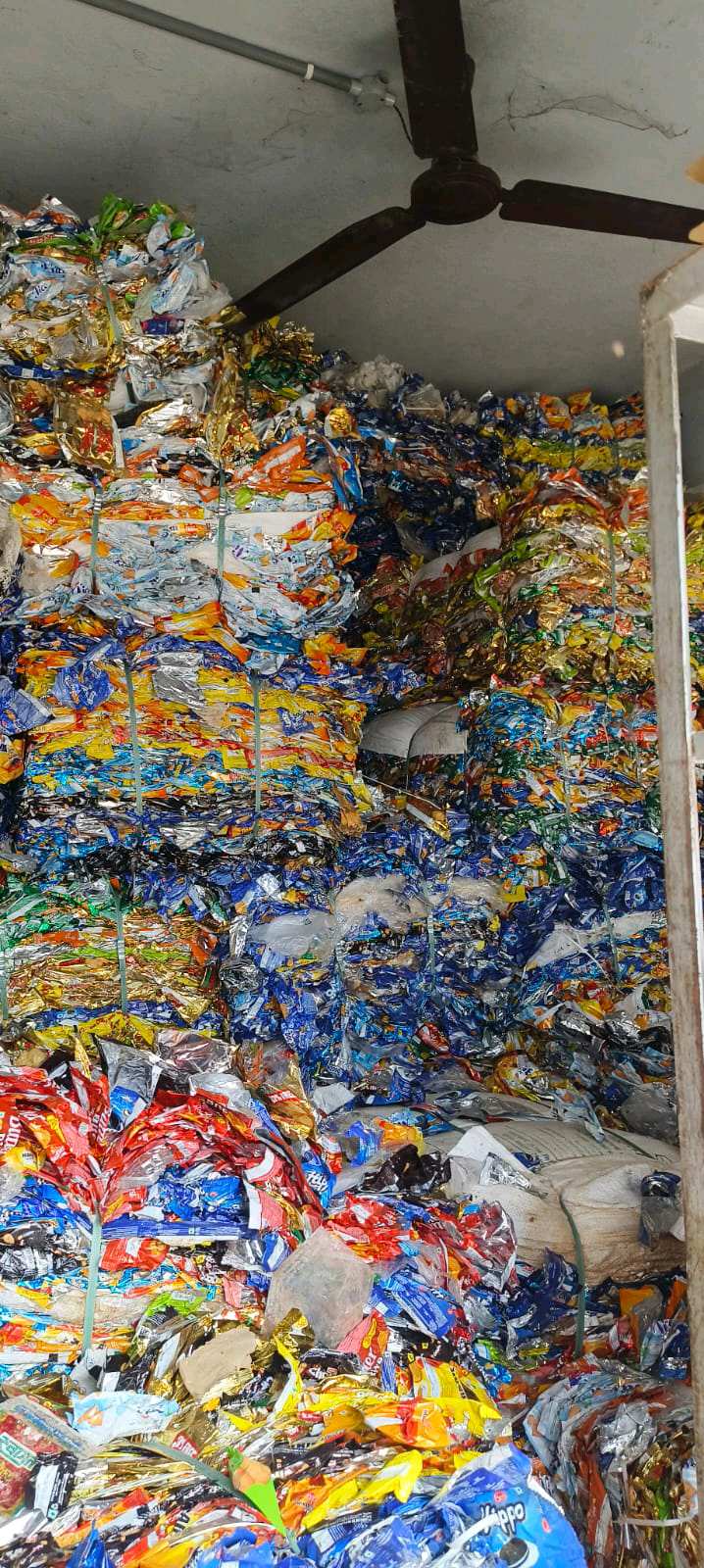
₹ 45
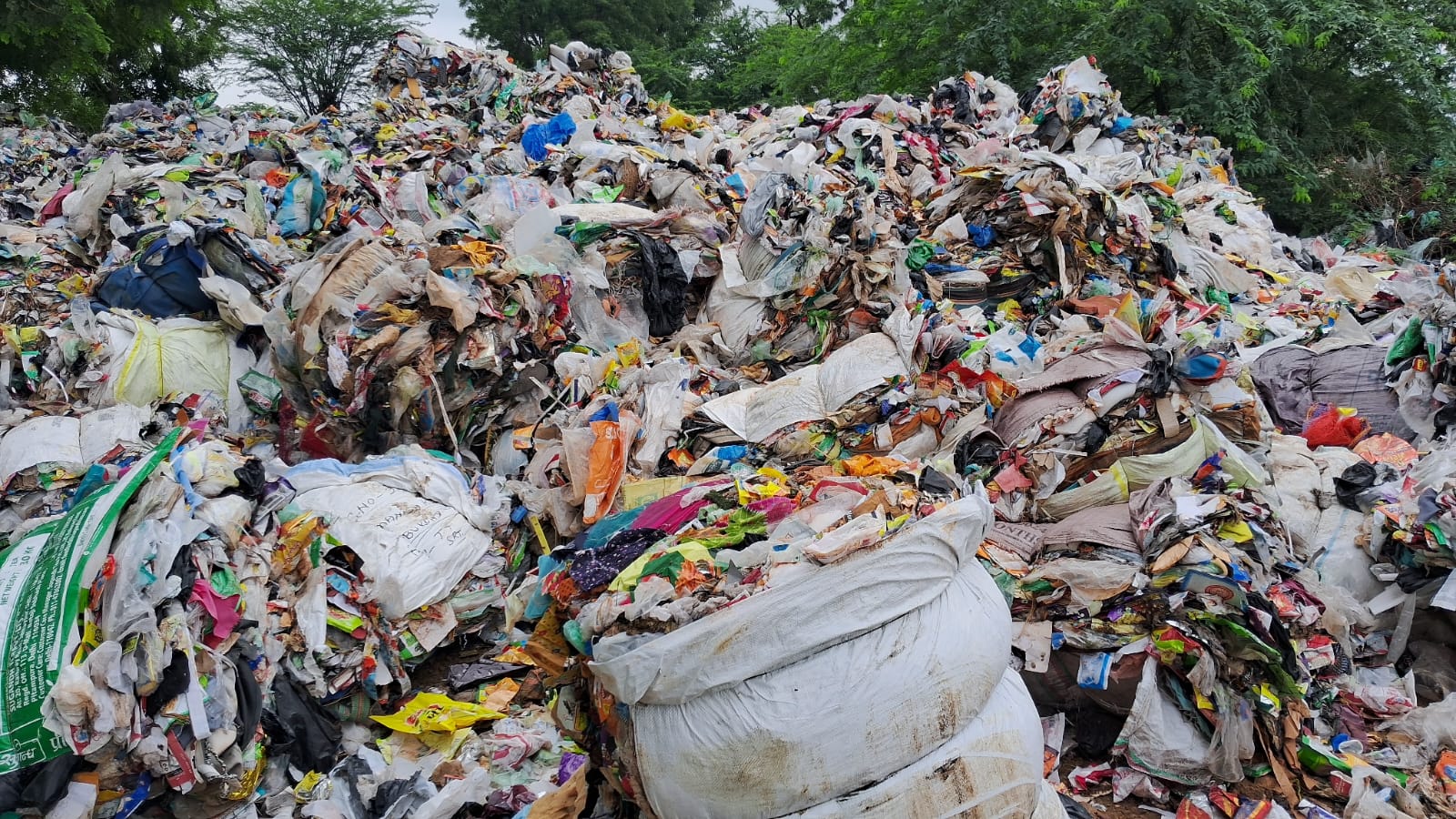
₹ 4

₹ 15
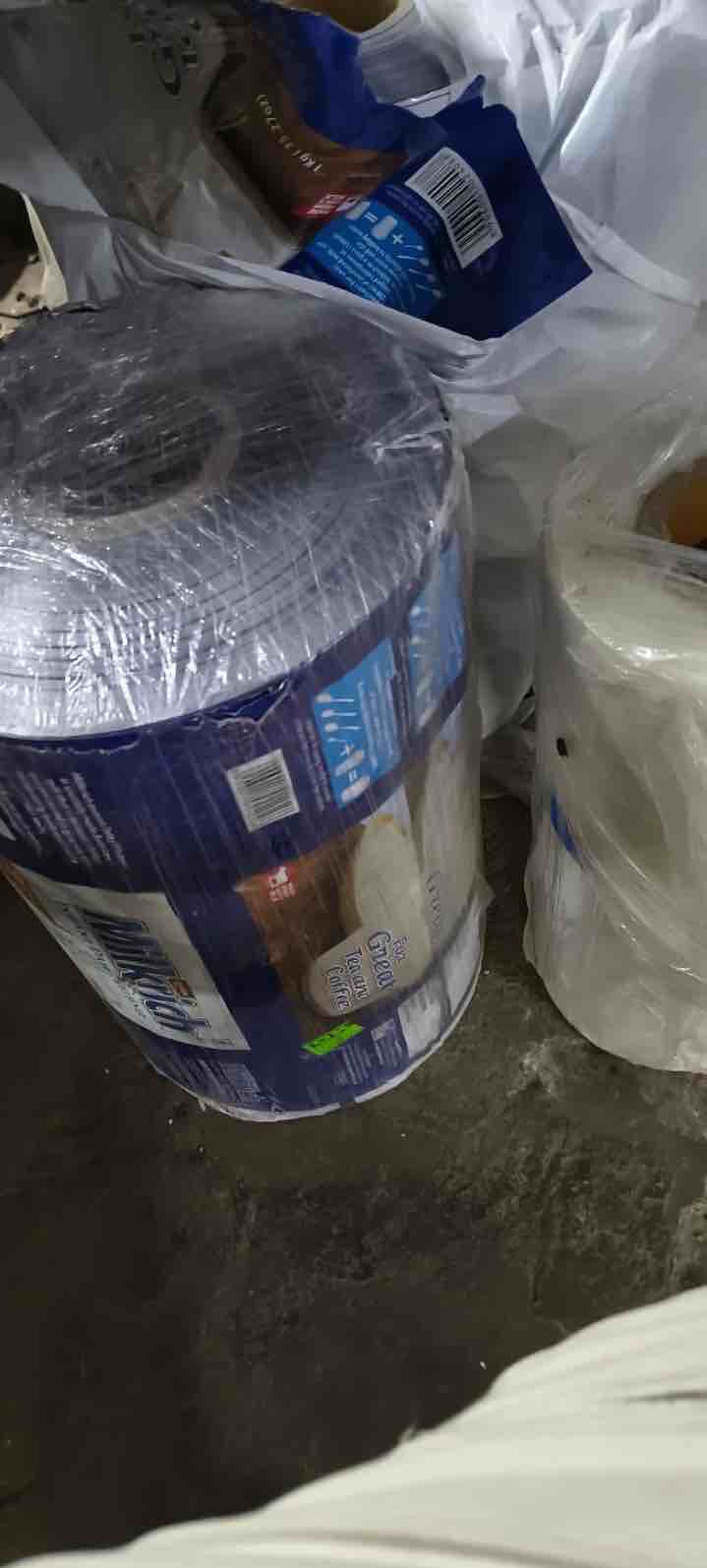
₹ 30
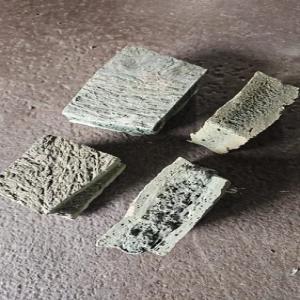
₹ 40
₹ 4

₹ 46

₹ 46

₹ 32
₹ 2
₹ 8
₹ 8
₹ 13
₹ 4
₹ 4
₹ 25
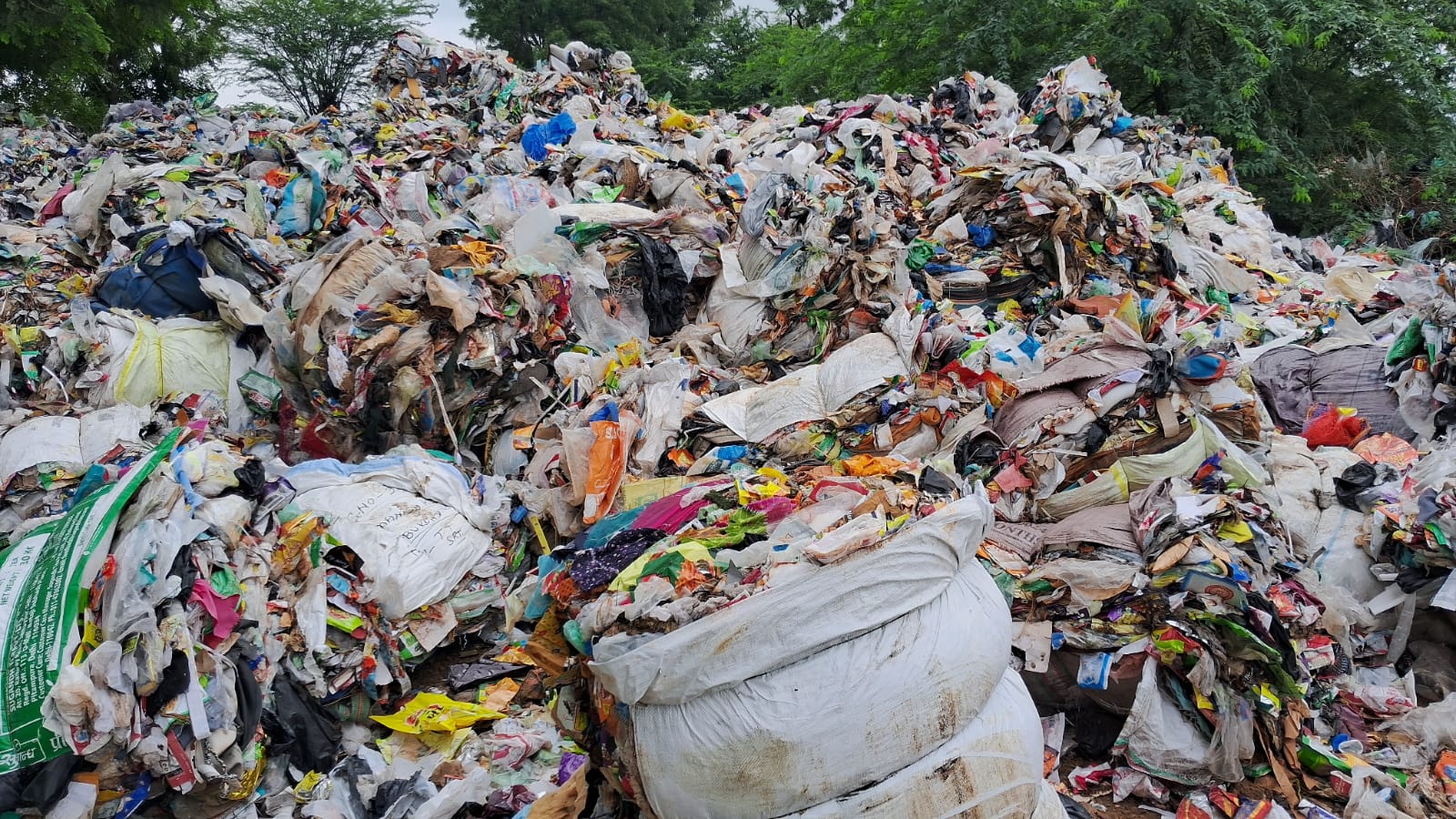
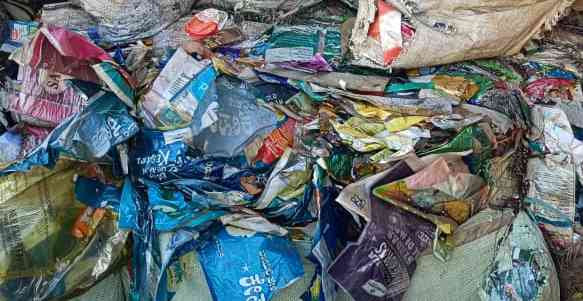
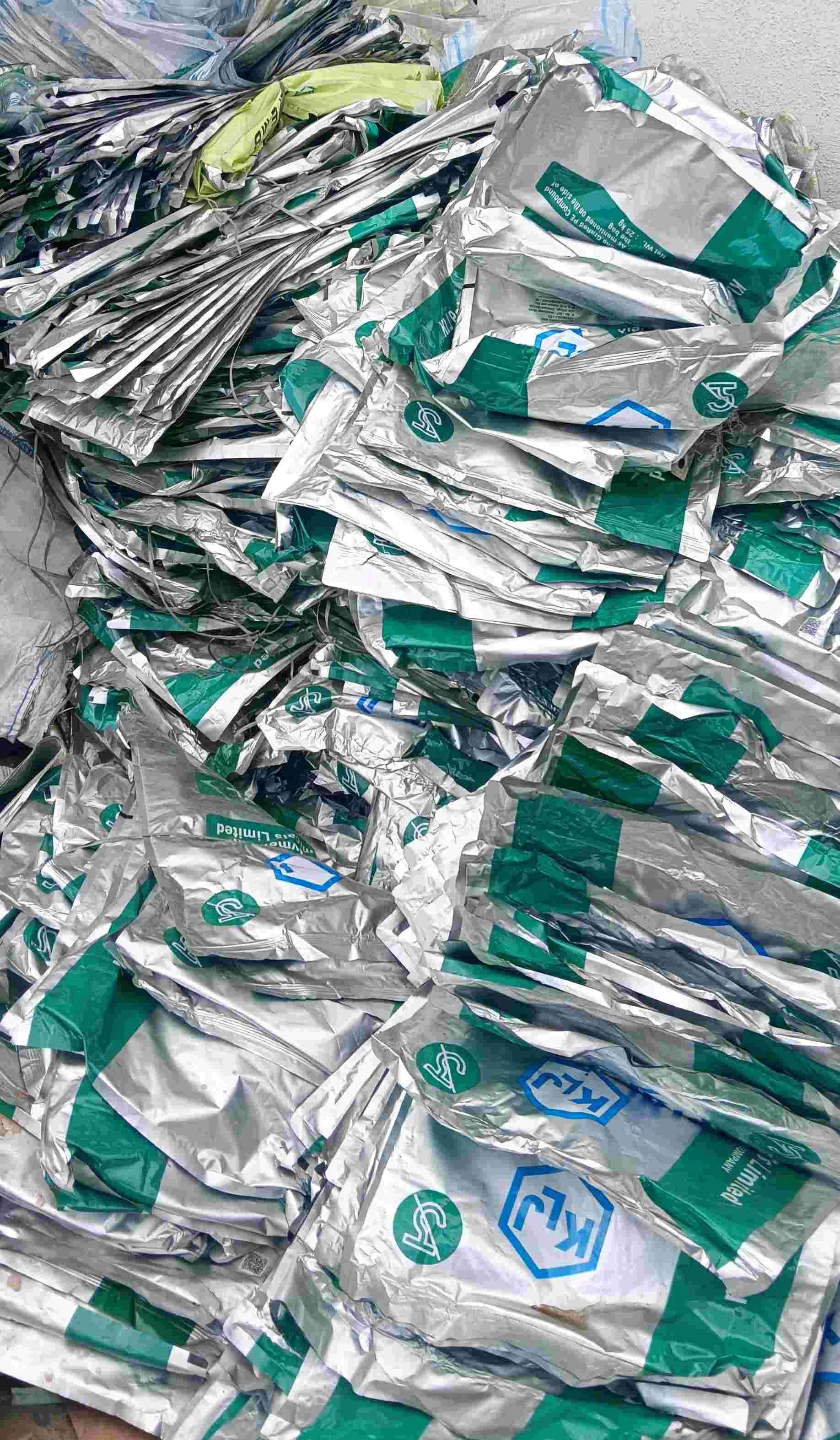
MLP stands for Multi-Layer Packaging, a packaging structure made by combining multiple layers of different materials, such as plastic films, aluminum foil, paper, and barrier polymers, to achieve superior product protection and packaging performance. The Definition of MLP is a composite packaging system designed to improve shelf life, durability, moisture resistance, oxygen barrier protection, and overall packaging efficiency.
MLP is widely used in food packaging, pharmaceutical packaging, beverage packaging, personal care products, industrial packaging, and consumer goods industries. By combining multiple materials into one structure, MLP offers properties that a single material alone cannot provide.
This packaging technology plays an important role in preserving freshness, protecting products during transportation, and improving storage life.
Highlights:
Categories:
Flexible Multi-Layer Packaging is used in pouches, sachets, wrappers, and films.
Rigid Multi-Layer Packaging is used in bottles, containers, trays, and industrial packaging systems.
Hybrid Composite Packaging combines plastic, paper, and aluminum structures for advanced protection.
Types of MLP:
Plastic-to-Plastic MLP: Combines layers such as PE, PET, PP, Nylon, or EVOH
Aluminum Foil MLP: Used for high-barrier food and pharmaceutical packaging
Paper-Plastic Laminates: Used in beverage cartons and retail packaging
Vacuum Packaging MLP: Used for meat, dairy, and food preservation
Retort Packaging MLP: Used for ready-to-eat meals and heat-processed products
Barrier Film MLP: Applied to industrial and pharmaceutical packaging
Grades:
The Uses of MLP in:
Food Industry: Snack packets, milk pouches, frozen food packaging, vacuum packs, ketchup sachets
Pharmaceutical Industry: Medicine strip packaging, medical pouches, sterile packaging
Beverage Industry: Juice cartons, liquid packaging systems
Personal Care Products: Shampoo sachets, cosmetic packaging, refill pouches
Industrial Applications: Chemical packaging, lubricant pouches, industrial liners
Retail and E-commerce: Flexible transport packaging & protective packaging
MLP is widely selected because it improves product protection while reducing packaging weight and transportation costs.
MLP Production Process:
Material Selection: Different materials such as PET, PE, PP, Nylon, aluminum foil, or paper are selected based on packaging requirements.
Layer Extrusion or Lamination: Multiple layers are bonded together using extrusion coating, adhesive lamination, or thermal bonding processes.
Printing and Surface Treatment: Branding, graphics, and protective coatings are applied.
Slitting and Conversion: The laminated material is cut and converted into pouches, sachets, rolls, or packaging structures.
Product Manufacturing:
Modern MLP systems are designed for high-speed packaging operations and advanced barrier performance.
|
Product |
Application |
|
Snack Food Packets |
Food packaging |
|
Milk & Beverage Pouches |
Liquid packaging |
|
Shampoo Sachets |
Personal care products |
|
Medicine Blister Packaging |
Pharmaceutical industry |
|
Vacuum Food Packs |
Food preservation |
|
Retort Pouches |
Ready-to-eat meals |
|
Industrial Chemical Pouches |
Industrial packaging |
|
Flexible Stand-Up Pouches |
Retail packaging |
Traditional MLP constructions are typically not biodegradable because they incorporate several layers of material. However, sustainable mono-material and recyclable multilayer packaging technologies are being developed.
Sustainable MLP Applications:
Note:
MLP helps reduce food spoilage and transportation damage, contributing indirectly to resource efficiency and sustainability.
MLP recycling is more complex than single-material plastics because multiple bonded layers must be separated or processed together.
Recycling Process:
Recycled MLP Products:
Recycling Information:
Specialized recycling technologies such as pyrolysis, co-processing, and advanced separation systems are increasingly used for MLP waste management.
Best Platforms to Find MLP Suppliers and Buyers:
Other Methods:
Major MLP Manufacturers - India:
Major MLP Manufacturers - Overseas:
The global MLP market is growing rapidly because of increasing demand for flexible packaging, food preservation systems, pharmaceutical packaging, and lightweight transport packaging.
Major Demand Regions:
Growth Drivers:
Challenges:
|
Property |
Typical Performance |
|
Barrier Protection |
Excellent |
|
Moisture Resistance |
High |
|
Oxygen Resistance |
High |
|
Flexibility |
Good |
|
Durability |
Excellent |
|
Printability |
Excellent |
|
Heat Sealability |
Good |
|
Lightweight Performance |
Excellent |
MLP is highly valued for its advanced barrier properties, durability, lightweight design, and product preservation capabilities.
Advantages (Pros):
Disadvantages (Cons):
Conclusion
MLP (Multi-Layer Packaging) remains one of the most important packaging technologies used across food, pharmaceutical, personal care, industrial, and consumer goods industries. Its ability to combine multiple material properties into one efficient structure makes it highly suitable for product preservation, transportation safety, and lightweight packaging solutions. As global industries continue focusing on advanced packaging performance and sustainability innovations, MLP continues to play a major role in modern packaging and product protection systems worldwide.