add_location

Filters


Supplier for NYLON in Chandigarh

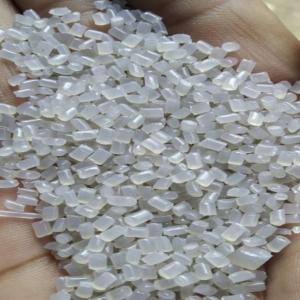
NYLON NYLON Grinding Extrusion barotiwala himachal pradesh india Plastic4trade

₹ 0

NYLON

NYLON | Extrusion

Himachal Pradesh, India

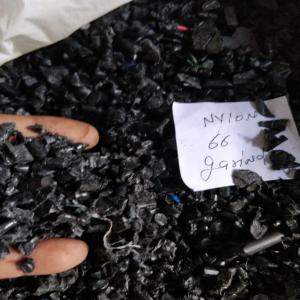
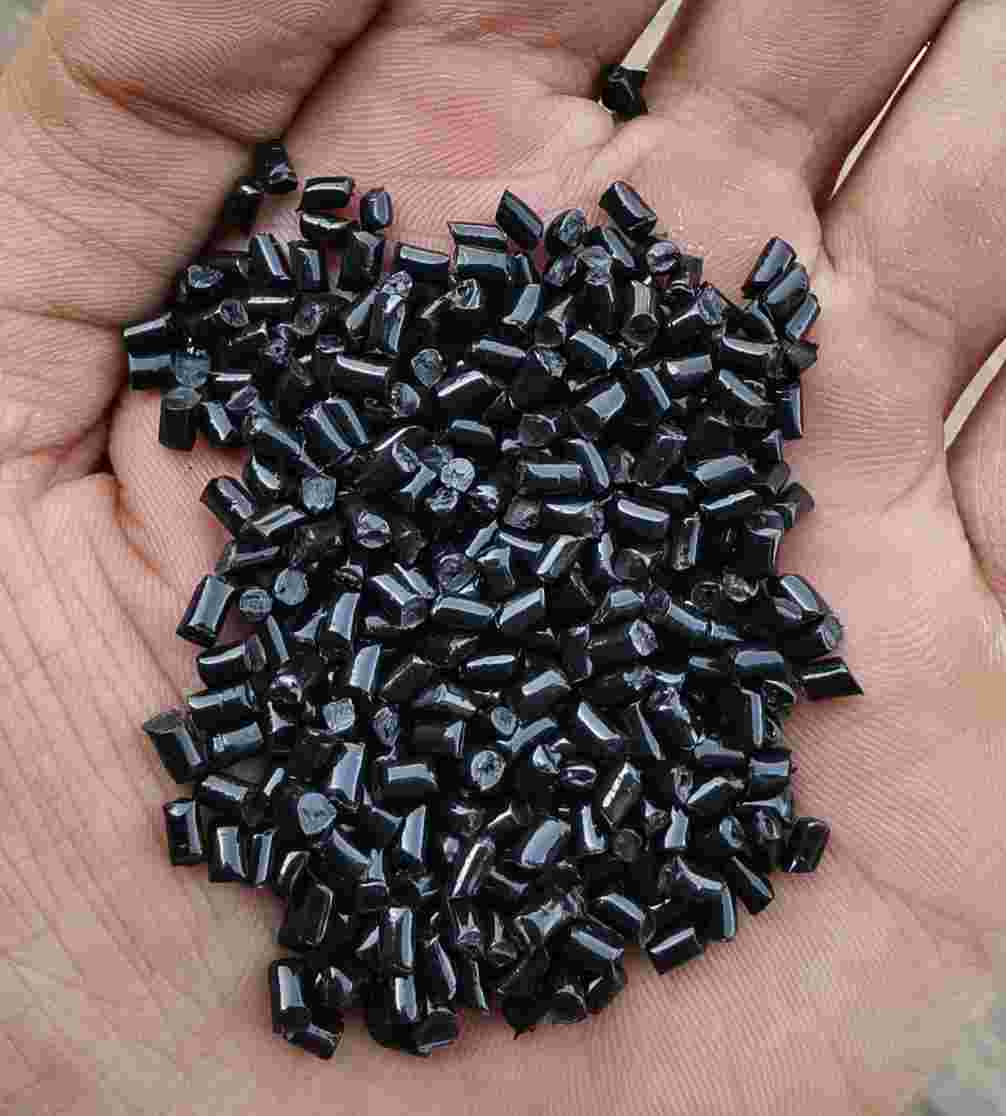
BLACK NLYON PLAIN6 NYLON Grinding Injection Molding himachal pradesh india Plastic4trade

₹ 70

BLACK NLYON PLAIN6

NYLON | Injection Molding

Himachal Pradesh, India

NYLON  30% GLASS FIIELD NYLON Grinding Injection Molding himachal pradesh india Plastic4trade

₹ 75

NYLON 30% GLASS FIIELD

NYLON | Injection Molding

Himachal Pradesh, India

NAYLON DANA NYLON Prime/Virgin Injection Molding undefined punjab india Plastic4trade

₹ 210

NAYLON DANA

NYLON | Injection Molding

Punjab, India

NYLON GLASS 30% FILLED GRANULES NYLON Grinding Roto Molding Machine & Tools haridwar uttarakhand india Plastic4trade

₹ 70

NYLON GLASS 30% FILLED GRANULES

NYLON | Roto Molding, Machine & Tools

Uttarakhand, India

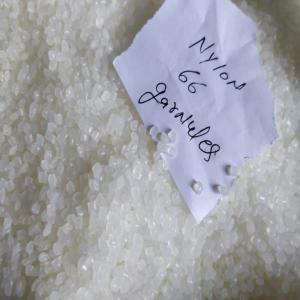
NAYALON 66 GARALULES NYLON Reprocess Granule Injection Molding mandi uttar pradesh india Plastic4trade

₹ 110

NAYALON 66 GARALULES

NYLON | Injection Molding

Uttar Pradesh, India

NAYALON 66 GARDING NYLON Grinding Roto Molding Injection Molding mandi uttar pradesh india Plastic4trade

₹ 60

NAYALON 66 GARDING

NYLON | Roto Molding, Injection Molding

Uttar Pradesh, India

NYLON PLAIN PLASTIC SRCAP NYLON Scrap Injection Molding hilwari uttar pradesh india Plastic4trade

₹ 98

NYLON PLAIN PLASTIC SRCAP

NYLON | Injection Molding

Uttar Pradesh, India

Buyer for NYLON in Chandigarh

NYLON SCRAP NYLON Grinding Injection Molding nalagarh himachal pradesh india Plastic4trade

₹ 105

NYLON SCRAP

NYLON | Injection Molding

Himachal Pradesh, India

NAYALON  GARALULES NYLON Prime/Virgin Injection Molding ambala haryana india Plastic4trade

₹ 141

NAYALON GARALULES

NYLON | Injection Molding

Haryana, India

NYLON TEXTILE GRADE CHIPS NYLON Grinding Film Grade kaithal haryana india Plastic4trade

₹ 148

NYLON TEXTILE GRADE CHIPS

NYLON | Film Grade

Haryana, India

POLYMER CHIPS FOR NYLON66 NYLON Grinding Injection Molding kaithal haryana india Plastic4trade

₹ 230

POLYMER CHIPS FOR NYLON66

NYLON | Injection Molding

Haryana, India

NAYALON 6,66 GRINDING NATURAL NYLON Grinding Injection Molding delhi delhi india Plastic4trade

₹ 92

NAYALON 6,66 GRINDING NATURAL

NYLON | Injection Molding

Delhi, India

NAYALON 6,66 GRINDING WHITE NYLON Grinding Injection Molding delhi delhi india Plastic4trade

₹ 89

NAYALON 6,66 GRINDING WHITE

NYLON | Injection Molding

Delhi, India

NYLON 6 BLACK NYLON Grinding Injection Molding delhi india Plastic4trade

₹ 50

NYLON 6 BLACK

NYLON | Injection Molding

Delhi 110039, India

NAYALON NATURAL VIRGIN GARALULES NYLON Prime/Virgin Injection Molding delhi delhi india Plastic4trade

₹ 110

NAYALON NATURAL VIRGIN GARALULES

NYLON | Injection Molding

Delhi, India


Nylon (Polyamide / PA): A Practical Guide to Types, Uses, Production, Market, and Recycling


1. What Is Nylon?


Nylon’s one of those materials that’s almost everywhere. It’s a synthetic engineering plastic—the real term is “polyamide”—and it doesn’t really care if you need something tough, flexible, lightweight, or all three. Nylon’s found its way into car engines, clothes, machine parts, kitchen gadgets, even electrical stuff. People keep picking it because it’s durable, takes a beating, doesn’t mind the heat, and keeps weight down. That’s exactly why so many industries lean on it so much.


Key Features


  • Strong and reliable
  • Doesn’t wear down easily
  • Handles heat well
  • Light but sturdy
  • Low friction, so moving parts actually move
  • Works for both big machines and your favorite shirt


2. Nylon Types and Grades


Nylon comes either “virgin” (made from fresh chemicals) or recycled. Virgin nylon’s used for jobs where performance can’t slip—think cars and machinery. Recycled nylon gets a new shot, made out of stuff that would otherwise be waste (old textiles or production scraps).


Some typical types:


  • Nylon 6 (PA6): Found in machinery, gear parts, and lots of industrial goods.
  • Nylon 66 (PA66): Trust it where extra heat and stiffness are needed, like automotive stuff.
  • Glass-Filled Nylon: With glass fibers mixed in, it gets even tougher.
  • Flame Retardant Nylon: For electrical parts that can’t risk catching fire.
  • Textile Grade: For threads, yarns, fabrics.
  • Oil-Filled Nylon: Lubricated for parts that see constant scraping and sliding.


Other grades exist too—injection molding, extrusion, reinforced, flame-resistant, food-safe, high-impact—you name it, there’s probably a nylon for it.


3. Nylon’s Many Uses


Nylon shows up almost anywhere if you look close:


Cars: Gears, engine components, bushings, fuel lines
Textiles: Clothing, carpets, ropes, industrial fibers
Electrical: Cable ties, connectors, switches, shells for electronics
Manufacturing: Bearings, rollers, conveyor belts, machine parts
Consumer goods: Sports gear, kitchen tools, luggage
Medical: Certain reusable tools and durable devices


4. How’s Nylon Made?


It all begins with chemistry. Producers take chemicals like caprolactam (for Nylon 6) or mix acids and diamines (for Nylon 66), kick off a reaction, and—after tweaking with reinforcements, lubricants, or other additives—turn the result into little resin pellets.


Those pellets? They’re turned into real-world products by:


  • Injection molding
  • Extrusion
  • Spinning fibers
  • Blow molding
  • CNC machining


5. What Does Nylon Become?


  • Gears, rollers, and bearings for factories and cars
  • Strong fibers for clothes and carpets
  • Cable ties for organizing wires
  • Ropes for both work and sailing
  • Sports equipment (string for tennis racquets, helmet innards)
  • Hard-to-break machine parts


Nylon’s Greener Future: Biodegradable Uses


Classic nylon holds up for ages—sometimes too long. That’s why there’s growing interest in recycled or even bio-based nylons. These newer versions turn up as fabrics designed to last (and get recycled), reusable tech parts, or even industrial bits that stick around for decades instead of filling up landfills.


Recyclable fibers for clothes and upholstery
Engineering parts that get reused or melted down
Industrial tools and components meant to last


6. Nylon Recycling—What Happens to Your Old Stuff?


Old nylon doesn’t have to go to waste. Here’s the usual path:


  • Collect it
  • Sort it
  • Clean it
  • Shred or grind it up
  • Remelt and reshape into new pellets


Those recycled pellets get their second wind as car parts, machine gears, textiles, or new gadgets. You’ll usually spot recycled nylon as resin code 7 (“Other Plastics”). Every bit recycled means less piling up as trash.


7. Where’s the Nylon Marketplace?


Looking to buy, sell, or find suppliers?:


  • Plastic4trade
  • Alibaba
  • IndiaMART
  • TradeIndia

Or wander into a plastics, textile, or engineering fair—sometimes LinkedIn does the trick too for finding the serious players.


8. Nylon Raw Material Makers


Top producers in India:


  • SRF Limited
  • Reliance Industries Limited
  • BASF India
  • Lanxess India
  • DSM Engineering Materials India


Big names worldwide:


  • BASF SE (Germany)
  • DuPont (USA)
  • Lanxess AG (Germany)
  • Ascend Performance Materials (USA)
  • DSM Engineering Materials (Netherlands)


9. Nylon Market Snapshot


Business is booming. Nylon’s only getting more popular, especially across Asia-Pacific, Europe, North America, and the Middle East. Drivers? Lightweight car parts, more robotics, bigger textile demand, and engineering that needs tough—yet not heavy—materials. Sure, it’s a bit pricier than some basic plastics and picks up moisture (which can mess with shapes in exacting applications). And yes, waste is a growing concern, but recycling’s helping take the edge off.


Nylon Properties: The Stuff That Matters


  • Density: 1.10–1.16 g/cm³
  • Tensile Strength: 60–90 MPa
  • Heat Resistance: It holds up well
  • Wear Resistance: Top-notch
  • Chemical Resistance: Pretty solid
  • Soaks up moisture: Medium amount
  • Toughness: High impact strength
  • Friction: Low—good for moving, sliding parts


10. Why Nylon? Because it lasts, shrugs off punishment, doesn’t mind the heat, and just works.


Pros:


  • Very strong, wears well
  • Handles heat
  • Not heavy
  • Low friction (so moving parts move better)
  • Works for countless industrial jobs


Cons:


  • Absorbs moisture, which can change its size and shape
  • More expensive than basic plastics
  • Not naturally biodegradable
  • Production requires care and control


In Closing


Nylon’s everywhere for a reason. It’s tough, stays light, and just plain reliable—from cars to threads to gadgets. With recycling on the rise and new greener versions showing up, nylon’s not fading out anytime soon.


add_circle Add Post