
add_location

Filters


Supplier for Additives in Berhampur

PLASTICIZER Additives Additives Cable kolkata west bengal india Plastic4trade

$ 1150

PLASTICIZER

Additives | Cable

West Bengal, India

ULTRAMARINE BLUE Additives Powder Roto Molding Injection Molding RAFFIA navi mumbai maharashtra india Plastic4trade

₹ 150

ULTRAMARINE BLUE

Additives | Roto Molding, Injection Molding, RAFFIA

Maharashtra, India

PE WAX FOR MASTERBATCH AND FILLER MANUFACTURING COMPANIES Additives Prime/Virgin Injection Molding Extrusion Film Grade vapi gujarat india Plastic4trade

₹ 76

PE WAX FOR MASTERBATCH AND FILLER MANUFACTURING COMPANIES

Additives | Injection Molding, Extrusion, Film Grade

Gujarat, India

PIDILITE VOILET Additives Additives Blow Injection Molding Film Grade undefined delhi india Plastic4trade

₹ 3000

PIDILITE VOILET

Additives | Blow, Injection Molding, Film Grade

Delhi, India

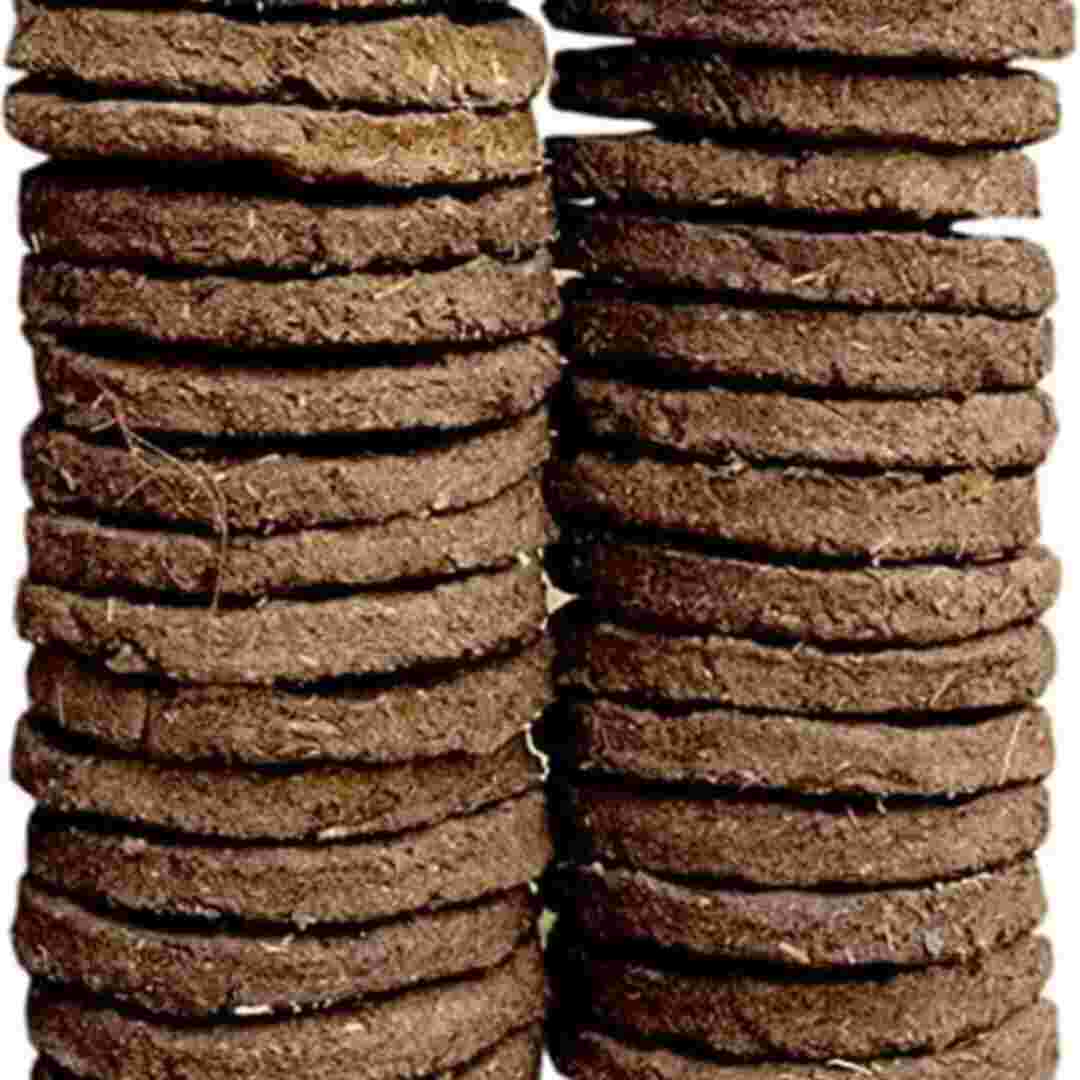
COW DUNG Additives Bag Cable delhi delhi india Plastic4trade

₹ 249

COW DUNG

Additives | Cable

Delhi, India

PLASTIC BLOWN FILM OPENING AGENT Additives Reprocess Granule, Mix Material, Additives Blow Extrusion Film Grade    Plastic4trade

$ 1715

PLASTIC BLOWN FILM OPENING AGENT

Additives | Blow, Extrusion, Film Grade

河北省, 中国

SODIUM SULFATE FILLED MASTERBATCH Additives Masterbatch, Additives Blow Injection Molding Film Grade    Plastic4trade

$ 430

SODIUM SULFATE FILLED MASTERBATCH

Additives | Blow, Injection Molding, Film Grade

河北省, 中国

SODIUM SULFATE FILLED MASTERBATCH Additives Masterbatch, Additives Blow Injection Molding Film Grade    Plastic4trade

$ 430

SODIUM SULFATE FILLED MASTERBATCH

Additives | Blow, Injection Molding, Film Grade

河北省, 中国

Buyer for Additives in Berhampur

Buy Posts are not available...

Everything You Need to Know About Plastic Additives


1. What Are Plastic Additives?


Plastic additives are the secret sauce behind almost every plastic product you use. On their own, plain polymers don’t stand a chance—they’d crack, fade, or fall apart way too fast. Additives step in to make plastic tougher, more flexible, flame-resistant, easier to manufacture, or even just better looking. Seriously, whatever plastic item you can think of—from water bottles and phone cases to car parts and yoga pants—it probably owes a lot to these tiny extras.


So what do they really do?


  • They help plastics stick around longer and hold up better.
  • Smooth out the production process, making life easier for manufacturers.
  • Give plastics all sorts of perks, like killing germs or blocking static shocks.
  • Let companies tweak material properties for just about any job.
  • Bottom line: if you want plastic to work, you need additives.


2. Categories, Types, and Grades


Additives get grouped based on what they’re supposed to do:


  • Performance Additives: make plastics tougher, flexible, or able to handle more heat.
  • Processing Additives: help plastic shape up properly at the factory.
  • Protective Additives: shield against sun, fire, air, and rough weather.
  • Functional Additives: add special talents, like stopping static or fighting germs.


Some common ones:


  • UV Stabilizers: stop fading in the sun.
  • Antioxidants: protect plastic during manufacturing.
  • Plasticizers: keep things bendy and soft.
  • Flame Retardants: cut down fire risk.
  • Anti-Static Agents: no more shocking surprises.
  • Slip/Anti-Block: stop plastic sheets from sticking together.
  • Pigments: add color.
  • Optical Brighteners: make whites brighter and colors pop.
  • Antibacterial Additives: keep surfaces cleaner.
  • Impact Modifiers: help plastic survive drops and hits.
  • Foaming Agents: add air to keep plastics light.
  • Lubricants and Processing Aids: help the mix go smooth.


The grade you choose changes depending on whether you’re pressing plastic into a toy, rolling out film, or molding a car bumper.


3. Where Do They Show Up?


Honestly? Everywhere.


  • Packaging: films, bottles, wraps—the works.
  • Cars: bumpers, dashboards, cables.
  • Buildings: pipes, insulation, window frames.
  • Electronics: device cases, wires, connectors.
  • Farms: greenhouse covers, irrigation pipes.
  • Hospitals: medical packaging, hygiene products.
  • Everyday stuff: toys, storage bins, kitchenware.
  • Textiles: especially anything synthetic or technical.


With additives, these products last longer, look better, and actually do what you want.


4. How Are Plastic Additives Made?


Everything starts with picking a specific blend of chemicals, minerals, or colorants. Manufacturers mix, react, melt, or blend them as needed. Sometimes everything gets purified; sometimes not. They’ll throw in extra ingredients if there's a need for something special. The finished additive might come out as a powder, liquid, or pellet—all ready to mix in with plastic. Every batch gets tested to make sure it can handle heat, blends properly, and works with the chosen polymer.

The process isn’t set in stone—it can mean mixing powders, cooking up chemicals, or running molten material through extruders. Liquids or pellets get picked based on what works best during manufacturing.


5. Where Do You See All This?


Real-world examples:


  • UV-stabilized films in greenhouses and food packaging.
  • Flame retardant wiring in electronics and cars.
  • Flexible PVC in tubing, flooring, and daily goods.
  • Anti-static bags protecting electronics.
  • Colored plastics everywhere on shelves.
  • Antibacterial plastics in hospitals.
  • Impact-resistant panels in cars and helmets.
  • Lightweight plastic foams in packaging and insulation.


6. Greener, Sustainable Options


Here’s the good part: additives are evolving. There are eco-friendly alternatives now—some help recycled plastics work better, make products lighter, or even speed up breakdown. A few are designed to help recycled material behave almost like brand new stuff.


7. Recycling and Additives


Recycling plastic is possible, but additives play both hero and villain. Some make the process smoother, but others need special handling or change up how plastic melts and mixes. The main steps are sorting, washing, shredding, and melting plastic back into pellets.


8. Buying and Selling Additives


Looking to get into the business? Online marketplaces like Plastic4trade, IndiaMART, and TradeIndia are great starting points. You’ll find suppliers, manufacturers, and buyers. Networking at trade shows or on LinkedIn helps as well.


9. Key Industry Players


In India:


  • Fine Organics
  • ALOK Masterbatches
  • Plastiblends India
  • Clariant India
  • Quite a few smaller specialty companies too


Globally:


  • BASF SE (Germany)
  • Clariant AG (Switzerland)
  • Songwon (South Korea)
  • Adeka (Japan)
  • Avient (USA)


These are some of the big names running the show.


10. Market Snapshot


Demand for additives isn’t slowing down. Everyone wants plastic that’s lighter, stronger, and greener.


Asia-Pacific is out in front, then North America, Europe, and the Middle East. What’s driving the boom? People want more durable, high-tech materials, packaging is exploding, cars are getting more advanced, and the need to recycle keeps growing.


Still, it’s not all smooth sailing. Prices for raw materials are rising, regulations are tighter, and not every plastic can be recycled easily.


11. Why Additives Matter: Technical Perks


Pick your additive right and plastics can:


  • Resist sun, moisture, and heat.
  • Stay bendable, resist fire, or take a beating without breaking.
  • Look sharp after manufacturing.
  • Last longer and handle tough jobs.


12. The Ups and Downs


Pros:


Plastics hold up longer and can do more.
You can customize for nearly any use.
Production gets simpler and more efficient.
Finished products look and work better.


Cons:


Higher costs.
Compatibility headaches if additives don’t play well together.
Stricter rules for certain chemicals.
Recycling can be more complicated.


Conclusion


Plastic additives are the reason modern plastics are so much more than cheap and flimsy. They’re what make all those products safe, reliable, and tough enough for real-world use. As companies chase better and more sustainable plastics, additives will keep changing, too.


add_circle Add Post