


All About Plastic Waste: Types, Sources, Recycling, Management, Market, Environmental Impact, Facts and Information
1. What is Plastic Waste? | Definition and Overview
The term "plastic waste" describes the discarded plastic materials produced by commercial, industrial, agricultural, medical, packaging, and domestic operations. The Definition of Plastic Waste is any unwanted, used, damaged, or end-of-life plastic product that is disposed of, recycled, reprocessed, or managed through waste recovery systems.
Plastic waste is one of the most significant environmental and industrial challenges worldwide because plastics are widely used in packaging, consumer goods, construction materials, automotive components, electronics, agriculture, and healthcare products.
Due to their durability and long decomposition period, unmanaged plastic waste can accumulate in landfills, water bodies, and ecosystems. However, plastic waste also serves as an important raw material source for recycling and circular economy initiatives.
Highlights:
- Generated from industrial and consumer activities
- Can be recycled and reprocessed
- Widely available across industries
- Important for circular economy systems
- Major environmental management challenge
- Valuable raw material for recycling industries
2. Plastic Waste Category, Types, and Classification
Categories of Plastic Waste:
Post-Consumer Plastic Waste: Generated from households, retail products, packaging, and consumer goods after use.
Post-Industrial Plastic Waste: Generated during manufacturing, processing, trimming, molding, and industrial production activities.
Municipal Plastic Waste: Mixed plastic waste collected from urban waste management systems.
Agricultural Plastic Waste: Mulch films, irrigation pipes, greenhouse films, fertilizer bags.
Medical Plastic Waste: Syringes, gloves, packaging, medical disposables.
Electronic Plastic Waste: Plastic components from electrical and electronic products.
Types of Plastic Waste:
PET Waste: Bottles, containers, packaging films
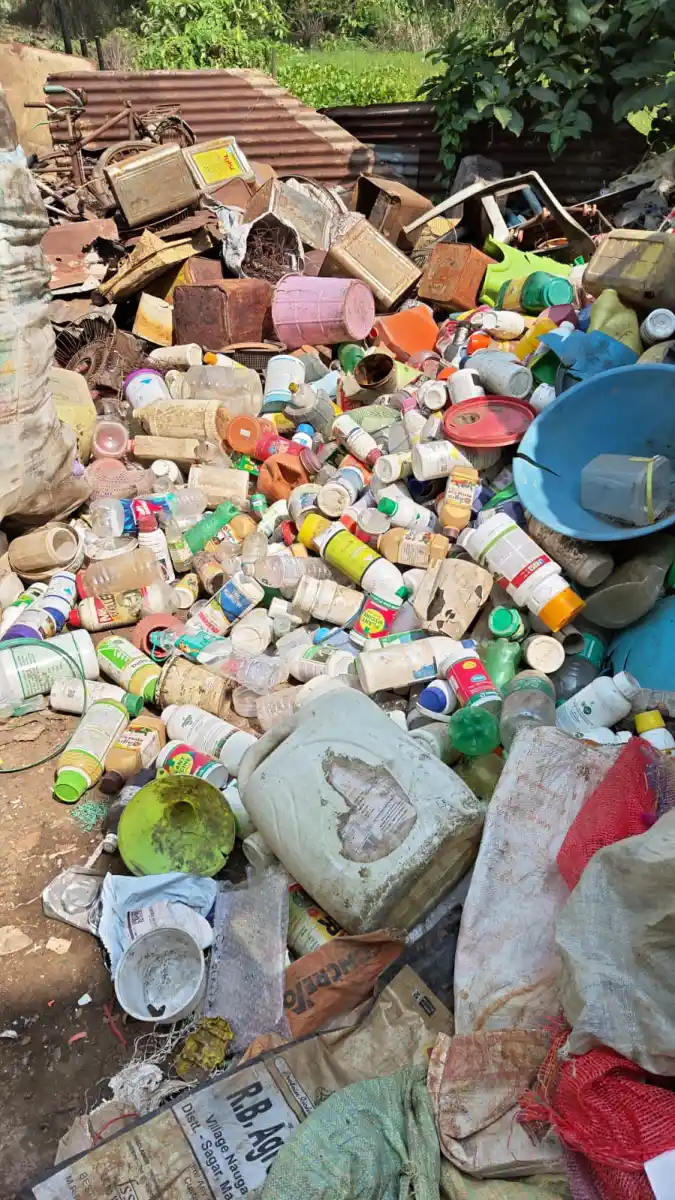
HDPE Waste: Drums, pipes, bottles, industrial containers
LDPE Waste: Carry bags, films, liners
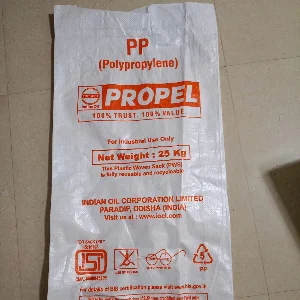
PP Waste: Woven bags, furniture, automotive parts
PVC Waste: Pipes, cables, profiles
PS Waste: Packaging foam, disposable products
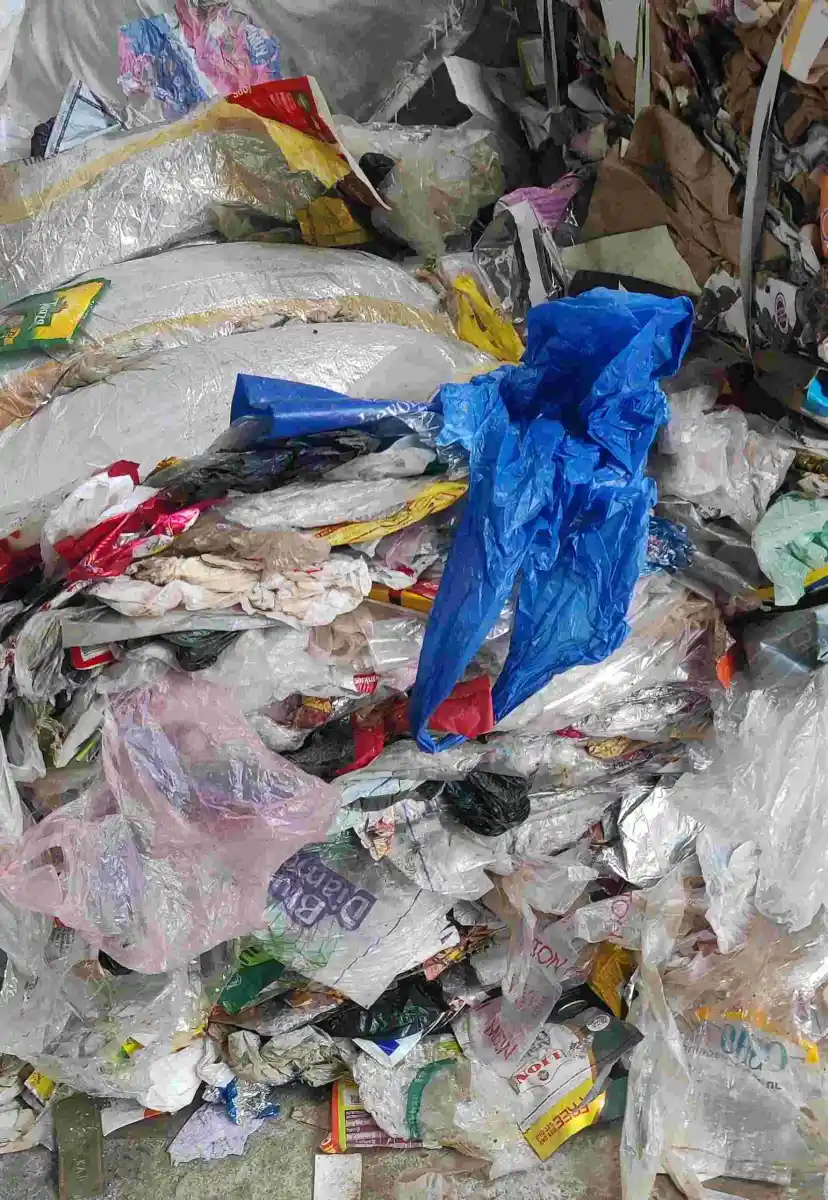
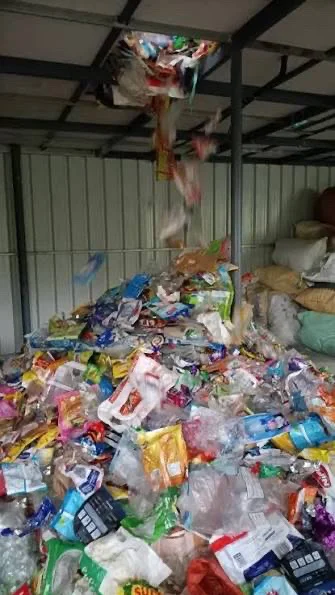
MLP Waste: Multi-layer packaging and laminated materials
Classification by Form:
- Plastic Scrap
- Plastic Regrind
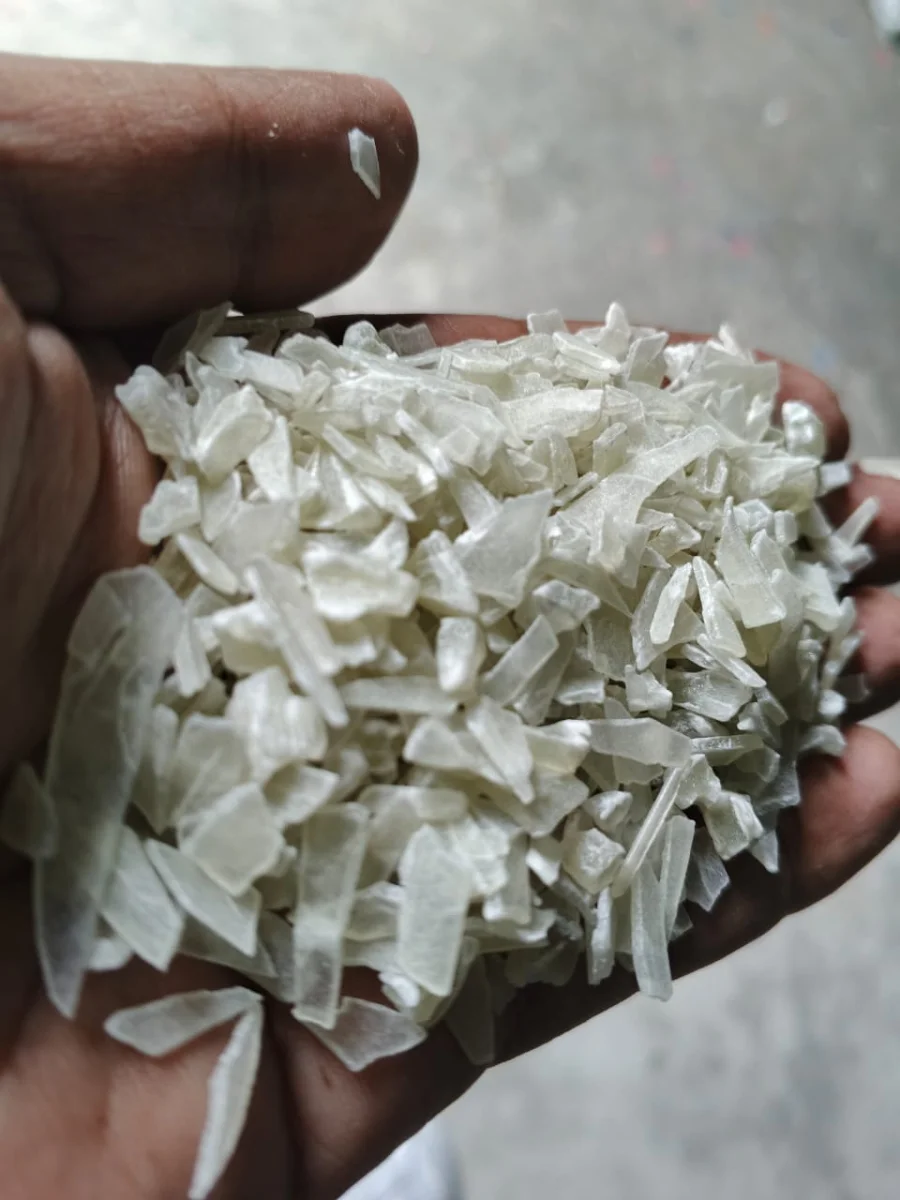
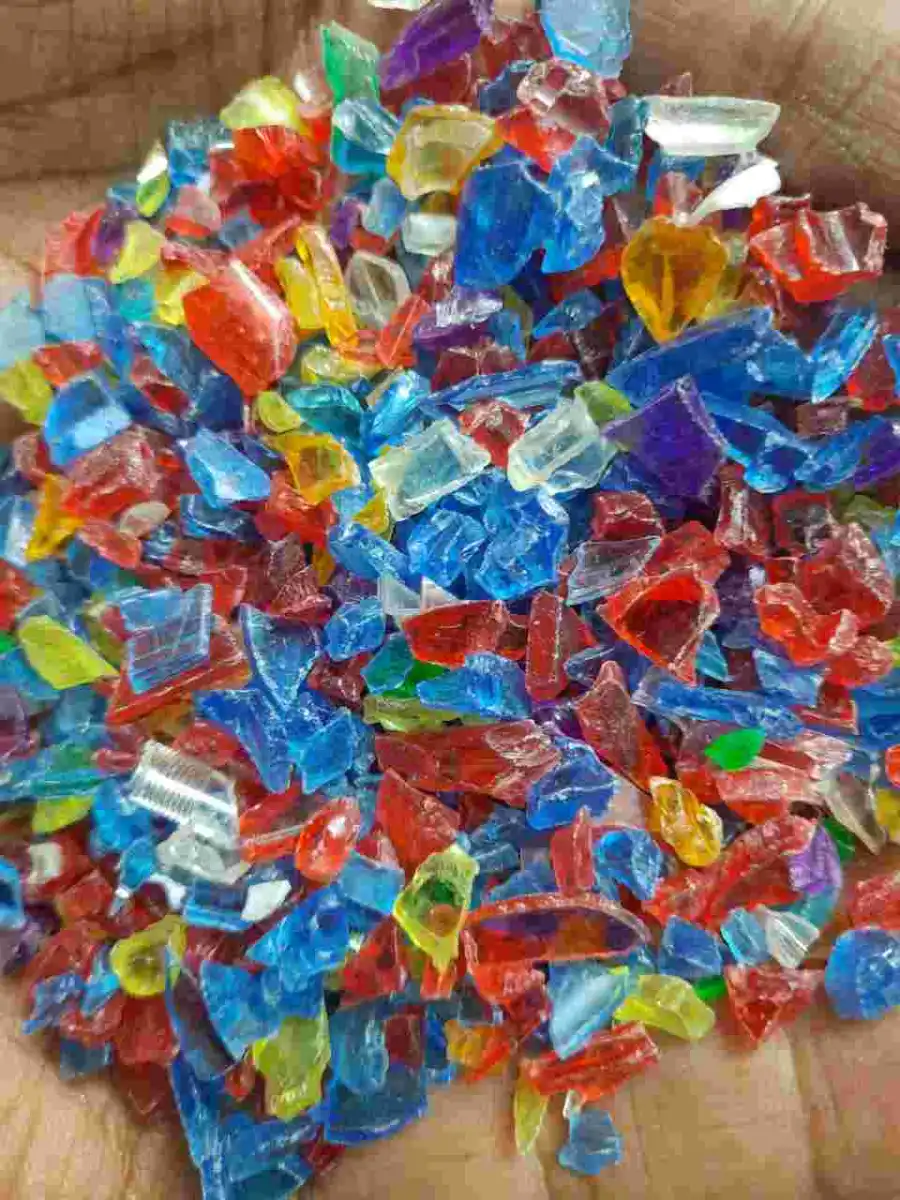
- Plastic Flakes
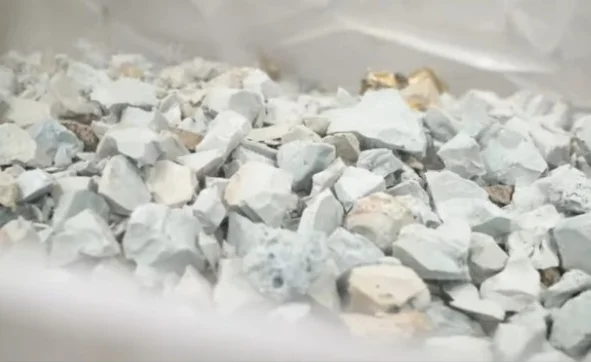
- Plastic Lumps
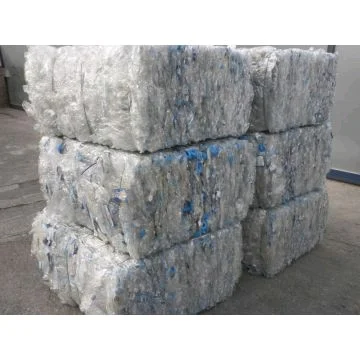
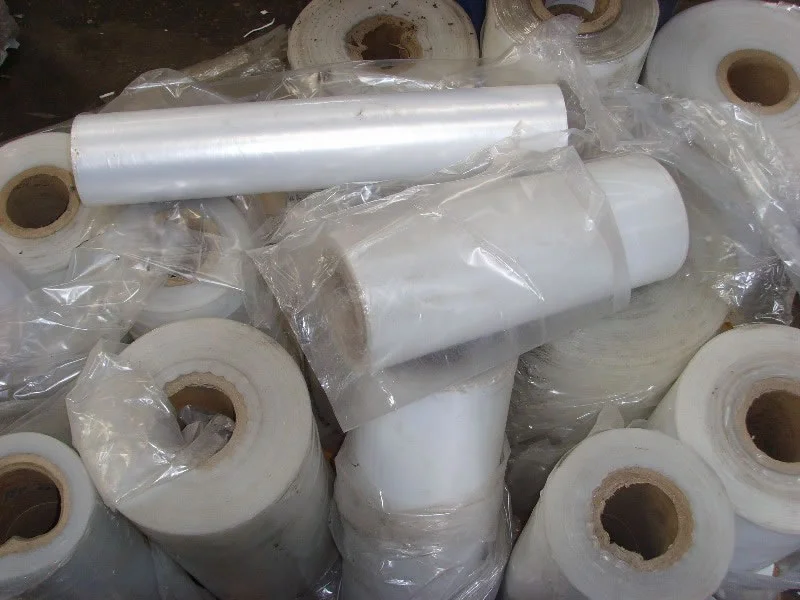
- Plastic Film Waste
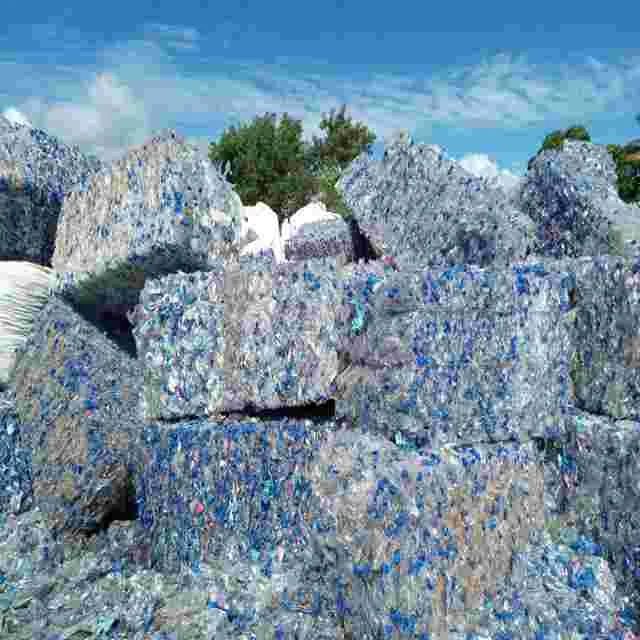
- Plastic Bottle Waste
- Plastic Granules from Recycling
3. Sources of Plastic Waste
Major Sources of Plastic Waste:
Packaging Industry: Flexible packaging, bottles, pouches, films, containers
Households: Daily-use products, carry bags, food packaging
Industrial Manufacturing: Injection molding waste, extrusion waste, production rejects
Agriculture: Plastic mulch, irrigation systems, fertilizer packaging
Healthcare: Medical disposables and packaging materials
Automotive Industry: Vehicle interior and exterior plastic components
Construction Sector: Pipes, insulation, sheets, fittings
Plastic waste generation is increasing globally because of growing plastic consumption and urbanization.
4. How Plastic Waste is Collected and Processed
Plastic Waste Management Process:
Collection: Waste is collected from households, industries, commercial centers, and waste recovery facilities.
Sorting: Materials are separated based on polymer type, color, and contamination level.
Cleaning: Dirt, labels, oils, and contaminants are removed.
Grinding and Shredding: Plastic waste is converted into flakes or small pieces.
Reprocessing: Materials are melted and converted into recycled granules or pellets.
Manufacturing: New products and industrial uses are made from recycled plastic.
Processing Methods:
- Mechanical Recycling
- Chemical Recycling
- Pyrolysis
- Waste-to-Energy Recovery
- Plastic Compounding
- Pelletizing
Modern recycling technologies are helping improve plastic waste recovery and reuse efficiency.
5. Plastic Waste Products and Recycled Applications
|
Recycled Product |
Application |
|
Recycled Plastic Granules |
Plastic manufacturing |
|
Plastic Lumber |
Construction industry |
|
Recycled Carry Bags |
Packaging |
|
Plastic Sheets |
Industrial applications |
|
Recycled Pipes |
Construction and irrigation |
|
Plastic Furniture |
Consumer products |
|
Road Construction Materials |
Infrastructure projects |
|
Industrial Containers |
Packaging and logistics |
6. Environmental Impact of Plastic Waste
Improperly managed plastic waste can create serious environmental challenges.
Environmental Concerns:
- Land and water pollution
- Marine ecosystem damage
- Wildlife hazards
- Microplastic contamination
- Long decomposition period
- Blockage of drainage systems
Sustainable Waste Management Solutions:
- Recycling and reuse systems
- Waste segregation programs
- Circular economy initiatives
- Plastic collection and recovery systems
- Sustainable packaging innovations
- Public awareness campaigns
Note:
Proper collection, sorting, and recycling infrastructure are essential for reducing environmental impact.
7. Plastic Waste Recycling Information
Plastic waste recycling plays an important role in resource conservation and waste reduction.
Recycling Process:
- Collection
- Sorting
- Washing and Cleaning
- Grinding and Shredding
- Melt Processing
- Pellet Manufacturing
- Product Manufacturing
Recycled Plastic Products:
- Packaging materials
- Industrial products
- Construction materials
- Utility containers
- Textile fibers
- Automotive parts
Recycling Codes:
|
Plastic Type |
Recycling Code |
|
PET |
♳ #1 |
|
HDPE |
♴ #2 |
|
PVC |
♵ #3 |
|
LDPE |
♶ #4 |
|
PP |
♷ #5 |
|
PS |
♸ #6 |
|
Others |
♹ #7 |
8. Find Plastic Waste Buyers, Suppliers, Recyclers, Exporters, Importers
Best Platforms to Find Plastic Waste Businesses:
- Plastic4trade
- Alibaba
- IndiaMART
- TradeIndia
- Scrap recycling marketplaces
Other Methods:
- Recycling industry exhibitions
- Plastic waste management expos
- Scrap trade fairs
- Sustainability conferences
- LinkedIn business networking
9. Plastic Waste Recycling Companies (India and Overseas)
Major Plastic Waste Recycling Companies - India:
- Banyan Nation
- Lucro Plastecycle
- Nepra Resource Management
- Re Sustainability Limited
- Local recycling industries and aggregators
Major Recycling Companies - Overseas:
- Veolia (France)
- Waste Management Inc. (USA)
- SUEZ Recycling (France)
- Biffa Plc (UK)
- TOMRA Systems (Norway)
10. Plastic Waste Market Analysis
The global plastic waste management and recycling market is growing rapidly because of increasing environmental awareness, recycling regulations, and circular economy initiatives.
Major Demand Regions:
- Asia-Pacific
- Europe
- North America
- Middle East
Growth Drivers:
- Rising recycling industry investments
- Government regulations on waste management
- Increasing demand for recycled plastics
- Expansion of sustainable manufacturing systems
- Growth in circular economy initiatives
Challenges:
- Poor waste segregation systems
- Recycling infrastructure limitations
- Contamination in plastic waste streams
- Difficulty recycling multi-layer plastics
- Fluctuating recycled plastic prices
11. Plastic Waste Properties and Recycling Characteristics
|
Property |
Typical Characteristics |
|
Durability |
High |
|
Recyclability |
Depends on polymer type |
|
Moisture Resistance |
Excellent |
|
Weight |
Lightweight |
|
Chemical Resistance |
Good |
|
Decomposition Time |
Very Long |
|
Energy Recovery Potential |
High |
|
Processing Compatibility |
Polymer-dependent |
Plastic waste materials vary greatly depending on polymer type, contamination level, and end-use application.
12. Advantages & Disadvantages of Plastic Waste Recycling
Advantages (Pros):
- Reduces landfill waste
- Conserves raw materials
- Supports circular economy
- Saves manufacturing energy
- Creates recycling industry employment
- Reduces environmental pollution
Disadvantages (Cons):
- Sorting and cleaning challenges
- Recycling contamination issues
- Limited recyclability of some plastics
- High processing cost for mixed waste
- Quality reduction after repeated recycling
Conclusion
Plastic waste management and recycling have become essential parts of modern environmental sustainability and industrial manufacturing systems. Although plastic waste creates major environmental challenges, it also provides valuable opportunities for recycling, resource recovery, and circular economy development. With advancements in recycling technologies, waste collection systems, and sustainable product design, plastic waste is increasingly being transformed into reusable industrial raw materials. As industries and governments continue focusing on sustainability and responsible waste management, plastic waste recycling will continue playing a critical role in the future of global manufacturing and environmental protection.