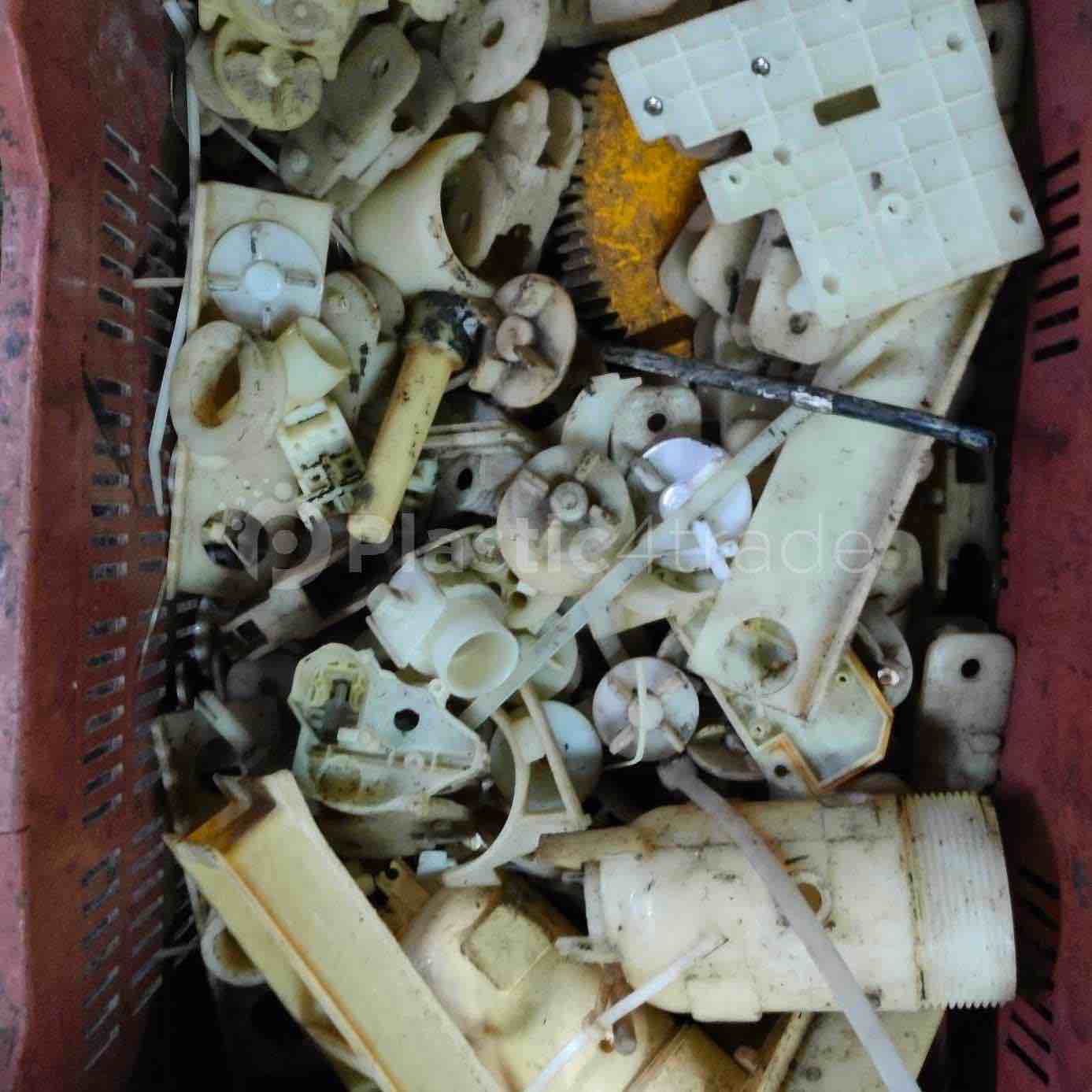
All About PPA (Polyphthalamide): Types, Uses, Manufacturing, Market, Recycling, and More
1. What is PPA?
Let’s start with the basics. PPA stands for Polyphthalamide—a mouthful, I know. It’s a specialty nylon, part of the engineering plastics family, but don’t lump it in with standard nylons like Nylon 6 or 66. PPA can handle higher temperatures, fights off chemicals, stays strong under pressure, and keeps its shape when things heat up.
You’ll find PPA wherever there’s a job too tough for regular plastics. Think under the hoods of cars, inside electrical connectors, in industrial machinery, consumer gadgets, fluid systems—you name it. Its knack for standing up to heat and stress makes it a favorite for modern manufacturing.
Key features:
- High-performance engineering plastic
- Great heat resistance
- Strong and tough
- Takes on chemicals without blinking
- Doesn’t suck up much moisture
- Made for tough industrial jobs
2. Types, Categories, and Grades of PPA
Categories:
- Unfilled PPA: Lightweight, solid chemical resistance, great stability, and electrical properties.
- Glass-Fiber Reinforced: More stiffness and strength, perfect for parts that need to take a beating.
- Mineral-Filled: These grades shrink and expand less—good news for precision parts.
- Flame Retardant: Made for electronics where extra fire safety counts.
Types:
- Automotive PPA: Under-the-hood, engine, and fuel system parts.
- Electrical PPA: Connectors, switches, housings.
- Industrial PPA: For pumps, valves, gears, etc.
- Food Contact PPA: Used where safe for food processing.
- High-Temp PPA: Made to handle constant, high heat.
Grades:
- Injection Molding Grade
- Glass-Filled Grade
- Mineral-Filled Grade
- Flame Retardant Grade
- Automotive Grade
- Electrical Grade
- High Strength Grade
3. Where Is PPA Used?
Automotive
It’s hard to find a modern car without PPA parts. You’ll see it in:
- Fuel lines
- Thermostat housings
- Air manifolds
- Sensor housings
- Engine covers
- Cooling system components
- Anywhere under the hood that gets hot
Electrical and Electronics
PPA is a go-to for its insulation and stability:
- Connectors
- Breakers
- Switches
- Relay parts
- Cable management
- Device housings
Industrial Machinery
Anywhere you need durable, precise parts:
- Pump and valve housings
- Bearings, gears, mechanical fasteners
- All kinds of machine parts
Consumer Appliances
Think:
- Coffee makers
- Water filters
- Household appliances
- Heating and kitchen gadgets
Fluid Handling
PPA is tough against chemicals, so it works for:
- Water systems
- Parts for transferring chemicals
- Pipes
- Hydraulic parts
4. How Is PPA Made?
- First, manufacturers pick the right aromatic and aliphatic monomers for strong, heat-loving chains.
- They run these through controlled polymerization to build Polyphthalamide molecules.
- Additives (for things like strength or flame resistance) and fillers get mixed in.
- The mixture becomes pellets or granules for molding.
- They test the batch for strength, heat tolerance, chemical resistance, moisture, electrical properties, and dimensional stability.
- The pellets become finished products by injection molding, extrusion, precision and overmolding, or even assembly.
PPA really shines in precision parts.
5. Examples of PPA Products
You’ll spot PPA in:
Automotive: Fuel system & sensor housings
Electronics: Connectors & switches
Industry: Pump housings, gears, valves
Fluid systems: Valve bodies
Consumer goods: Appliance parts
6. Sustainability and the Environment
Okay, PPA isn’t biodegradable. But it lasts a long time, so you don’t need to replace parts as often, which helps cut waste.
Where does it help?
- Long-life car and machine parts
- High-efficiency electronic systems
- Lighter transportation components that save energy
Lightweight PPA can also help lower energy use, especially in cars and factories.
7. PPA Recycling
Yes, you can recycle PPA. The process looks like this:
- Collect used parts
- Sort and clean them
- Grind them up
- Melt and reprocess
- Make new pellets
Recycled PPA goes into industrial and automotive components, among others. But pay attention: reinforced or filled grades need special handling during recycling.
8. Finding PPA Buyers, Suppliers, and Manufacturers
Check out:
- Plastic4trade
- IndiaMART
- TradeIndia
Also, try:
- Plastics trade fairs and exhibitions
- Automotive supplier expos
- Electrical industry events
- LinkedIn business networking
9. Major PPA Manufacturers
India:
- Engineering polymer distributors
- Specialty compounding firms
- Automotive plastics suppliers
World:
- BASF SE (Germany)
- Solvay SA (Belgium)
- DuPont (USA)
- Evonik Industries (Germany)
- Arkema (France)
10. The PPA Market
PPA is on the rise. Automotive, electrical, and industrial sectors are all snapping it up.
Big demand regions:
- Asia-Pacific
- North America
- Europe
- Middle East
Growth is driven by:
- Lighter vehicles
- More electric cars
- More electronics manufacturing
- Need for heat-resistant material
- Automated industry growth
But... challenges include:
- Costs more than regular nylons
- Trickier to process
- Faces competition from other plastics
- Raw material prices jump around
11. PPA: Technical Properties Snapshot
- Heat Resistance: Excellent
- Mechanical Strength: High
- Chemical Resistance: Excellent
- Moisture Absorption: Low
- Dimensional Stability: Excellent
- Electrical Insulation: Good
- Wear Resistance: Good
- Processing: Good
It’s prized for keeping its cool and staying strong when things get rough.
12. PPA Pros & Cons
Pros:
- Handles heat like a champ
- Tough and stable
- Laughs at most chemicals
- Doesn’t absorb much water
- Keeps its shape
- Light but strong—good alternative to metal
- Long-lasting
Cons:
- Pricier than standard nylons
- Needs specialized equipment to process
- Not biodegradable
- Reinforced types aren’t always easy to recycle
- Not as flexible as some plastics
Conclusion
PPA is one of today’s top engineering thermoplastics. Its unique blend of heat resistance, chemical stability, strength, and rock-solid dimensions means it fits perfectly in engines, connectors, machines, and high-end consumer goods. As we push toward lighter, more durable products that can take the heat, PPA’s role in engineering and manufacturing just gets bigger.