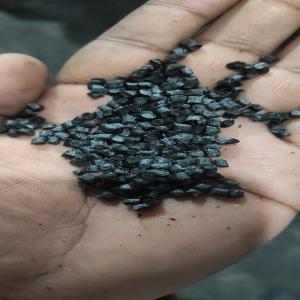
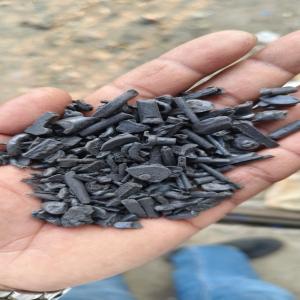
All About PPF (Polypropylene Fiber): Types, Uses, Manufacturing, Market, Recycling, Facts and Information
1. What is PPF? | Full Form and Definition
The full form of PPF is Polypropylene Fiber, a synthetic fiber manufactured from polypropylene polymer and widely used in construction, textiles, geotextiles, concrete reinforcement, industrial fabrics, hygiene products, and automotive applications. PPF is described as a lightweight, durable, and chemically resistant thermoplastic fiber known for its high tensile strength, moisture resistance, and cost-effective performance.
PPF is one of the most widely used synthetic fibers because it offers excellent resistance to chemicals, low water absorption, and long-lasting durability. It is especially important in the construction industry, where polypropylene fibers are added to concrete and cement mixtures to improve crack resistance and structural performance.
Because of its lightweight nature and versatile processing capabilities, PPF is used across multiple industrial and consumer sectors.
Highlights:
- Lightweight synthetic fiber
- Excellent chemical resistance
- Good tensile strength
- Moisture and corrosion resistance
- Cost-effective engineering material
- Widely used in concrete reinforcement
2. PPF Category, Types, and Grades
Categories:
- Monofilament Polypropylene Fiber is mainly used in concrete reinforcement and industrial applications.
- Fibrillated Polypropylene Fiber is designed for crack resistance and structural reinforcement in construction systems.
- Staple Polypropylene Fiber is used in textiles, hygiene products, and nonwoven applications.
- Continuous Filament Polypropylene Fiber is used in industrial fabrics, ropes, and geotextiles.
Types of PPF:
- Concrete Reinforcement Fiber: Applied to construction materials and cement
- Geotextile Fiber: Used in road construction and soil stabilization
- Nonwoven Fiber: Used in hygiene and filtration products
- Textile Grade PPF: Used in carpets, upholstery, and fabrics
- Industrial Fiber: Used in ropes, packaging, and woven products
- Automotive Fiber: Used in vehicle interiors and insulation systems
Grades:
- Construction Grade
- Textile Grade
- Geotextile Grade
- Nonwoven Grade
- Industrial Grade
- High Strength Grade
- UV Stabilized Grade
3. PPF Uses, Applications, and Products
The Uses of PPF in:
- Construction Industry: Concrete reinforcement, crack prevention, shotcrete applications, plaster reinforcement
- Textile Industry: Carpets, upholstery, sportswear, woven fabrics
- Geotextile Applications: Road stabilization, drainage systems, erosion control
- Automotive Industry: Interior fabrics, insulation materials, floor coverings
- Packaging Industry: Woven sacks, industrial packaging fabrics, ropes
- Healthcare & Hygiene Solutions: Disposable face masks, diapers for babies and adults, women’s sanitary care products, and a wide range of other healthcare-focused materials.
- Agriculture: Crop covers, shade nets, agricultural fabrics
PPF is frequently chosen because it increases durability, decreases cracking, and offers lightweight reinforcement options.
4. How is PPF Manufactured or Made | Processing Steps
PPF Production Process:
- Polypropylene Polymer Preparation: The main raw material is chosen to be polypropylene resin.
- Melting and Extrusion: The polymer is melted and extruded through spinnerets to form fine fibers.
- Stretching and Orientation: Fibers are stretched to improve tensile strength and durability.
- Cutting or Winding: Fibers are either cut into staple lengths or wound as continuous filaments.
- Surface Treatment: Some fibers receive coatings or additives for UV stability, anti-static performance, or improved bonding.
Product Manufacturing Methods:
- Melt Spinning
- Extrusion
- Fiber Drawing
- Needle Punching
- Weaving and Nonwoven Processing
Modern PPF manufacturing systems are optimized for high productivity and consistent fiber quality.
5. List of PPF-Made Goods and Finished Products
|
Product
|
Application
|
|
Polypropylene Concrete Fibers
|
Construction industry
|
|
Geotextile Fabrics
|
Infrastructure projects
|
|
Nonwoven Hygiene Products
|
Healthcare applications
|
|
Woven Packaging Bags
|
Industrial packaging
|
|
Automotive Interior Fabrics
|
Vehicle industry
|
|
Agricultural Shade Nets
|
Farming applications
|
|
Polypropylene Ropes
|
Industrial use
|
|
Carpet and Upholstery Fibers
|
Textile industry
|
6. PPF Biodegradable Uses and Sustainable Applications
Standard PPF is not biodegradable. However, its durability and recyclability support long-term industrial performance and material efficiency.
Sustainable PPF Applications:
- Lightweight reinforcement systems
- Long-life geotextile solutions
- Recyclable woven packaging products
- Durable industrial fabrics
Note:
Polypropylene fibers are being employed more and more in construction because they help concrete constructions last longer and require less care.
7. PPF Recycling Information
PPF materials can generally be recycled and reused in industrial applications.
Recycling Process:
- Collection
- Sorting
- Cleaning
- Grinding and Shredding
- Melt Reprocessing
- Pellet Manufacturing
Recycled PPF Products:
- Utility fibers
- Industrial fabrics
- Plastic compounds
- Packaging materials
- Construction products
Recycling Code:
PPF generally falls under ♷ (Number 5 Plastic – Polypropylene Category).
8. Find PPF Buyers, Suppliers, Manufacturers, Exporters, Importers
Best Platforms to Find PPF Suppliers and Buyers:
- Plastic4trade
- IndiaMART
- TradeIndia
Other Methods:
- Construction material exhibitions
- Textile and fiber trade fairs
- Geotextile industry expos
- Packaging exhibitions
- LinkedIn business networking
9. PPF Raw Material Manufacturers (India and Overseas)
Major PPF Manufacturers - India:
- Reliance Industries Limited
- Supreme Industries
- Garware Technical Fibres
- Synthetic fiber manufacturers
- Nonwoven fabric producers
Major PPF Manufacturers - Overseas:
- Indorama Ventures (Thailand)
- LyondellBasell (Netherlands)
- ExxonMobil Chemical (USA)
- SABIC (Saudi Arabia)
- Berry Global (USA)
10. PPF Market Analysis
The global PPF market is growing steadily because of increasing demand from construction, geotextiles, hygiene products, automotive interiors, and industrial packaging sectors.
Major Demand Regions:
- Asia-Pacific
- North America
- Europe
- Middle East
Growth Drivers:
- Expansion of infrastructure and construction projects
- Rising demand for crack-resistant concrete systems
- Growth in the hygiene and nonwoven industries
- Increasing use of geotextiles in road construction
- Demand for lightweight industrial materials
Challenges:
- Environmental concerns regarding plastic waste
- Competition from alternative synthetic fibers
- Raw material price fluctuations
- Recycling limitations in mixed textile products
11. PPF Properties and Technical Data Sheet Report
|
Property
|
Typical Performance
|
|
Density
|
Low
|
|
Tensile Strength
|
Good
|
|
Moisture Resistance
|
Excellent
|
|
Chemical Resistance
|
Excellent
|
|
Abrasion Resistance
|
Good
|
|
Flexibility
|
Good
|
|
Thermal Insulation
|
Moderate
|
|
Durability
|
High
|
PPF is highly valued for its lightweight structure, durability, moisture resistance, and reinforcement capability.
12. Advantages & Disadvantages of PPF
Advantages (Pros):
- Lightweight and durable
- Excellent chemical resistance
- Moisture and corrosion resistant
- Cost-effective reinforcement material
- Good crack resistance in concrete
- Recyclable thermoplastic fiber
Disadvantages (Cons):
- Not naturally biodegradable
- Limited heat resistance compared to specialty fibers
- UV exposure may require stabilizers
- Lower stiffness compared to glass or carbon fibers
Conclusion
Polypropylene Fiber (PPF) is widely recognized as a key synthetic fiber utilized in industries such as construction, textiles, geotextiles, personal hygiene products, automotive manufacturing, and industrial packaging. Known for its lightweight nature, durability, chemical resistance, and economical value, PPF has become an essential material for modern infrastructure and industrial applications. With growing demand for stronger, lighter, and more efficient reinforcement solutions, polypropylene fiber continues to support innovation in advanced engineering and fiber-based technologies across global markets.