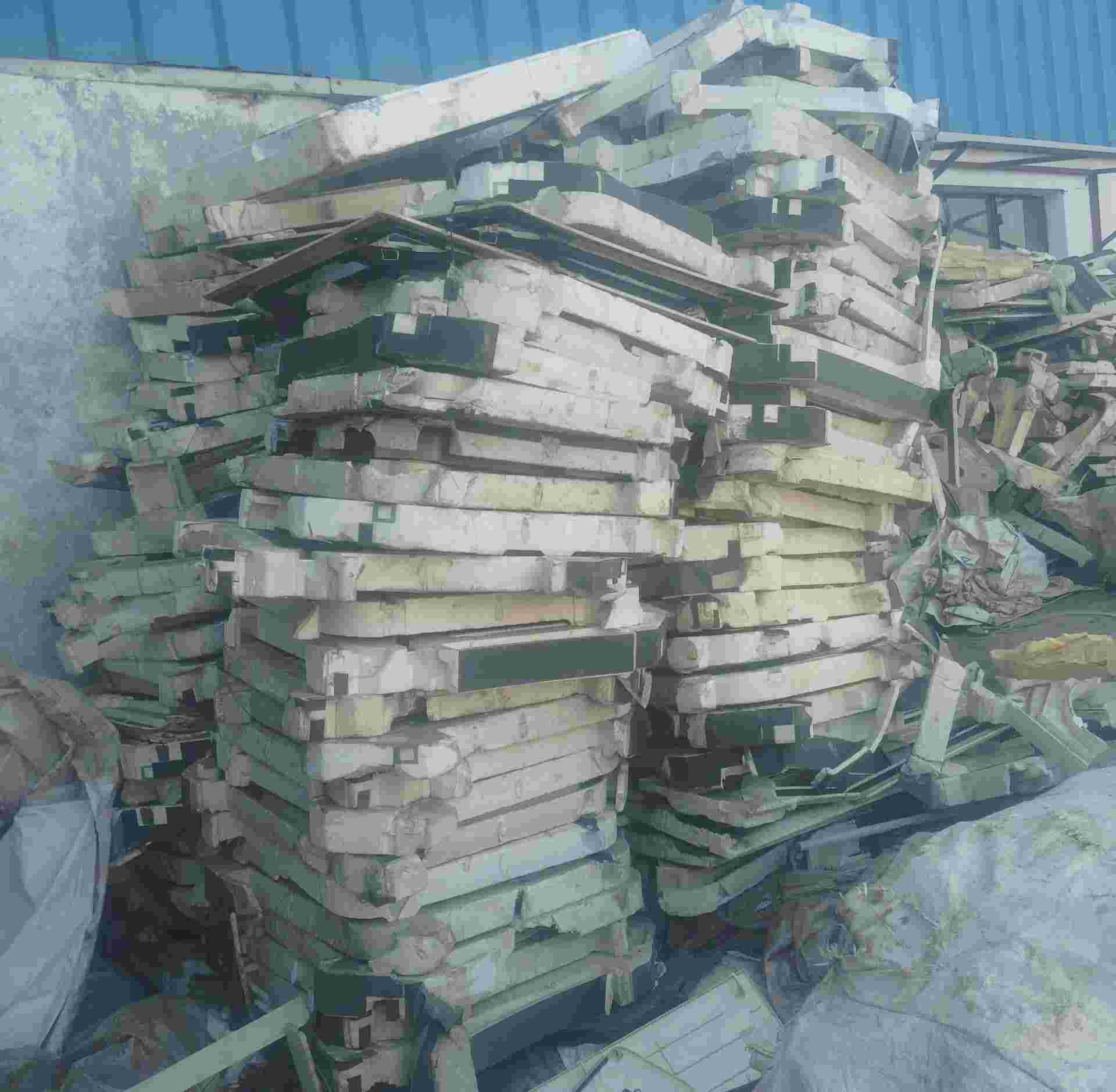
₹ 45
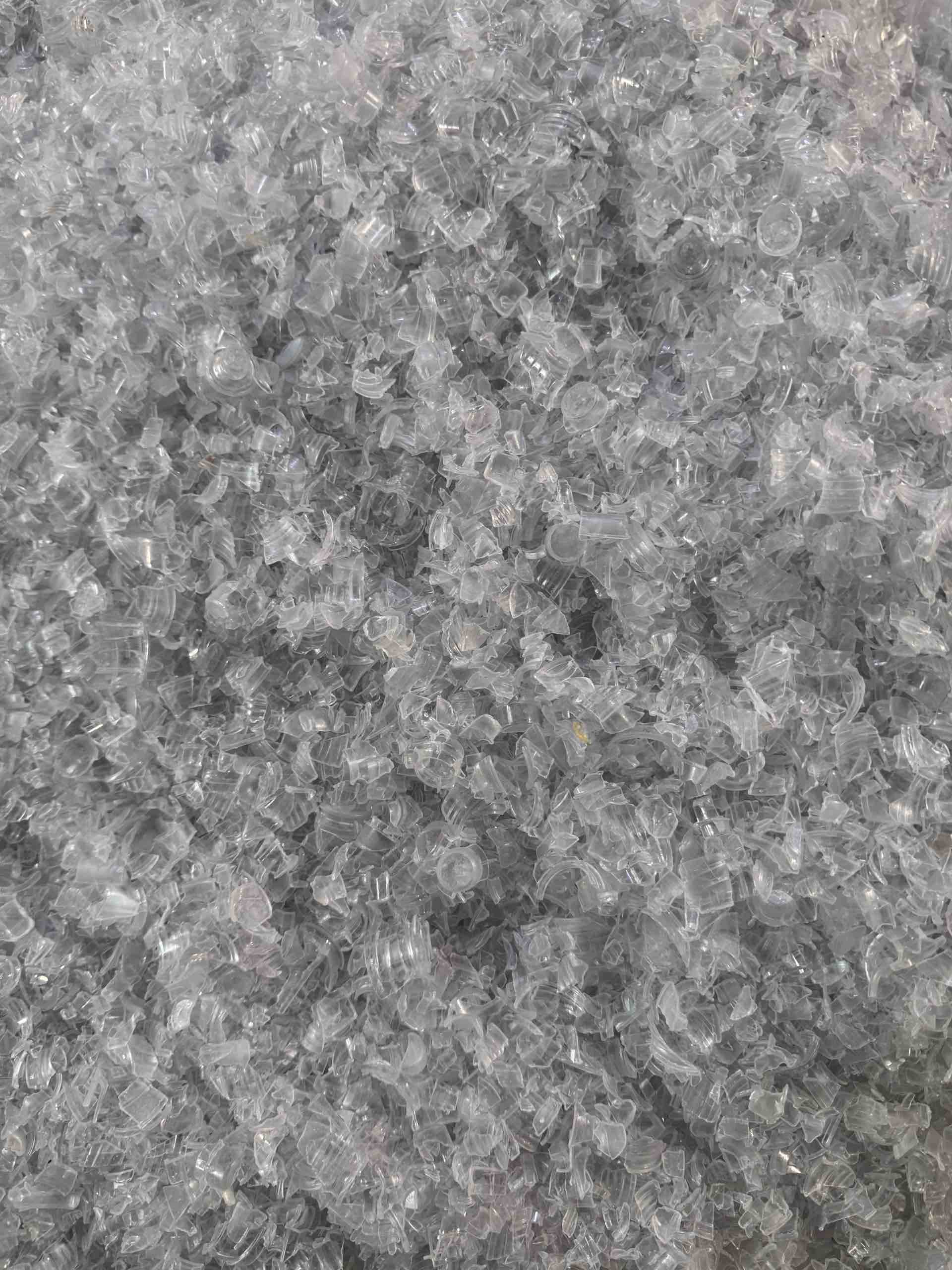
₹ 128

₹ 25
₹ 112
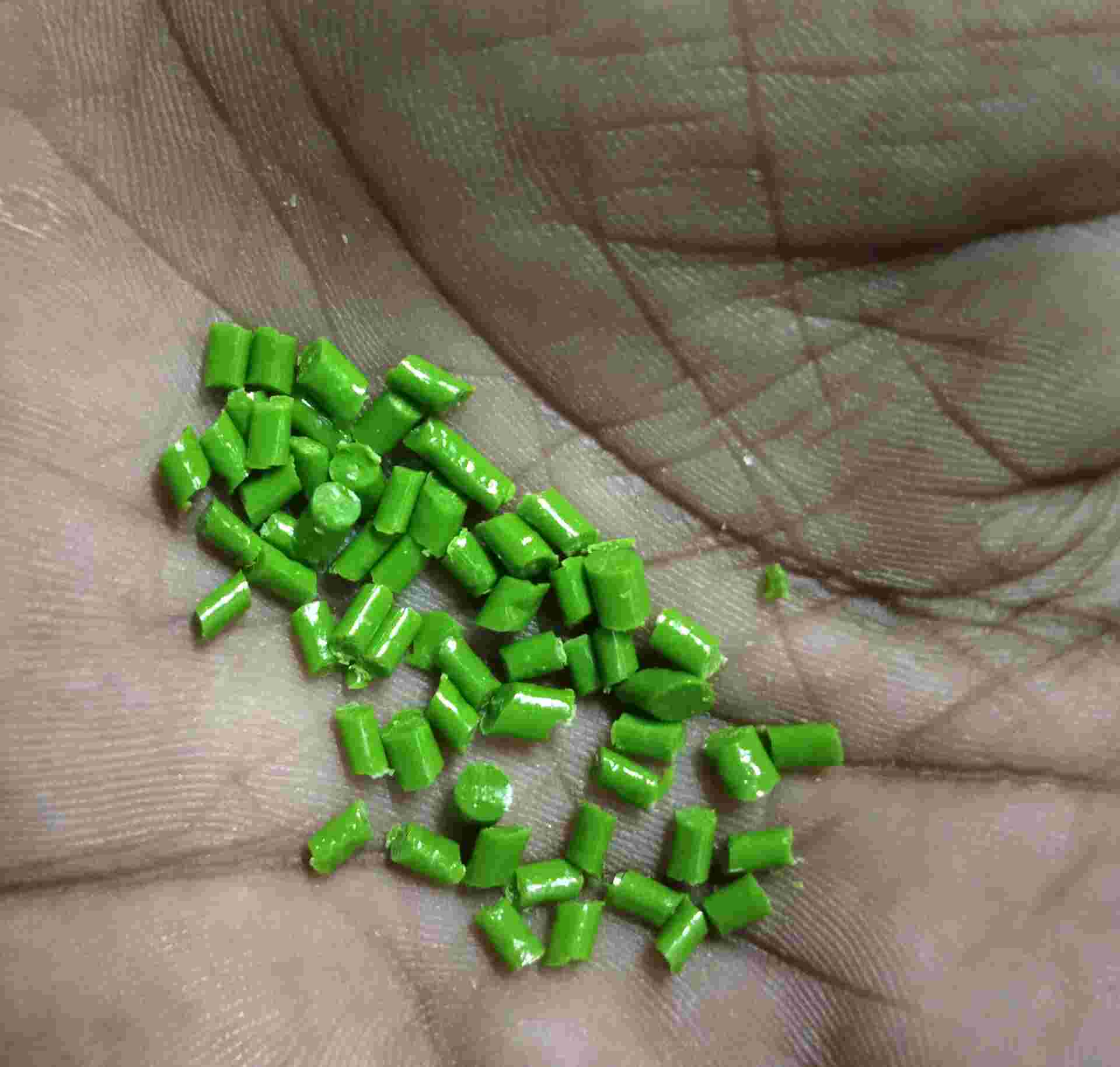
₹ 95
₹ 110
₹ 70

₹ 35

₹ 90

₹ 70
₹ 55
₹ 65

₹ 100
₹ 60
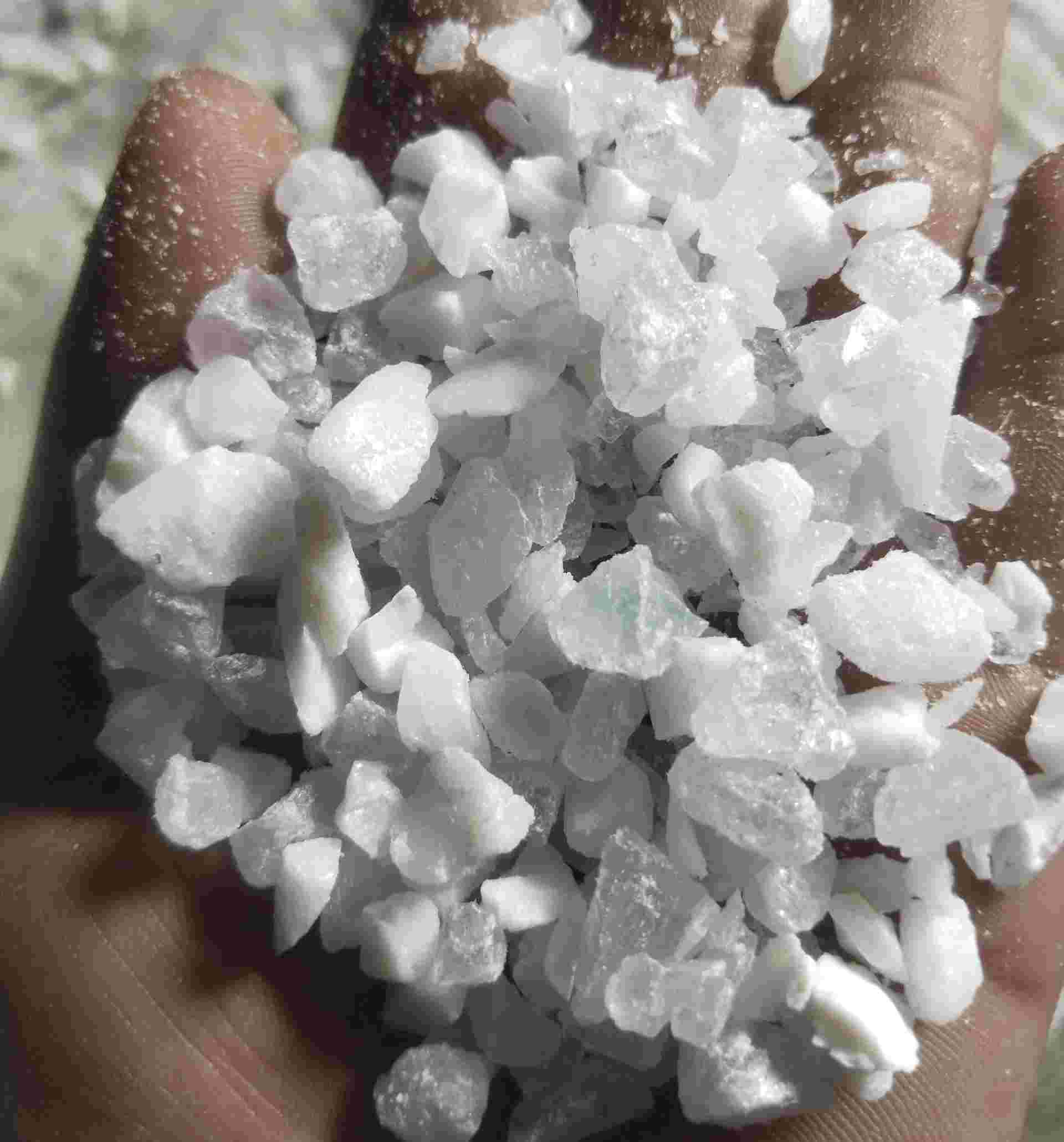
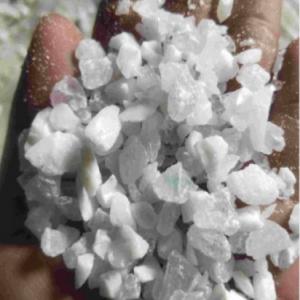
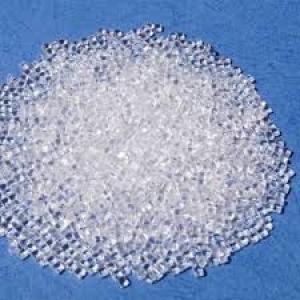
Polystyrene, or PS, is a lightweight plastic made from styrene. It’s clear, rigid, and easy to mold—which means you’ll run into it all over the place. Think takeout containers, foam cups, packing material, electronics, and parts around the house. It’s cheap, light, and handy for manufacturers.
The basics:
Categories:
Virgin PS: Fresh material, reliable quality. Used where standards matter, like food packaging and single-use items.
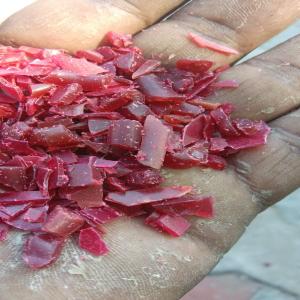
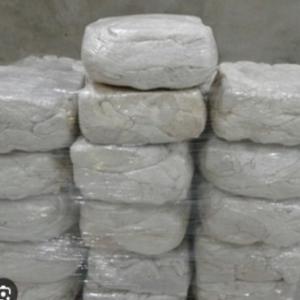
Recycled PS: Made from post-consumer or factory waste, common for bulk packaging and utility products.
Types:
GPPS (General Purpose): Clear, rigid—typical for packaging and small everyday items.
HIPS (High Impact): Modified to be tougher, not as brittle.
EPS (Expanded Polystyrene): That familiar lightweight, airy foam used for insulating and packing.
XPS (Extruded Polystyrene): Strong foam sheets, mostly found in walls and roofs.
Grades:
Starts with styrene monomers—they’re strung together into polystyrene chains. Then extras like colors or strengtheners get added. The mix is shaped and turned into small pellets. These end up as finished products through methods like:
Not really. Standard polystyrene doesn’t break down on its own. People are working on greener versions—meanwhile, recycling and designing for reuse are the big pushes. On the bright side, EPS foam does cut energy use by keeping things insulated during shipping or at home.
Polystyrene can get recycled, but only where proper facilities are set up. It gets collected, cleaned, compressed or chopped, melted, and made into pellets for fresh products—like insulation boards or more packaging. Look for recycling code 6 (♸).
Big B2B sites are your go-to: Plastic4trade, Alibaba, IndiaMART, and TradeIndia. Trade shows and expos also bring buyers and sellers together, and you can always make connections on LinkedIn.
India: Supreme Petrochem Limited, Reliance Industries, LG Polymers India, INEOS Styrolution India, Bhansali Engineering Polymers.
International: INEOS Styrolution (Germany), TotalEnergies (France), Trinseo (USA), SABIC (Saudi Arabia), Chi Mei Corporation (Taiwan).
Demand is climbing—especially in packaging, construction, electronics, and everyday gadgets. Big buyers are mostly in Asia-Pacific, North America, Europe, and the Middle East. There’s a surge thanks to e-commerce, takeout, building, and consumer goods.
What’s the catch? Regulations over single-use plastics, recycling headaches, and upcoming greener materials keep things tricky.
Density: 1.04–1.06 g/cm³
Impact resistance: good (especially HIPS)
Insulation: top tier for EPS and XPS
Electrical insulation: solid
Stiffness: high
In the end, people love PS for its balance of lightness, stiffness, and ease of use.
Pros:
Cons:
Conclusion
Polystyrene isn’t going anywhere soon—its low cost, light weight, and usefulness keep it king in packaging, insulation, electronics, and more. Sure, it’s got issues (especially for the environment), but new methods in recycling and alternative materials are starting to lead the way.