₹ 88
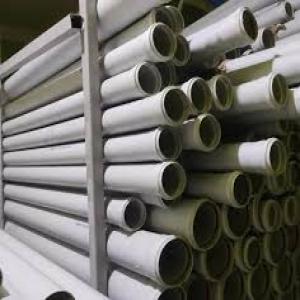
₹ 70
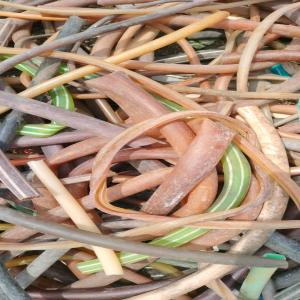
₹ 34
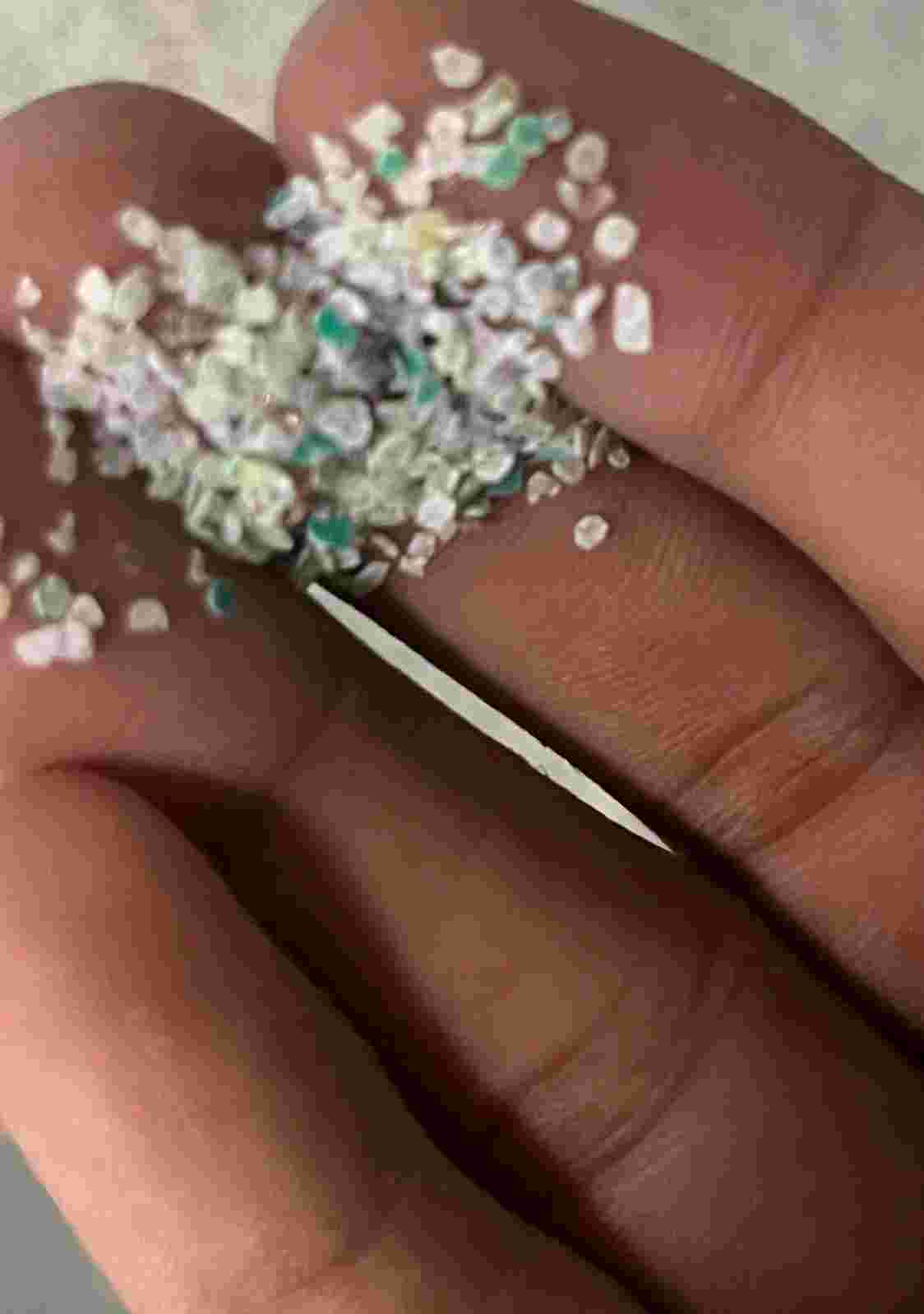
₹ 10
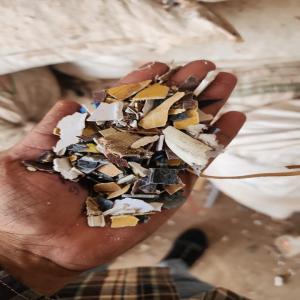
₹ 13
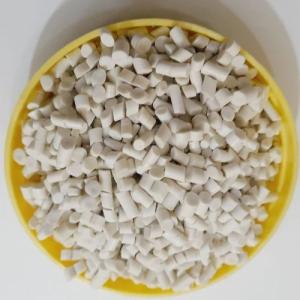
₹ 80
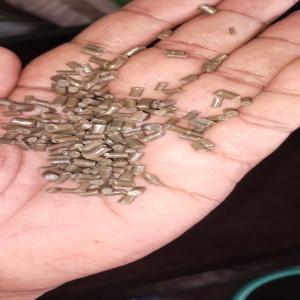
₹ 50
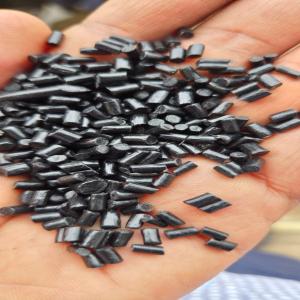
₹ 45
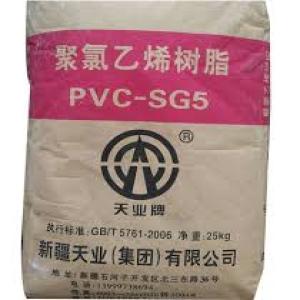
₹ 76
₹ 75
₹ 40
₹ 80
₹ 10
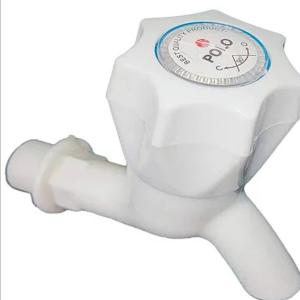
₹ 9
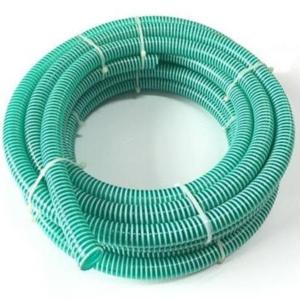
₹ 80
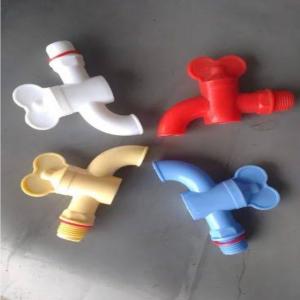
₹ 3
The full form of PVC is Polyvinyl Chloride. It is one of the most widely used synthetic thermoplastic polymers in the world. PVC is a durable, lightweight, and versatile plastic material made by polymerizing vinyl chloride monomers.
Polyvinyl Chloride is known for its excellent chemical resistance, durability, weather resistance, and affordability, making it suitable for construction, electrical, healthcare, packaging, automotive, and industrial applications.
Highlights:
Categories:
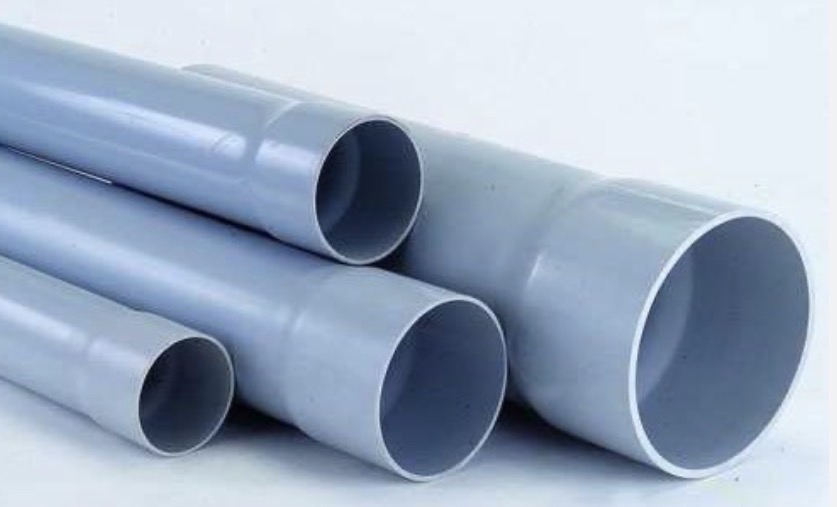
Rigid PVC (uPVC) is a hard, durable form of PVC used in pipes, doors, windows, fittings, and other construction applications.
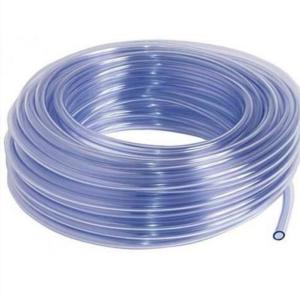
Flexible PVC is made by adding plasticizers and is commonly used in cables, hoses, pipes, flooring, gardening, medical products, and flexible sheets.
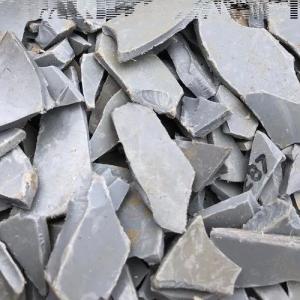
Recycled PVC is produced from post-industrial or consumer waste and is used in flooring, pipes, profiles, and more.
Types of PVC:
PVC Pipe Grade: For water supply, drainage, and sewage systems
PVC Cable Grade: For electrical insulation and wire coatings
PVC Medical Grade: For tubing, blood bags, and medical packaging
PVC Film Grade: For packaging films and sheets
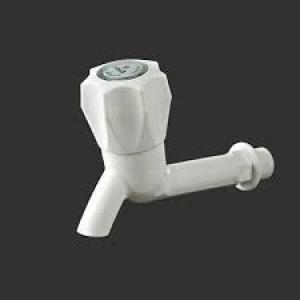
PVC Injection Molding Grade: For fittings and household products
PVC Sheet Grade: For construction panels and signage
PVC Flooring Grade: For vinyl flooring and decorative sheets
Grades:
The Uses of PVC Plastic in:
Construction: Pipes, window profiles, doors, roofing sheets, wall panels
Electrical Industry: Cable insulation, conduit pipes, electrical fittings
Healthcare: Blood bags, IV tubes, oxygen masks, medical packaging
Packaging: Shrink films, blister packaging, bottles
Automotive: Dashboard components, trims, cable insulation
Consumer Goods: Flooring, furniture, raincoats, footwear
Agriculture: Irrigation pipes, flexible hoses, greenhouse films
PVC Production Process:
Polymerization of Vinyl Chloride Monomer (VCM): Vinyl chloride is polymerized using suspension or emulsion polymerization methods.
Compounding: Additives such as stabilizers, plasticizers, lubricants, and fillers are mixed with PVC resin to achieve the required properties.
Powder Processing: For use in manufacturing, the material is turned into pellets or powder.
Product Manufacturing:
|
Product |
Application |
|
PVC Pipes |
Water supply and drainage systems |
|
PVC Cable Insulation |
Electrical wiring protection |
|
PVC Flooring |
Residential and commercial flooring |
|
PVC Sheets |
Construction and signage |
|
PVC Medical Tubing |
Healthcare applications |
|
PVC Bottles |
Packaging industry |
|
PVC Hoses |
Agriculture and industrial use |
|
PVC Window Profiles |
Building and construction |
Standard PVC is not biodegradable. To lessen the impact on the environment, recyclable PVC compounds and sustainable PVC solutions are being developed.
Sustainable PVC Applications:
Note:
PVC goods are prized for their durability and long lifespan, which lessens the need for regular material replacement and waste production.
Mechanical recycling techniques allow PVC to be recycled several times.
Recycling Process:
Recycled PVC Products:
Recycling Code:
♵ (Number 3 Plastic)
Best Platforms to Find PVC Suppliers and Buyers:
Other Methods:
Major PVC Raw Material Manufacturers - India:
Major PVC Raw Material Manufacturers - Overseas:
10. PVC Market Analysis
The PVC market is estimated to be worth between $75 and $90 billion worldwide, and from 2024 to 2030, it is anticipated to develop at a steady 4% to 5% CAGR.
Major Demand Regions:
Growth Drivers:
Challenges:
|
Property |
Typical Range |
|
Density |
1.30 to 1.45 g/cm³ |
|
Tensile Strength |
35 to 60 MPa |
|
Flexibility |
Rigid to Flexible |
|
Chemical Resistance |
Excellent |
|
Electrical Insulation |
Excellent |
|
Melting Temperature |
100°C - 260°C (processing dependent) |
|
Weather Resistance |
Good |
|
Water Absorption |
Very Low |
PVC is perfect for long-term industrial and construction applications because of its superior insulation, corrosion resistance, and durability.
Advantages (Pros):
Disadvantages (Cons):
Conclusion
PVC continues to be one of the most significant and extensively utilized plastic materials in the packaging, automotive, electrical, healthcare, and construction sectors. Strong demand is still being driven by its affordability, chemical resistance, durability, and adaptability. The future of PVC goods and uses in contemporary industries is still very important due to developments in recycling technologies and sustainable PVC solutions.