All About TPR (Thermoplastic Rubber): Types, Uses, Manufacturing, Market, Recycling, Facts and Information
1. What is TPR? | Full Form and Definition
- The full form of TPR is Thermoplastic Rubber, a versatile polymer material that combines the flexibility and elasticity of rubber with the processing advantages of thermoplastics. TPR is defined as a thermoplastic elastomer (TPE) that behaves like rubber in finished products but can be melted, molded, and reprocessed like plastic during manufacturing.
- TPR is widely used in footwear, automotive components, household products, toys, medical products, construction materials, and industrial applications. It is valued for its soft-touch feel, durability, impact resistance, flexibility, and ease of processing.
- Unlike conventional vulcanized rubber, TPR does not require complex curing processes, making production faster and more cost-effective. Its ability to be recycled and reprocessed also makes it attractive for manufacturers seeking efficient material solutions.
Highlights:
- Rubber-like flexibility
- Easy thermoplastic processing
- Excellent shock absorption
- Good abrasion resistance
- Soft-touch surface finish
- Recyclable and reusable
2. TPR Category, Types, and Grades
Categories:
- General-purpose TPR is used in consumer products, footwear, and everyday molded applications.
- Engineering TPR is designed for industrial and automotive applications requiring enhanced durability.
- Medical Grade TPR is manufactured for healthcare and medical device applications.
- Food Contact TPR is used in kitchenware, food containers, and consumer products requiring regulatory compliance.
Types of TPR:
- Footwear Grade TPR: Used for shoe soles, sandals, and sports footwear
- Injection Molding Grade TPR: Used for consumer goods and industrial products
- Automotive Grade TPR: Used in seals, trims, and vibration-control components
- Soft-Touch Grade TPR: Used in handles, grips, and ergonomic products
- Transparent TPR: Used in specialty consumer and decorative products
- Industrial Grade TPR: Used in machinery components and protective equipment
Grades:
- Soft Grade
- Medium Hardness Grade
- High Elasticity Grade
- Automotive Grade
- Medical Grade
- Consumer Product Grade
- Industrial Grade
3. TPR Uses, Applications, and Products
The Uses of TPR in:
- Footwear Industry: Shoe soles, slippers, sandals, sports shoes, safety footwear
- Automotive Industry: Floor mats, seals, gaskets, interior trims, vibration dampers
- Consumer Products: Toothbrush handles, tool grips, kitchen accessories, toys
- Medical Industry: Medical grips, healthcare equipment parts, wearable accessories
- Construction Industry: Sealing strips, protective profiles, insulation accessories
- Industrial Applications: Rollers, protective covers, machine components
- Electronics Industry: Cable protectors, device covers, flexible housings
- TPR is highly preferred in applications requiring comfort, flexibility, grip, and durability.
4. How is TPR Manufactured or Made | Processing Steps
TPR Production Process:
- Raw Material Selection: Styrenic block copolymers, polyolefins, oils, fillers, and additives are selected based on performance requirements.
- Compounding: The ingredients are blended using industrial mixers and extrusion systems.
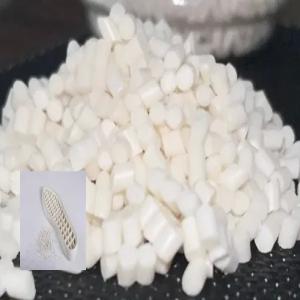
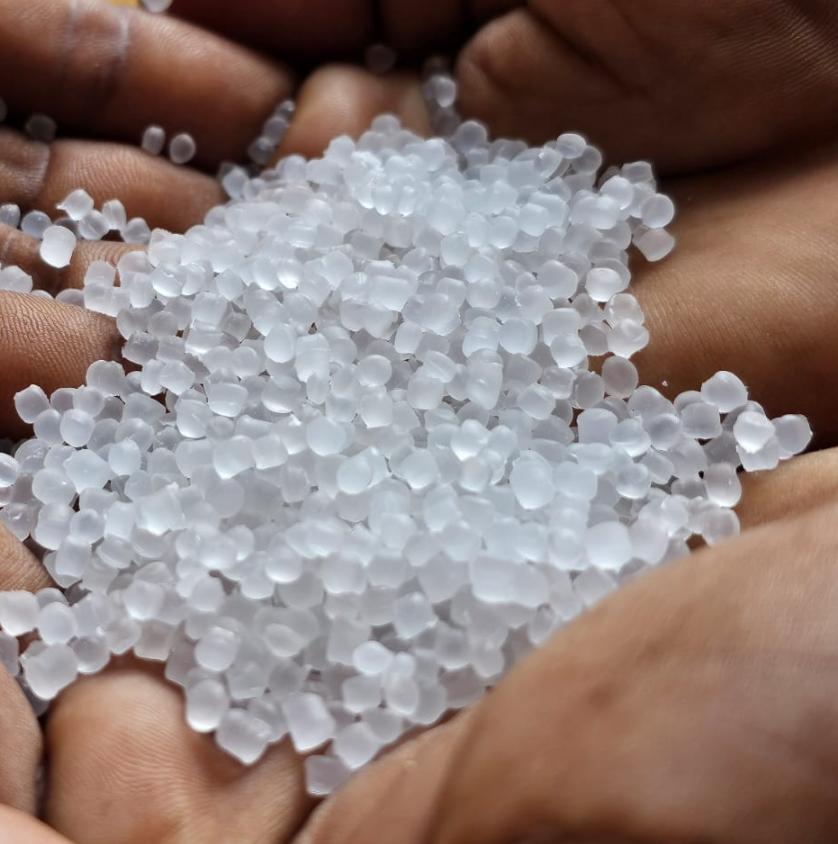
- Extrusion and Pelletizing: The compounded material is processed into pellets or granules for manufacturing.
- Quality Testing: Hardness, elasticity, tensile strength, and durability are tested before commercial use.
Product Manufacturing Methods:
- Injection Molding
- Extrusion
- Blow Molding
- Compression Molding
- Overmolding
- TPR is easy to process and can be molded into complex shapes with excellent surface quality.
5. List of TPR-Made Goods and Finished Products
|
Product
|
Application
|
|
TPR Shoe Soles
|
Footwear industry
|
|
TPR Tool Grips
|
Industrial tools
|
|
TPR Floor Mats
|
Automotive industry
|
|
TPR Toys
|
Consumer products
|
|
TPR Kitchen Handles
|
Household products
|
|
TPR Seals & Gaskets
|
Industrial applications
|
|
TPR Cable Protectors
|
Electronics industry
|
|
TPR Medical Grips
|
Healthcare products
|
6. TPR Sustainable Applications and Environmental Considerations
Standard TPR is not biodegradable, but it offers environmental benefits through recyclability and long product life.
Sustainable TPR Applications:
- Reusable consumer goods
- Durable footwear products
- Long-life automotive components
- Recyclable industrial products
Note: Because TPR can often be reprocessed, manufacturing waste can frequently be reused during production, reducing material loss.
7. TPR Recycling Information
TPR can generally be recycled and reused in various industrial applications because it behaves like a thermoplastic material.
Recycling Process:
- Collection
- Sorting
- Cleaning
- Grinding
- Melt Reprocessing
- Pellet Production
Recycled TPR Products:
- Utility mats
- Footwear components
- Industrial molded products
- Flexible accessories
- Construction materials
- Recycling Information:
- The recyclability of TPR depends on its formulation, contamination level, and compatibility with other materials.
8. Find TPR Buyers, Suppliers, Manufacturers, Exporters, Importers
- Best Platforms to Find TPR Suppliers and Buyers:
- Plastic4trade
- Alibaba
- IndiaMART
- TradeIndia
Other Methods:
- Footwear industry exhibitions
- Polymer and elastomer trade fairs
- Automotive component expos
- Industrial material exhibitions
- LinkedIn business networking
9. TPR Manufacturers (India and Overseas)
Major TPR Manufacturers - India:
- Supreme Petrochem Ltd.
- Reliance Industries Limited (compound suppliers)
- Specialty thermoplastic elastomer manufacturers
- Footwear compound manufacturers
- Major TPR Manufacturers - Overseas:
- Kraton Corporation (USA)
- LCY Chemical Corp. (Taiwan)
- Dynasol Group (Spain)
- Asahi Kasei Corporation (Japan)
- TSRC Corporation (Taiwan)
10. TPR Market Analysis
The global TPR market is experiencing steady growth due to increasing demand from the footwear, automotive, consumer goods, and industrial manufacturing sectors.
Major Demand Regions:
- Asia-Pacific
- Europe
- North America
- Middle East
Growth Drivers:
- Expansion of footwear manufacturing
- Rising demand for ergonomic consumer products
- Growth in automotive interior applications
- Increasing use of soft-touch materials
- Demand for lightweight and flexible components
Challenges:
- Competition from other thermoplastic elastomers
- Raw material price fluctuations
- Environmental concerns regarding plastic waste
- Performance limitations in extreme temperatures
11. TPR Properties and Technical Data Sheet Report
|
Property
|
Typical Performance
|
|
Flexibility
|
Excellent
|
|
Elasticity
|
High
|
|
Abrasion Resistance
|
Good
|
|
Impact Resistance
|
Good
|
|
Soft-Touch Feel
|
Excellent
|
|
Chemical Resistance
|
Moderate
|
|
Recyclability
|
Good
|
|
Processability
|
Excellent
|
TPR is highly valued for its comfort, durability, grip, and easy manufacturability.
12. Advantages & Disadvantages of TPR
Advantages (Pros):
- Rubber-like flexibility
- Comfortable soft-touch surface
- Good shock absorption
- Easy processing and molding
- Recyclable material
- Cost-effective manufacturing
Disadvantages (Cons):
- Not naturally biodegradable
- Lower heat resistance than some engineering polymers
- Can deform under prolonged high temperatures
- Certain grades may have limited chemical resistance
Conclusion
TPR (Thermoplastic Rubber) is one of the most widely used thermoplastic elastomers in modern manufacturing. Its combination of flexibility, comfort, durability, and processing efficiency makes it ideal for footwear, automotive parts, household products, industrial goods, and consumer applications. As manufacturers continue seeking lightweight, recyclable, and high-performance materials, TPR remains a preferred solution across multiple industries worldwide.