All About TPU (Thermoplastic Polyurethane): Types, Uses, Manufacturing, Market, Recycling, Facts and Information
1. What is TPU? | Full Form and Definition
- TPU full form is Thermoplastic Polyurethane, a versatile elastomeric polymer known for its excellent flexibility, abrasion resistance, elasticity, transparency, and mechanical strength. The Definition of TPU is a high-performance thermoplastic elastomer that combines the properties of rubber and plastic, offering both flexibility and durability in a wide range of industrial and consumer applications.
-
- TPU belongs to the polyurethane family and is widely used in footwear, automotive parts, mobile accessories, industrial components, medical products, textiles, sports equipment, and electronic devices. Unlike traditional rubber materials, TPU can be processed using standard thermoplastic manufacturing methods such as injection molding and extrusion.
-
- One of the most important features of TPU is its ability to maintain flexibility while also providing strong resistance to wear, oil, grease, chemicals, and environmental conditions.
Highlights:
- Excellent flexibility and elasticity
- High abrasion and tear resistance
- Good transparency and surface finish
- Strong impact resistance
- Oil and chemical resistance
- Suitable for soft-touch applications
2. TPU Category, Types, and Grades
Categories:
- Polyester-Based TPU offers excellent abrasion resistance, oil resistance, and mechanical strength.
- Polyether-Based TPU provides superior hydrolysis resistance, flexibility at low temperatures, and microbial resistance.
- Bio-Based TPU is partially manufactured from renewable raw materials for sustainable applications.
Types of TPU:
- Injection Molding Grade TPU: Used in mobile covers, industrial parts, and consumer goods
- Extrusion Grade TPU: Used in films, sheets, tubing, and profiles
- Film Grade TPU: Used in protective films and textile laminations
- Medical Grade TPU: Used in healthcare devices and tubing
- Flame Retardant TPU: Used in electrical and automotive applications
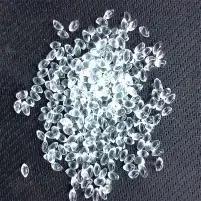
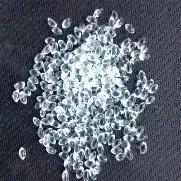
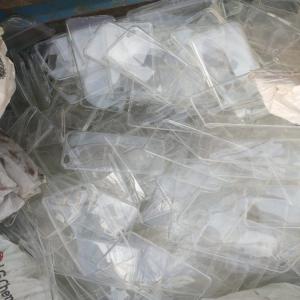
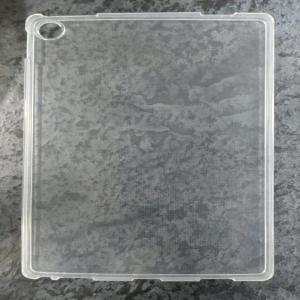
- Transparent TPU: Used in phone cases, fashion accessories, and consumer products
- 3D Printing TPU: Used in flexible additive manufacturing applications
Grades:
- Soft Grade TPU
- Rigid Grade TPU
- Transparent Grade
- Food Contact Grade
- Medical Grade
- Automotive Grade
- High Abrasion Resistant Grade
3. TPU Uses, Applications, and Products
The Uses of TPU in:
- Footwear Industry: Shoe soles, sports shoes, sandals, safety footwear
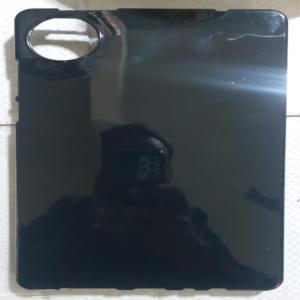
- Mobile Accessories: Phone covers, smartwatch straps, protective cases
- Automotive Industry: Interior trims, cable jackets, seals, vibration-damping parts
- Medical Industry: Catheters, tubing, wearable healthcare devices
- Textile Industry: Waterproof fabrics, sportswear laminations, elastic fibers
- Industrial Uses: Rollers, conveyor belts, hoses, seals, and protective coatings.
- Electronics Industry: Flexible cable insulation and protective casings
- TPU is highly preferred where flexibility, durability, comfort, and impact resistance are important.
4. How is TPU Manufactured or Made | Processing Steps
TPU Production Process:
- Raw Material Selection: Polyols, diisocyanates, and chain extenders are selected based on the desired flexibility and hardness.
- Polymerization: The materials undergo chemical reactions to form thermoplastic polyurethane polymer chains.
- Compounding: Additives such as pigments, stabilizers, flame retardants, and UV protectants are blended into the polymer.
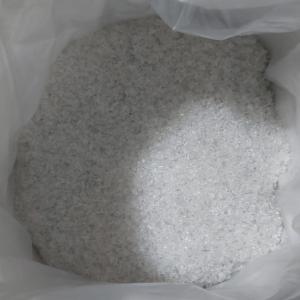
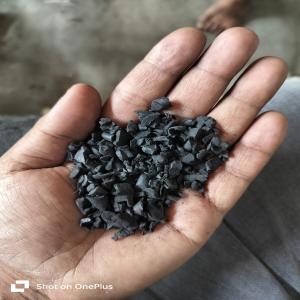
- Pellet Formation: The final TPU material is converted into pellets or granules for industrial processing.
Product Manufacturing Methods:
- Injection Molding
- Extrusion
- Blow Molding
- Film Casting
- 3D Printing
- Thermoforming
- TPU is highly processable and can be manufactured into flexible or semi-rigid products depending on formulation.
5. List of TPU-Made Goods and Finished Products
|
Product
|
Application
|
|
TPU Shoe Soles
|
Footwear industry
|
|
TPU Mobile Covers
|
Consumer electronics
|
|
TPU Tubing
|
Medical and industrial use
|
|
TPU Films
|
Textile and packaging applications
|
|
TPU Conveyor Belts
|
Industrial systems
|
|
TPU Cable Jackets
|
Electrical applications
|
|
TPU Sports Equipment
|
Fitness and leisure industry
|
|
TPU Seals & Gaskets
|
Automotive and machinery
|
6. TPU Biodegradable Uses and Sustainable Applications
Standard TPU is not naturally biodegradable, but some bio-based TPU grades are being developed for environmentally conscious applications.
Sustainable TPU Applications:
- Long-life consumer products
- Recyclable thermoplastic elastomer systems
- Durable sports and footwear materials
- Lightweight automotive components
Note:
Because TPU products are durable and resistant to wear, they help reduce frequent product replacement and material wastage.
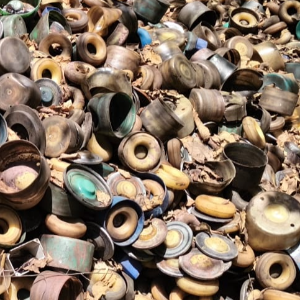
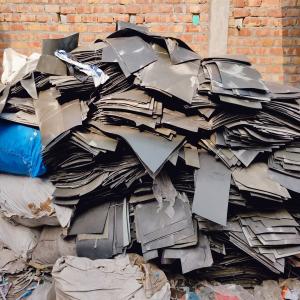
7. TPU Recycling Information
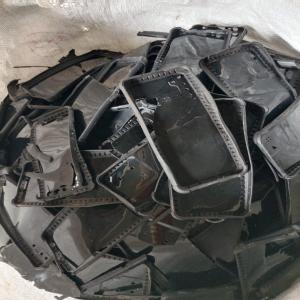
TPU materials can generally be recycled and reprocessed because they are thermoplastic elastomers.
Recycling Process:
- Collection
- Sorting
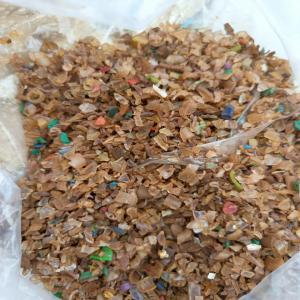
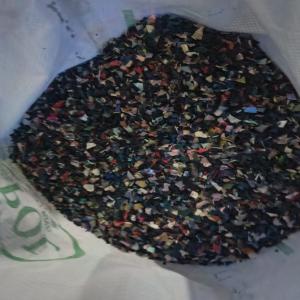
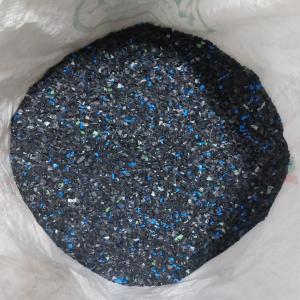
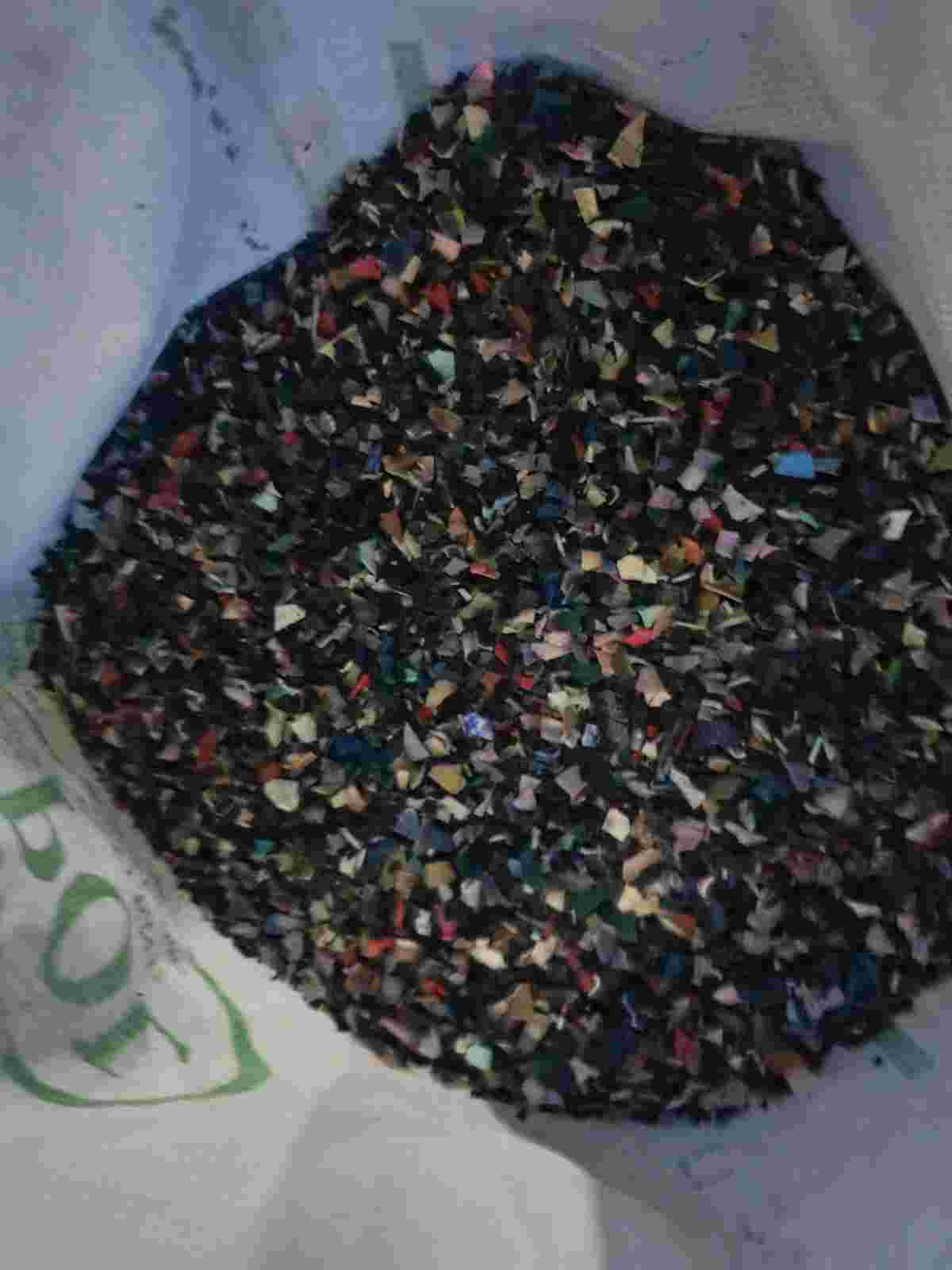
- Grinding and Shredding
- Melt Reprocessing
- Pellet Manufacturing
- Product Remanufacturing
Recycled TPU Products:
- Industrial mats
- Footwear components
- Utility products
- Flexible molded parts
- Industrial sheets
Recycling Information:
TPU recycling efficiency depends on contamination level, additive compatibility, and product formulation.
8. Find TPU Buyers, Suppliers, Manufacturers, Exporters, Importers
Best Platforms to Find TPU Suppliers and Buyers:
- Plastic4trade
- IndiaMART
- TradeIndia
Other Methods:
- Polymer exhibitions
- Footwear industry trade fairs
- Automotive material expos
- Medical polymer conferences
- LinkedIn business networking
9. TPU Raw Material Manufacturers (India and Overseas)
Major TPU Manufacturers - India:
- BASF India
- Lubrizol India
- Covestro India
- Huntsman Polyurethanes
- Specialty elastomer compound manufacturers
Major TPU Manufacturers - Overseas:
- BASF SE (Germany)
- Covestro AG (Germany)
- Lubrizol Corporation (USA)
- Huntsman Corporation (USA)
- Wanhua Chemical Group (China)
10. TPU Market Analysis
The global TPU market is growing rapidly because of increasing demand from the footwear, automotive, electronics, medical, and consumer product industries.
Major Demand Regions:
- Asia-Pacific
- North America
- Europe
- Middle East
Growth Drivers:
- Rising demand for flexible and durable materials
- Expansion of sports footwear manufacturing
- Growth in consumer electronics accessories
- Increasing use in medical and wearable devices
- Development of lightweight automotive components
Challenges:
- Higher production cost compared to commodity plastics
- Sensitivity to moisture during processing
- Competition from alternative elastomer materials
- Environmental concerns related to plastic waste
11. TPU Properties and Technical Data Sheet Report
|
Property
|
Typical Performance
|
|
Flexibility
|
Excellent
|
|
Abrasion Resistance
|
Excellent
|
|
Elasticity
|
High
|
|
Transparency
|
Good to Excellent
|
|
Oil Resistance
|
Good
|
|
Impact Resistance
|
High
|
|
Chemical Resistance
|
Moderate to Good
|
|
Processability
|
Excellent
|
TPU is highly valued for its durability, elasticity, abrasion resistance, and soft-touch performance.
12. Advantages & Disadvantages of TPU
Advantages (Pros):
- Excellent flexibility and elasticity
- Strong abrasion resistance
- Good transparency and aesthetics
- High impact strength
- Oil and grease resistance
- Recyclable thermoplastic structure
Disadvantages (Cons):
- Higher cost than standard plastics
- Moisture-sensitive processing conditions
- Not naturally biodegradable
- Heat resistance is lower than that of some engineering plastics
Conclusion
TPU (Thermoplastic Polyurethane) remains one of the most versatile thermoplastic elastomers used across footwear, automotive, medical, electronics, industrial, and consumer product industries. Its combination of flexibility, durability, transparency, and abrasion resistance makes it highly suitable for modern engineering and lifestyle applications. As industries continue demanding lightweight, high-performance, and durable materials, TPU continues to play a major role in advanced polymer manufacturing and product innovation worldwide.