₹ 172
₹ 111
₹ 177
₹ 175
₹ 55
₹ 140

₹ 27
₹ 125
₹ 74
₹ 35
₹ 5
₹ 3
₹ 119
₹ 35
₹ 100
₹ 8
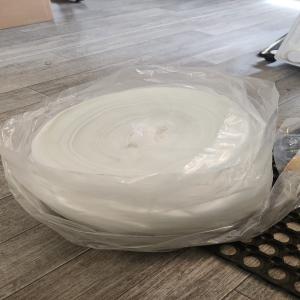
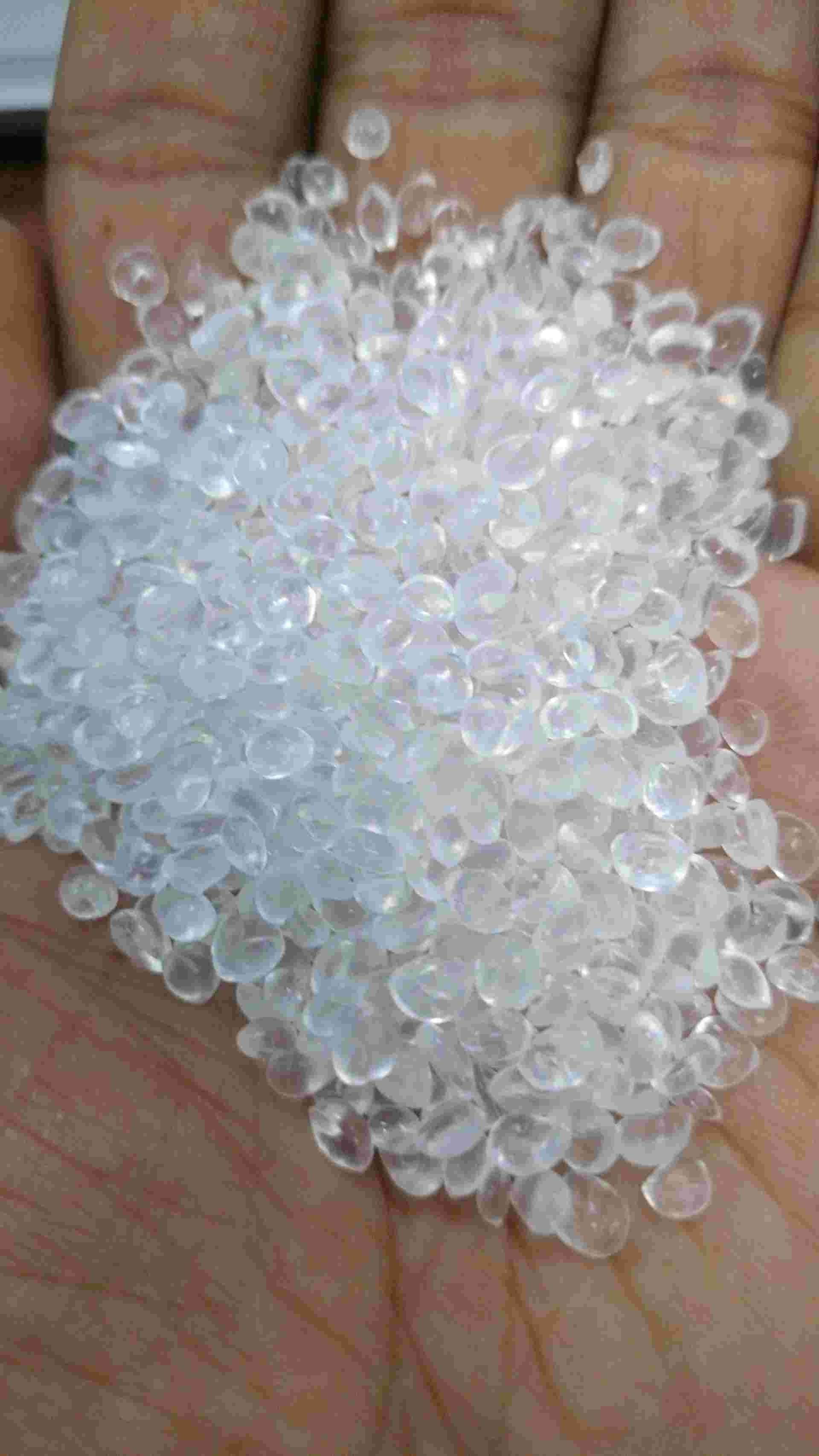
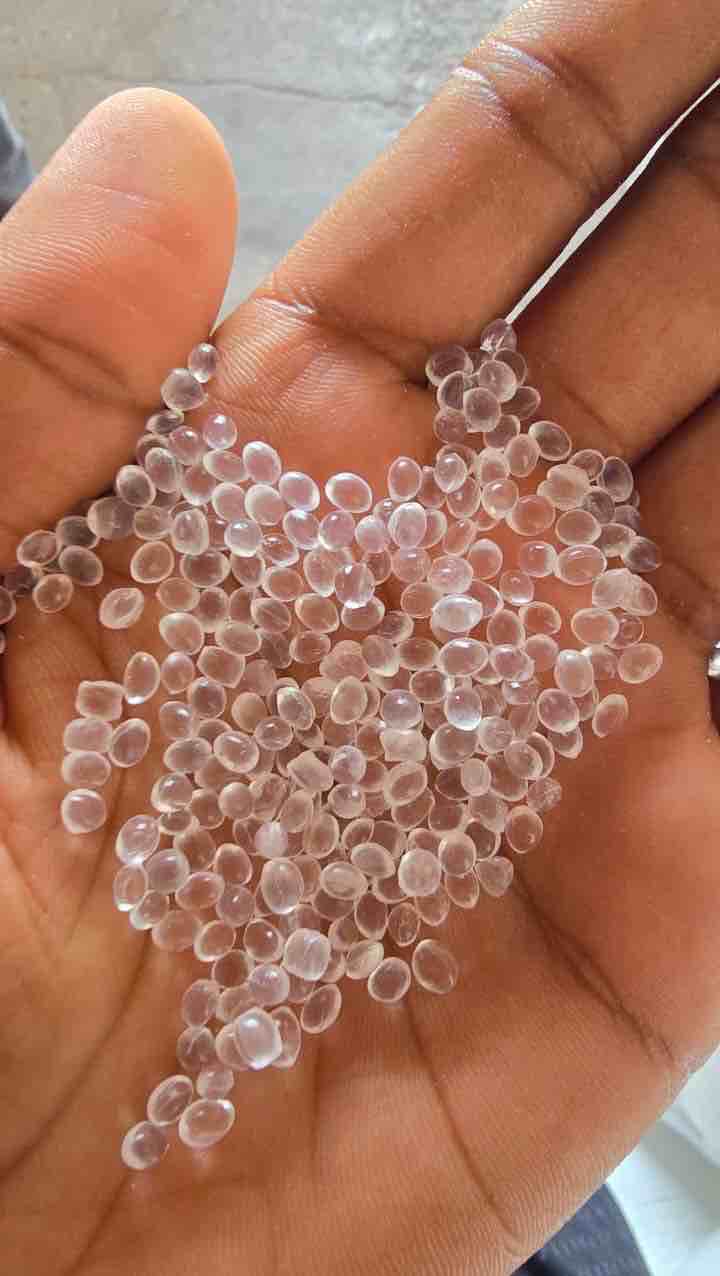
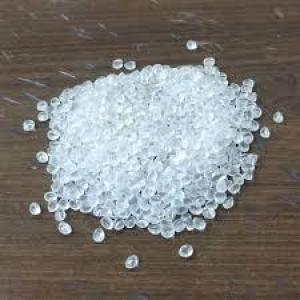
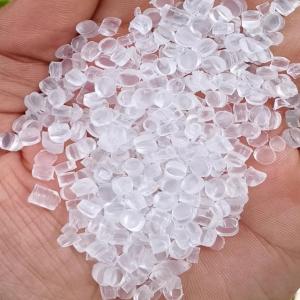
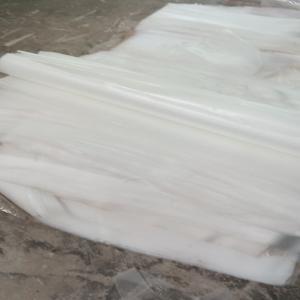
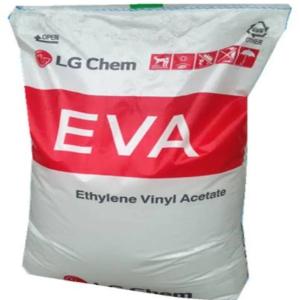
EVA means Ethylene Vinyl Acetate. It’s a soft, flexible plastic made by mixing ethylene and vinyl acetate. You’ll bump into EVA everywhere—shoe soles, sports equipment, packaging, and all kinds of foams. What’s so good about it? It bends without breaking, cushions impacts, stays strong even when it’s cold, and won’t crack easily. Manufacturers love how easy it is to shape, so you find it in a ton of consumer and industrial stuff.
Quick points:
You’ll see a couple of main types:
Virgin EVA: Made straight from raw materials. Used for things like footwear, medical stuff, foam sheets, and packaging.
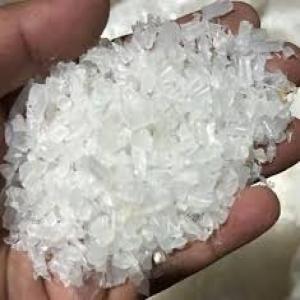
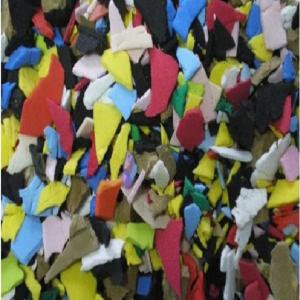
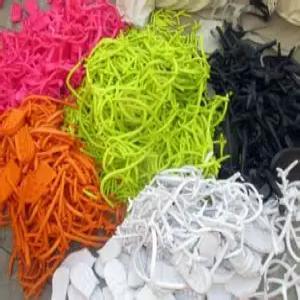
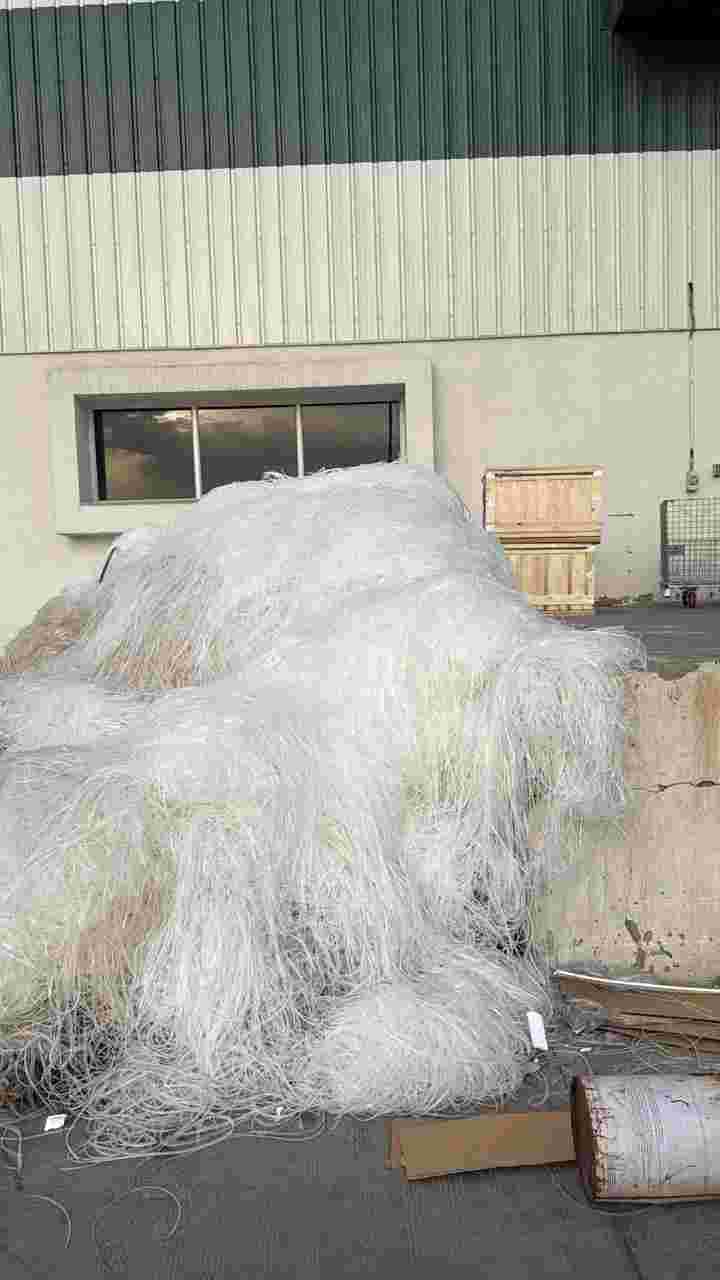
Recycled EVA: Made from leftover or used EVA. You see this in floor mats, gym flooring, utility products, and so on.
As for grades:
Foam Grade: For shoe soles, mats, and anything needing lots of cushioning
Film Grade: Used for packaging, laminates
Injection Molding Grade: For molded goods
Hot Melt Adhesive Grade: In glues and bonding
Solar Encapsulation Grade: For solar panel layers
There are also different grades based on how much vinyl acetate is in the plastic—high VA, low VA, foam, extrusion, adhesive, and medical.
Where does EVA actually show up?
4. How Is EVA Made?
Here's how it works:
To turn the pellets into stuff you use, companies run them through foam molding, injection molding, extrusion, or sheet manufacturing.
Some examples:
EVA itself isn't biodegradable, and that’s a problem. That’s why there’s a move toward bio-based or recycled EVA. The eco-friendly side of EVA mostly shows up in:
One good thing: EVA’s pretty tough, so you don’t have to throw things away as often.
Yes, it’s recyclable. Here’s what happens:
You’ll see recycled EVA in mats, shoe soles, pads, floorings, and other practical stuff. On recycling codes, EVA is “other plastics” (Number 7).
Want to find suppliers or buyers? Try websites like:
Industry fairs and LinkedIn are also useful if you want to network.
India:
Outside India:
EVA’s market is on the rise. Footwear, packaging, sports, solar panels—everywhere you need reliable, lightweight material, EVA comes up.
The hot markets: Asia-Pacific, North America, Europe, the Middle East
Why it’s growing:
Biggest challenges:
What’s EVA like?
Its light feel and cushioning are what people like most.
Pros:
Cons:
Conclusion
EVA is everywhere and for good reason. From sneakers to yoga mats, solar panels to sports gear—if you want comfort and protection, you’ll probably find EVA inside. It’s tough and light, easy to use, and works for all sorts of industries. And as recycling improves, EVA won’t be going anywhere soon.