add_location

Filters


Supplier for TPE in Kamrup

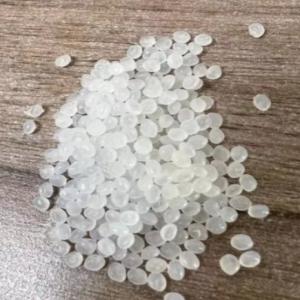
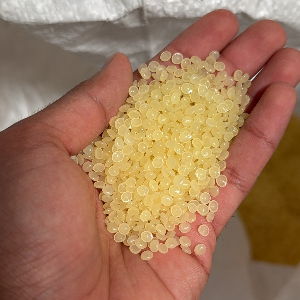
NATURAL THERMOPLASTIC ELASTOMER TPE GRANULES TPE Prime/Virgin Blow Injection Molding Extrusion undefined delhi india Plastic4trade

โ‚น 178

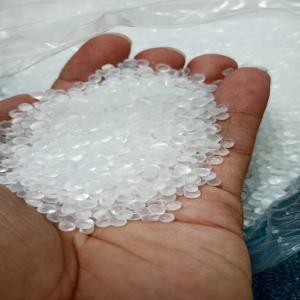
NATURAL THERMOPLASTIC ELASTOMER TPE GRANULES

TPE | Blow, Injection Molding, Extrusion

Delhi, India

ELASTOMER TPE Reprocess Granule Extrusion ahmedabad gujarat india Plastic4trade

โ‚น 72

ELASTOMER

TPE | Extrusion

Gujarat, India

ELASTOMER TPE Reprocess Granule Extrusion ahmedabad gujarat india Plastic4trade

โ‚น 68

ELASTOMER

TPE | Extrusion

Gujarat, India

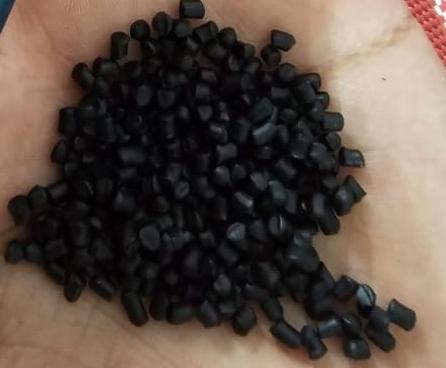
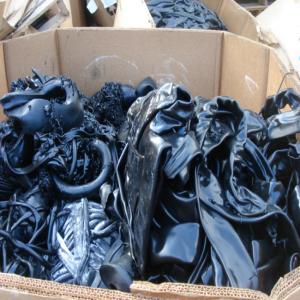
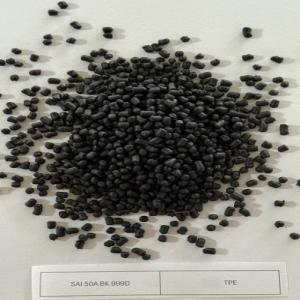
BLACK THERMOPLASTIC ELASTOMER TPE Reprocess Granule Injection Molding valsad gujarat india Plastic4trade

โ‚น 138

BLACK THERMOPLASTIC ELASTOMER

TPE | Injection Molding

Gujarat, India

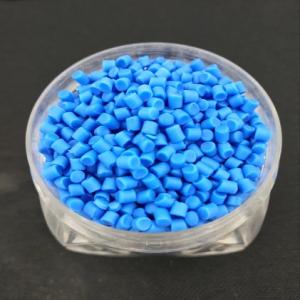
BLUE TPE THERMOPLASTIC ELASTOMER TPE Reprocess Granule Injection Molding valsad gujarat india Plastic4trade

โ‚น 165

BLUE TPE THERMOPLASTIC ELASTOMER

TPE | Injection Molding

Gujarat, India

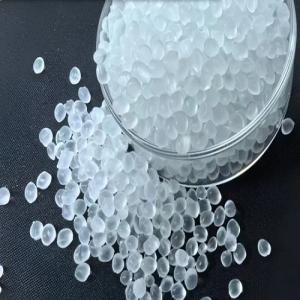
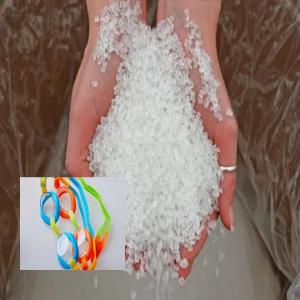
TRANSPARENT THERMOPLASTIC ELASTOMER TPE Reprocess Granule Injection Molding valsad gujarat india Plastic4trade

โ‚น 159

TRANSPARENT THERMOPLASTIC ELASTOMER

TPE | Injection Molding

Gujarat, India

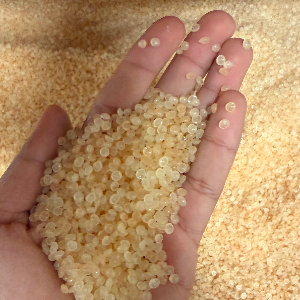
VIRGIN TPE GRANULES TPE Prime/Virgin Injection Molding Extrusion vapi gujarat india Plastic4trade

โ‚น 110

VIRGIN TPE GRANULES

TPE | Injection Molding, Extrusion

Gujarat, India

SOLER CELL TPE Scrap Mix Scrap london england united kingdom Plastic4trade

ยฃ 2

SOLER CELL

TPE | Mix Scrap

England, United Kingdom

Buyer for TPE in Kamrup

THERMOPLASTIC ELASTOMER ENCAPSULATION TPE SHORE A HARDNESS 65 TPE Prime/Virgin Injection Molding chattogram chittagong division bangladesh Plastic4trade

$ 1

THERMOPLASTIC ELASTOMER ENCAPSULATION TPE SHORE A HARDNESS 65

TPE | Injection Molding

Chittagong Division, Bangladesh
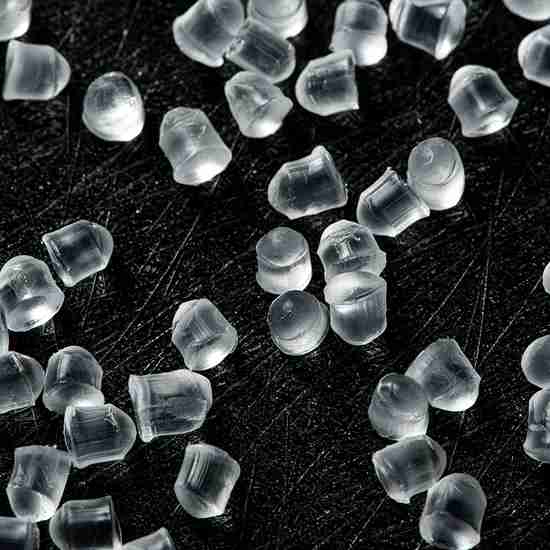
TPE TPE Prime/Virgin Injection Molding meerut uttar pradesh india Plastic4trade

โ‚น 150

TPE

TPE | Injection Molding

Uttar Pradesh, India

TPE SCRAP TPE Scrap Mix Scrap new delhi delhi india Plastic4trade

โ‚น 50

TPE SCRAP

TPE | Mix Scrap

Delhi, India

All About TPE (Thermoplastic Elastomer): Types, Uses, Manufacturing, Market, Recycling, Facts and Information


1. What is TPE? | Full Form and Definition


The abbreviation TPE stands for Thermoplastic Elastomer, a family of polymer materials that combine the elasticity of rubber with the processing advantages of thermoplastics. The Definition of TPE is a flexible polymer that can stretch like rubber while being melted, molded, and recycled like plastic.


TPE materials have become increasingly popular across industries because they provide softness, flexibility, durability, and excellent design versatility. Unlike traditional vulcanized rubber, TPE can be processed using standard plastic manufacturing equipment, making production faster, more efficient, and cost-effective.


Today, TPE is widely used in automotive parts, medical devices, consumer products, footwear, electrical components, packaging, sporting goods, and industrial applications. Its ability to provide comfort, grip, impact resistance, and long-term durability makes it one of the most important elastomer materials in modern manufacturing.


Highlights:


  • Combines rubber flexibility with plastic processability
  • Soft-touch and ergonomic feel
  • Excellent elasticity and resilience
  • Recyclable thermoplastic material
  • Lightweight and durable
  • Suitable for multiple industrial applications


2. TPE Category, Types, and Grades


Categories of TPE


TPE materials are available in several categories, each designed for specific performance requirements.


Styrenic Block Copolymers (TPS)


These are among the most widely used TPE materials and are commonly found in grips, handles, toys, footwear, and consumer goods.


Thermoplastic Polyolefins (TPO)


TPO materials offer excellent weather resistance and are widely used in automotive and construction applications.


Thermoplastic Vulcanizates (TPV)


TPV combines rubber-like elasticity with excellent heat and chemical resistance, making it suitable for automotive sealing systems.


Thermoplastic Polyurethanes (TPU)


TPU-based TPE materials provide exceptional abrasion resistance, flexibility, and transparency.


Copolyester Elastomers (COPE)


COPE materials are used in demanding engineering applications requiring mechanical strength and chemical resistance.


Polyamide Elastomers (PEBA)


PEBA materials offer lightweight performance, flexibility, and excellent low-temperature properties.


Common TPE Grades


  • Injection Molding Grade
  • Extrusion Grade
  • Medical Grade
  • Automotive Grade
  • Food Contact Grade
  • Soft-Touch Grade
  • High-Temperature Grade


3. TPE Uses, Applications, and Products


Automotive Industry


TPE is extensively used in:


  • Door seals
  • Window gaskets
  • Dashboard components
  • Floor mats
  • Interior trims
  • Air duct systems


The automotive sector values TPE for its ability to reduce vehicle weight while maintaining durability and comfort.


Medical Industry


Medical-grade TPE is used in:


  • Medical tubing
  • Catheters
  • Respiratory masks
  • Syringe components
  • Wearable healthcare devices


Its flexibility and compatibility with sterilization make it suitable for healthcare applications.


Consumer Products


TPE can be found in:


  • Toothbrush handles
  • Razor grips
  • Mobile accessories
  • Toys
  • Kitchen utensils
  • Sports equipment


Footwear Industry


TPE is widely used for:


  • Shoe soles
  • Insoles
  • Sandals
  • Sports footwear
  • Safety shoes

Electrical and Electronics


Applications include:


  • Wire insulation
  • Cable jacketing
  • Protective covers
  • Device housings
  • Connector seals


Construction Industry


TPE is used in:


  • Roofing membranes
  • Window seals
  • Waterproofing systems
  • Expansion joints
  • Flexible building components


4. How TPE is Manufactured or Made | Processing Steps


Raw Material Selection


The desired performance parameters guide the selection of base polymers, elastomers, additives, stabilizers, pigments, and fillers.


Compounding


The ingredients are blended using specialized compounding equipment to create a homogeneous material.


Extrusion and Pelletizing


The compound is melted and converted into uniform pellets suitable for industrial processing.


Quality Testing


Manufacturers test:


  • Hardness
  • Tensile strength
  • Elastic recovery
  • Compression set
  • Heat resistance
  • Chemical resistance


Product Manufacturing Methods


  • Injection Molding
  • Extrusion
  • Blow Molding
  • Overmolding
  • Thermoforming
  • 3D Printing


TPE materials can be processed efficiently using standard plastic manufacturing machinery.


5. List of TPE-Made Goods and Finished Products


Product

Application

TPE Shoe Soles

Footwear industry

TPE Medical Tubing

Healthcare sector

TPE Automotive Seals

Automotive industry

TPE Cable Jackets

Electrical systems

TPE Toothbrush Handles

Consumer goods

TPE Phone Covers

Electronics accessories

TPE Sports Equipment

Recreation industry

TPE Industrial Gaskets

Manufacturing sector


6. Sustainable Applications of TPE


While standard TPE is not biodegradable, it contributes to sustainability through recyclability and long product life.


Sustainable TPE Uses


  • Lightweight automotive parts
  • Reusable consumer products
  • Recyclable industrial components
  • Long-life sealing systems
  • Durable footwear materials


Environmental Benefits


Many TPE grades can be reprocessed during manufacturing, reducing production waste and improving material efficiency.


7. TPE Recycling Information


One of the main benefits of TPE is its recyclability.


Recycling Process


  • Collection
  • Sorting
  • Cleaning
  • Grinding
  • Melt Reprocessing
  • Pellet Production
  • Product Manufacturing


Recycled TPE Applications


  • Industrial products
  • Utility items
  • Automotive components
  • Footwear materials
  • Construction products


Recycling Note


Proper separation from other polymers helps maintain the quality and performance of recycled TPE materials.


8. Find TPE Buyers, Suppliers, Manufacturers, Exporters, Importers


Popular B2B Platforms


  • Plastic4trade
  • IndiaMART
  • TradeIndia


Business Development Channels


  • Plastics exhibitions
  • Automotive trade fairs
  • Medical device expos
  • Industrial manufacturing events
  • LinkedIn networking


9. Major TPE Manufacturers


India


  • Avient India
  • Teknor Apex India
  • Specialty TPE compound manufacturers
  • Automotive elastomer suppliers
  • Medical polymer processors


International


  • Kraton Corporation
  • Avient Corporation
  • Teknor Apex
  • Dynasol Group
  • Mitsui Chemicals
  • Asahi Kasei
  • Celanese Corporation


10. TPE Market Analysis


The global TPE market continues to grow because industries increasingly demand lightweight, flexible, recyclable, and high-performance materials.


Major Demand Regions


  • Asia-Pacific
  • Europe
  • North America
  • Middle East


Market Growth Drivers


  • Growth of electric vehicles
  • Expansion of medical device manufacturing
  • Rising demand for soft-touch consumer products
  • Increasing use of recyclable materials
  • Development of lightweight automotive systems


Market Challenges


  • Raw material cost fluctuations
  • Competition from conventional rubber
  • Recycling infrastructure limitations
  • Regulatory requirements in medical applications


11. TPE Properties and Technical Data Sheet Report


Property

Typical Performance

Flexibility

Excellent

Elastic Recovery

High

Soft-Touch Feel

Excellent

Impact Resistance

Good

Abrasion Resistance

Good

Chemical Resistance

Moderate to Good

Recyclability

Excellent

Processability

Excellent


TPE materials are valued because they provide a unique balance between elasticity, durability, comfort, and manufacturing efficiency.


12. Advantages & Disadvantages of TPE


Advantages (Pros)

  •  
  • Rubber-like flexibility
  • Soft and comfortable feel
  • Excellent design versatility
  • Easy processing
  • Recyclable material
  • Good impact resistance
  • Lightweight construction
  • Available in many hardness levels


Disadvantages (Cons)


  • Not naturally biodegradable
  • Some grades have limited heat resistance
  • Higher cost than certain commodity plastics
  • Chemical resistance varies by formulation
  • Performance depends heavily on compound design


Conclusion


Thermoplastic Elastomers (TPE) have become one of the most important material families in modern manufacturing. Their ability to combine the comfort and flexibility of rubber with the efficiency and recyclability of thermoplastics makes them ideal for automotive parts, medical devices, footwear, electronics, consumer products, and industrial applications. As industries increasingly focus on lightweight design, sustainability, and product performance, TPE materials continue to play a vital role in shaping the future of advanced polymer technology and engineering innovation worldwide.


add_circle Add Post